Choosing the best Insulation Material for global buyers in 2026 is not a simple ranking exercise. Climate, building design, installation quality, transport distance, fire performance, moisture resistance, and local standards all influence the final decision. A material that performs well in a cold Canadian warehouse may fail in a humid coastal facility. Context matters.
Building-science expert Joseph Lstiburek states, “The perfect wall is one that has all of the control layers on the exterior of the structure.” His principle remains highly relevant. Effective insulation must work with air, water, vapor, and thermal control layers. Buyers should examine tested thermal conductivity, aging performance, density, compressive strength, and compatible installation systems. Manufacturer claims deserve verification. Independent laboratory reports matter more.
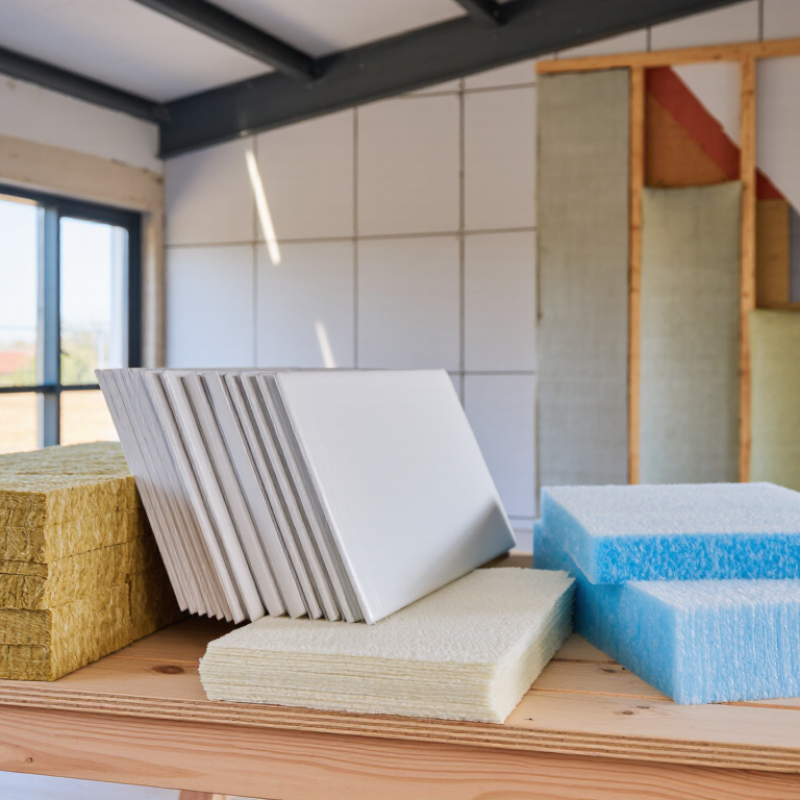
There is no universal winner. Mineral wool offers strong fire resistance and acoustic performance. PIR panels provide high thermal resistance with limited thickness. Cellulose can support lower-impact projects, but moisture management requires care. Aerogel delivers exceptional performance, though its price may restrict wider use. These are practical observations, not perfect conclusions. Supply chains change. Standards differ. Installation errors remain common.
Global buyers should compare whole-life value instead of purchase price alone. Consider energy savings, replacement cycles, worker safety, recycling options, and regional availability. Request technical data before signing contracts. Inspect samples physically. Ask difficult questions. The cheapest Insulation Material may become the most expensive choice after condensation, damage, or premature replacement appears. Reliable decisions come from evidence, local expertise, and honest recognition of uncertainty.
What Is the Best Insulation Material for Global Buyers in 2026?
What is the best insulation material for global buyers in 2026? There is no single answer for every climate, building, or budget. My practical first choice is mineral wool for many commercial and residential projects. It offers strong fire resistance, acoustic control, and stable performance around temperature changes. It also tolerates brief moisture exposure better than some foam products. Context matters most.
Buyers in hot, humid regions should examine water absorption, vapor movement, and mold resistance. In cold climates, continuous insulation can reduce thermal bridges around concrete frames and steel connections. Polyisocyanurate can provide high thermal performance where wall space is limited. Expanded polystyrene may reduce costs, but installation quality and fire protection require careful review. Natural fiber insulation can support lower-impact projects, although moisture detailing must be precise.
A reliable purchasing decision should compare declared thermal conductivity, aging data, density, fire classification, and third-party test reports. Ask for documentation in the destination market’s language. Check performance at the design temperature, not only at laboratory conditions. Do not guess. I have seen excellent materials underperform because gaps remained around windows and service penetrations. Local installers, climate data, transport conditions, and building codes can change the final choice. The “best” material is often the one that remains dry, continuous, and correctly installed for decades.
How Different Insulation Materials Compare by Performance and Cost
For global buyers, insulation choice depends on climate, labor, and building design. Thermal performance is only one part of the decision. The 2024 UNEP Global Status Report states that buildings consume about 32% of global energy and produce nearly 34% of global carbon emissions. Better insulation can reduce heating and cooling demand, but installation quality remains critical.
Mineral wool typically delivers an R-value near 3.0–3.3 per inch, based on U.S. Department of Energy guidance. It offers strong fire resistance and sound control. Expanded polystyrene often reaches about R-3.6–4.2 per inch, with lower material costs in many markets. Extruded polystyrene can approach R-5 per inch, but moisture and environmental concerns require careful specification. Polyisocyanurate may exceed R-6 per inch, saving wall space. Its performance can decline in colder conditions.
Cellulose usually provides around R-3.2–3.8 per inch, according to Building America research. It can use recycled fiber, yet moisture control must be precise. Cost comparisons are difficult. Local labor, transport, thickness, fire ratings, and import duties can change the final price more than the insulation itself. A low-cost board may become expensive after detailing and waste. That is easy to miss. ASHRAE Handbook—Fundamentals recommends evaluating conductivity, aging, moisture, and installation conditions together. For global purchasing, a regional sample wall and site inspection may reveal more than a supplier’s headline R-value.
Which Insulation Material Fits Each Climate and Building Type?
Choosing insulation in 2026 begins with climate, not a product catalogue. In humid tropical regions, closed-cell foam or rigid mineral-based boards can limit moisture movement when joints are sealed correctly. However, installers must manage trapped water and indoor humidity. A rainy coastal wall needs drainage, ventilation, and carefully placed vapor control. Insulation alone cannot repair a wet envelope. Very practical.
In cold climates, dense mineral wool, cellulose, or rigid boards may suit roofs and wall cavities, depending on fire rules and moisture design. Mineral wool handles high temperatures and supports sound control. Cellulose can fill irregular timber cavities, but it needs careful air sealing and moisture protection. For hot, dry regions, reflective assemblies work best with an air gap. Exterior continuous insulation also reduces heat entering concrete walls. Masonry homes benefit from durable boards outside the structure. Timber buildings need materials that fit around services without leaving gaps. On site, small gaps often matter more than impressive laboratory numbers.
Apartments, warehouses, schools, and detached homes require different decisions. High-rise projects may demand noncombustible assemblies and tested fire-stopping at floor edges. Warehouses often prioritize roof heat control and rapid installation. Schools need low-emission materials and reliable acoustic performance. Check declared thermal conductivity, water absorption, fire classification, service life, and installation guidance. Ask for independent test documents. I have seen buyers choose thicker insulation, then lose performance through poor sealing. That mistake is easy to repeat. No design is perfect, especially when site workmanship receives less attention than the specification sheet.
What Global Buyers Should Check Before Choosing Insulation
2026 Best Insulation Material for Global Buyers?
Global buyers should check performance before comparing price. Thermal conductivity matters, but it is not the only decision point. A material that performs well in a dry laboratory may struggle in humid coastal conditions. Ask for tested R-values, service-temperature ranges, and installation tolerances. Confirm whether results reflect the thickness used on your project.
Moisture resistance deserves close attention. Inspect water absorption data, vapor permeability, and the risk of condensation around joints. Fire behavior is equally important. Request classification reports from recognized testing laboratories, not only supplier brochures. Local building codes may require different smoke, flame, or fire-resistance ratings. Check them before placing a deposit. Small errors become expensive after shipment.
Supply conditions can change the practical choice. Review density, compression strength, packaging, shelf life, and container loading limits. A lightweight product may reduce freight costs, while fragile packaging can create hidden waste. Ask whether installers need special tools or protective equipment. Reliable documentation should include technical sheets, safety information, quality records, and batch traceability.
Do not ignore sound control. It may matter in offices, hotels, or industrial rooms. Compare the full installed cost, including labor and maintenance. I have seen buyers focus on conductivity and overlook damaged edges during installation. That assumption needs challenging. Request samples, independent test evidence, and a small trial installation before approving a large international order. The best material on paper may not be the best material for the actual wall, roof, climate, or workforce.
How to Evaluate Safety, Sustainability, and Long-Term Value
2026 Best Insulation Material for Global Buyers?
For global buyers, insulation should be judged beyond its advertised R-value. UNEP’s 2023 Global Status Report states that buildings and construction consumed 34% of global energy demand in 2022. The sector also produced 37% of energy and process-related emissions. These figures make energy performance important, but not sufficient.
A responsible review checks thermal conductivity, fire classification, moisture resistance, and service life. Request third-party test reports, not only product brochures.
An Environmental Product Declaration can reveal embodied carbon, recycled content, and manufacturing impacts.
The IEA’s Energy Efficiency 2023 report identifies buildings as responsible for roughly 30% of global final energy consumption. Poor installation can erase much of the expected saving. Small gaps matter. Thermal bridges deserve careful inspection.
Safety must remain measurable.
Check smoke development, reaction-to-fire results, VOC emissions, and compatibility with nearby materials. Local building codes differ, so one test certificate may not satisfy every market. That is easy to overlook.
For sustainability, compare the full life cycle, including transport, replacement, and end-of-life recovery. Lower upfront cost can become expensive when moisture causes repairs. Yet recycled content is not automatically better if performance falls or contamination complicates recovery. This is where buyer judgment remains imperfect. A transparent data sheet, verified testing, and realistic installation guidance provide stronger long-term value than a single impressive laboratory number.
FAQS
Closed-cell foam or rigid mineral-based boards can reduce moisture movement. Seal every joint carefully. Insulation cannot fix a leaking wall.
Dense mineral wool, cellulose, or rigid boards may fit cold roofs and walls. Cellulose fills irregular timber cavities well. Air sealing remains essential.
Use reflective assemblies with a deliberate air gap. Exterior continuous insulation can reduce heat entering concrete walls. Details matter.
Masonry homes often benefit from durable exterior boards. Timber buildings need flexible materials around pipes and electrical services. Small gaps can defeat thick insulation.
High-rise buildings may need noncombustible assemblies and tested fire-stopping. Warehouses often prioritize roof heat control. Schools need low-emission materials and dependable acoustic performance.
Request independent tests for thermal conductivity, water absorption, fire classification, and service life. Check installation guidance too. Brochures are not enough.
Review smoke development, fire reaction, VOC emissions, recycled content, and embodied carbon. Compare transport, replacement, and end-of-life impacts. No single metric is perfect.
No. Poor sealing and thermal bridges can erase expected savings. I would inspect joints, corners, and floor edges before trusting laboratory numbers.
Conclusion
Choosing the best Insulation Material for global buyers in 2026 requires balancing thermal performance, cost, durability, installation requirements, and regional availability. Fiberglass, mineral wool, foam boards, spray foam, cellulose, and natural fiber options each offer different advantages. The right choice depends on climate, building type, moisture exposure, fire-safety needs, energy goals, and the project’s budget. Cold regions may prioritize high thermal resistance and airtightness, while hot or humid areas may need stronger moisture control and reflective performance.
Before purchasing, buyers should verify product specifications, testing standards, certifications, environmental impact, and compatibility with local construction practices. Safety considerations should include fire behavior, indoor air quality, handling requirements, and long-term stability. Sustainability should be evaluated through recycled content, renewable resources, manufacturing impact, service life, and disposal options. By comparing total ownership costs rather than only the initial price, global buyers can select an Insulation Material that delivers reliable energy savings, occupant comfort, compliance, and long-term value.

 JUTAO NEW MATERIAL