In today's rapidly evolving material science landscape, "Flexible Aerogel" stands out as a revolutionary solution tailored for diverse applications. Dr. Emily Zhang, a leading expert in advanced materials, once stated, "Flexible Aerogel reshapes our understanding of insulation and lightweight structures." This highlights the material's potential to transform industries by offering remarkable thermal resistance and weight reduction.
Flexible Aerogel combines incredible properties with practical uses. It is soft, lightweight, and maintains its structure under stress. Many industries are adopting this material, from aerospace to construction. Its unique composition allows for high performance without compromising flexibility. This dual capability is essential for modern designs but still raises questions about long-term durability in various environments.
However, it's crucial to approach this innovation critically. While Flexible Aerogel shows promise, its production methods and scalability need attention. Not all applications may benefit equally from its properties. As industries forge ahead, reflecting on challenges and real-world performance will determine the optimal integration of Flexible Aerogel into existing practices.
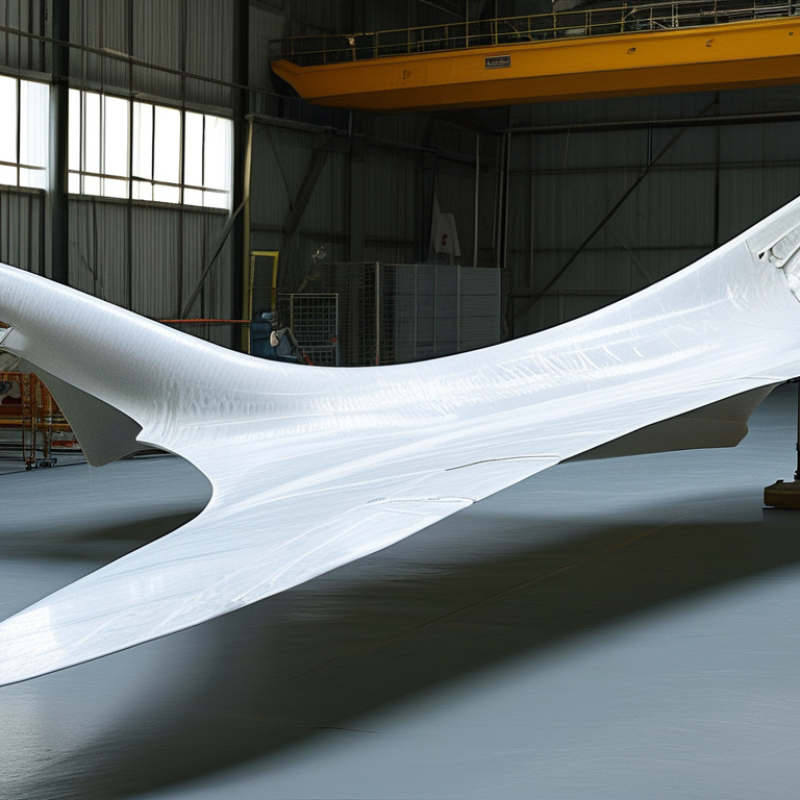
Aerogel is a remarkable material known for its low density and high thermal insulation properties. It is made through a process that involves the gel phase of a liquid being replaced with gas, resulting in a lightweight solid. This unique structure gives aerogel its characteristic sponge-like appearance, allowing it to be flexible while maintaining strength. Scientists often highlight its innovative applications in industries like aerospace, construction, and even clothing.
When working with aerogel, it’s important to ensure your application suits its properties. Here are a couple of tips:
- Consider the environment: High moisture levels can affect aerogel’s performance. Use it in dry conditions to maximize its benefits.
- Test before use: Aerogel types vary. Conduct small-scale tests to determine how different flexibility levels may work for your specific needs.
In addition to its strength and insulation, aerogel is increasingly used in energy-efficient building designs. Its adaptability makes it a favorite among architects and engineers. However, it can be costly, and sourcing the right kind might require local research. This reflects the ongoing evolution of material science and the accompanying challenges in finding the perfect fit for any project.
Flexible aerogel is making waves in various industries due to its unique properties. This lightweight material boasts a low density and exceptional thermal insulation capabilities. Research shows that flexible aerogel can reduce thermal conductivity by up to 90%, making it ideal for energy-efficient applications. It's an excellent choice for construction and aerospace, providing effective insulation with a minimal weight burden.
In addition to excellent thermal properties, flexible aerogel has notable sound absorption capabilities. Studies indicate that it can reduce sound transmission by 40-50%. This makes it suitable for noise mitigation in urban environments and industrial settings. However, despite these incredible benefits, the production process can be costly and complex, often requiring specialized techniques. Companies must weigh these factors when considering implementation.
Flexibility is another standout characteristic. Aerogel retains its structural integrity under deformation, which is crucial in applications ranging from flexible electronics to wearable technology. Yet, the balance between flexibility and durability still needs further exploration. There is a need for continuous research to develop production methods that are not only efficient but also sustainable, ensuring the future of flexible aerogel remains bright while addressing ongoing limitations.
Flexible aerogel is gaining attention as a cutting-edge material in thermal insulation applications. Its unique structure, comprising up to 95% air, allows it to provide superior insulation performance. Studies estimate that aerogels can reduce heat loss by up to 50% compared to traditional insulating materials. This makes them particularly beneficial for energy-efficient building designs.
One notable advantage of flexible aerogel is its lightweight nature. Weighing only a fraction of comparable insulation products, it eases transportation and installation. In various industries, from construction to aerospace, this characteristic has proven essential. Some reports indicate that this lightweight property can improve overall structural energy efficiency by 30%. Moreover, the flexibility of the aerogel enhances adaptability to irregular surfaces, ensuring complete coverage without compromising performance.
However, considerations remain regarding cost and availability. While flexible aerogels offer remarkable insulating properties, they can be more expensive than conventional materials. The manufacturing process also requires careful attention to ensure quality. Ongoing research aims to optimize production methods and reduce costs without sacrificing effectiveness. Evaluating the balance between performance and expense is essential for widespread adoption.
Flexible aerogel is garnering attention for its environmental benefits. This innovative material is lightweight and highly versatile, making it suitable for various applications. One striking advantage is its low thermal conductivity, which can lead to energy savings in buildings. However, it’s essential to consider the lifecycle of materials used to produce flexible aerogel.
The environmental impact of flexible aerogel can be both positive and negative. On one hand, it often contains sustainable components, reducing its carbon footprint. On the other hand, the production process can be energy-intensive. It's crucial to assess the origins of the materials and the manufacturing methods involved.
Tip: Always look for products made from renewable resources. This not only supports sustainable practices but also enhances the benefits of flexible aerogel.
Adopting flexible aerogel into your projects can be beneficial, yet critical thinking is necessary. Understand where the materials come from. Analyze the overall impact on the environment to make informed choices.
Tip: Research local production options for a smaller carbon footprint. This can simplify the logistics and support the local economy. The balance between innovation and sustainability requires continuous reflection and action.
| Benefit | Description | Environmental Impact | Applications |
|---|---|---|---|
| Lightweight | Flexible aerogels are much lighter than traditional materials, reducing transportation and handling costs. | Lower energy consumption during shipping and reduced carbon footprint. | Insulation, packaging, and automotive applications. |
| Thermal Insulation | Offers superior thermal resistance, outperforming conventional insulation materials. | Energy savings in heating and cooling, contributing to lower emissions. | Building materials, refrigeration, and aerospace. |
| Eco-friendly | Made from silica or biodegradable materials, minimizing environmental impact. | Reduced waste and harmful emissions during production and disposal. | Green building and sustainable development. |
| Versatile | Can be engineered for various properties, including flexibility and porosity. | Adaptable to multiple use cases, supporting circular economy practices. | Various industries including consumer products, energy sector, and construction. |
| Sound Absorption | Efficient at blocking and absorbing sound, improving noise reduction in environments. | Contributes to healthier work and living spaces by reducing noise pollution. | Acoustic panels, automotive, and construction. |
Aerogel technology is witnessing rapid advancements that cater to various industries. Recent research indicates that the global aerogel market is expected to reach $4.4 billion by 2026, growing at a compound annual growth rate (CAGR) of 22.8%. This growth highlights the increasing demand for flexible aerogels, which offer unique structural properties. The lightweight nature of aerogels makes them ideal for applications in thermal insulation, oil and gas, and even aerospace.
Flexibility in aerogels is a game changer. Traditional aerogels are often brittle, limiting their usability. However, innovations in formulation have led to the creation of flexible variants. These materials can withstand mechanical stress without compromising their insulating properties. For instance, studies show that flexible aerogels maintain up to 90% of their thermal insulation capacity even when subjected to deformation. This opens doors for applications in wearable technology and advanced construction materials.
Despite the promising developments, challenges remain. Manufacturing costs for flexible aerogels continue to be high, and scaling production can be problematic. There is also a need for more research to understand the long-term durability of these materials. Industry experts argue that continued investment in aerogel technology could bridge these gaps, leading to more accessible and sustainable solutions in the near future.
: Aerogel is a lightweight solid known for low density and high thermal insulation properties.
It is made by replacing the liquid phase of a gel with gas, forming a solid structure.
It is used in aerospace, construction, and clothing for its unique insulating qualities.
High moisture levels can negatively impact aerogel’s performance and effectiveness.
Test different types of aerogel on a small scale to determine the best flexibility for your project.
Its structure, containing up to 95% air, allows for excellent thermal insulation and reduces heat loss significantly.
Yes, it is lightweight compared to traditional insulation, making transportation and installation simpler.
Yes, aerogel can be costly and sourcing the right type might require research and effort.
The manufacturing process needs careful attention and can be more expensive than conventional materials.
It aims to optimize production methods, reduce costs, and improve the balance between performance and expense.
Flexible Aerogel is an innovative material known for its lightweight and highly insulating properties, making it suitable for a wide range of applications. Understanding its production process reveals how it combines silica with other polymers, resulting in a durable yet flexible substance. The unique characteristics of Flexible Aerogel, such as its low thermal conductivity and high surface area, position it as an ideal solution for thermal insulation in various industries, from construction to aerospace.
Moreover, the environmental impact of Flexible Aerogel is positive, as it can contribute to energy efficiency and reducing carbon footprints. With ongoing research and development, the future of aerogel technology promises even more advancements, possibly leading to enhanced performance and new applications. Embracing Flexible Aerogel can open up possibilities for sustainable solutions tailored to modern needs.

JUTAO NEW MATERIAL