What is the Best Aerogel Blanket for Industrial Use?

Time:2026-07-19 Author:Charlotte
0%

Aerogel blankets are revolutionizing industrial insulation. These advanced materials provide exceptional thermal resistance while being lightweight. Industries increasingly rely on aerogel blankets for effective energy conservation and safety.

Choosing the best aerogel blanket requires understanding specific needs. Different applications demand varying thicknesses and densities. Some aerogels excel in high-temperature settings, while others offer flexibility and ease of installation.

Companies need reliable information when selecting aerogel blankets. Not all manufacturers adhere to stringent quality standards. Users may encounter inconsistent performance. Therefore, thorough research and expert reviews are essential in making informed decisions.
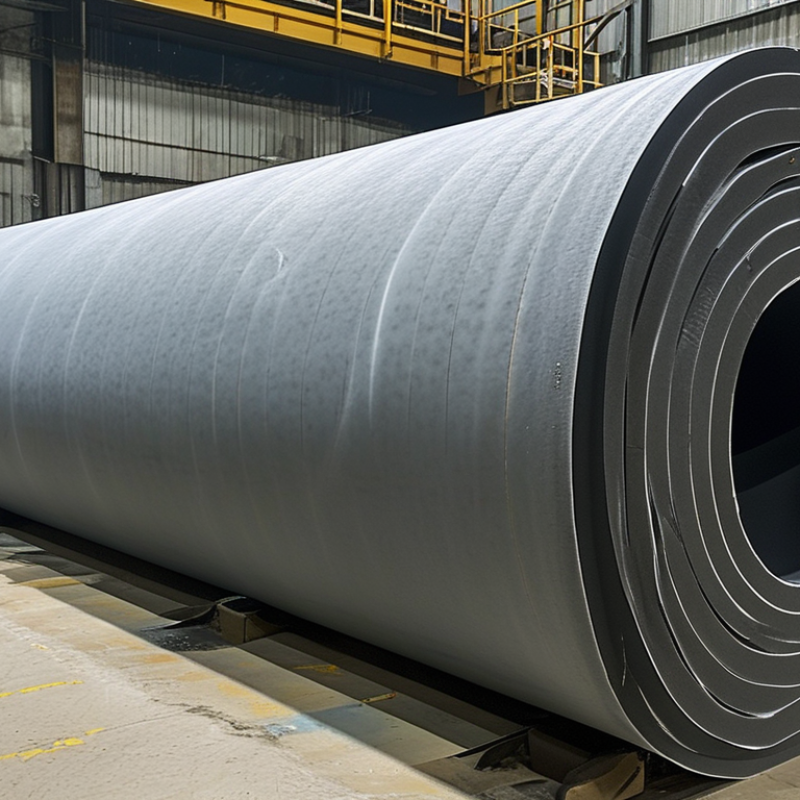
What is the Best Aerogel Blanket for Industrial Use?

Choosing the Right Aerogel Blanket for Industrial Applications

Choosing the right aerogel blanket for industrial applications can significantly impact operational efficiency. Aerogel blankets are known for their superior thermal insulation properties. Studies show they can reduce thermal conductivity to values as low as 0.013 W/m·K. This makes them a prime choice for industries that require precise temperature control, such as aerospace and energy.

When selecting an aerogel blanket, consider the application temperature range. Many blankets operate effectively at temperatures exceeding 650°C. This versatility can enhance their utility in environments with fluctuating temperatures. Furthermore, the lightweight nature of these blankets can reduce overall system weight while improving energy efficiency. However, the initial cost can be a consideration. Aerogel blankets may be more expensive upfront compared to other insulation materials, but the long-term benefits can outweigh the expense.

Another critical facet is the ease of installation. Some aerogel blankets come with flexible designs that simplify handling. Yet, improper installation can lead to thermal bridging, diminishing the insulation’s effectiveness. Users must invest in proper training to avoid these pitfalls. Misestimations in required thickness can also compromise performance. Regular audits of insulation integrity can help identify such issues before they escalate.

Key Properties of Aerogel Blankets to Consider for Industries

Aerogel blankets are gaining attention in industrial applications due to their superior insulation properties. When selecting an aerogel blanket, several key characteristics are crucial. Thermal conductivity is often the primary consideration. A lower value indicates better heat retention, which translates into energy savings. Most industrial environments require materials that can withstand high temperatures, so high thermal resistance is essential.

Another critical property is weight. Aerogel blankets are significantly lighter than traditional insulation materials. This lightweight nature allows for easier handling and installation, reducing labor costs. Additionally, moisture resistance is vital. Aerogels can absorb water vapor, which compromises their effectiveness. Effective moisture barriers prevent this issue, ensuring consistent performance in various environments.

Durability also cannot be overlooked. Aerogel blankets should resist physical wear and tear. In fluctuating industrial conditions, the ability to maintain structural integrity is crucial. While these materials are beneficial, they can be costly. Industries must weigh the investment against long-term energy savings. It’s essential to reassess options periodically, ensuring efficiency and cost-effectiveness remain aligned with evolving needs.

Comparative Analysis of Top Aerogel Blanket Brands for Industries

When selecting an aerogel blanket for industrial use, several brands stand out. These blankets are known for their exceptional thermal insulation properties. A recent industry report indicated that aerogel materials can have thermal conductivity as low as 0.013 W/m·K. This makes them nearly three times more effective than traditional insulation materials.

Comparing different brands reveals significant differences in performance and price. Many manufacturers test their products rigorously, which is essential. Some emphasize sustainability in their production processes, while others focus solely on performance metrics. However, data from various studies suggest that while price can be an indicator of quality, it is not always reliable. For instance, a cheaper product may not meet crucial safety standards, potentially jeopardizing industrial applications.

The versatility of aerogel blankets is notable. They are used in industries ranging from aerospace to construction. Yet, there are challenges in terms of durability and handling. Some aerogel products are more fragile and can be damaged easily. This fragility raises questions about their long-term viability in demanding industrial environments. Overall, making an informed choice requires careful consideration of both performance data and suitability for specific applications.

Cost-Effectiveness of Aerogel Blankets in Industrial Settings

Aerogel blankets are gaining traction in industrial settings due to their unique thermal properties. They offer excellent insulation, which can lead to significant energy savings. Industries that require temperature control can benefit enormously from these materials. However, cost-effectiveness varies based on specific applications and usage duration.

One important aspect of aerogel blankets is their initial cost. While they may seem expensive upfront, the long-term energy savings can outweigh these costs. Facilities that use aerogel blankets often notice reduced heating and cooling expenses. This translates to lower operational costs over time. Yet, many industries hesitate to invest due to budget constraints. Cost analysis is critical for justifying the purchase.

Another factor to consider is durability. Aerogel blankets can withstand harsh conditions, extending their lifespan. However, some users report performance degradation over time. Regular inspections can help address any issues early on. Overall, while aerogel blankets present exciting advantages, evaluating their cost-effectiveness remains a complex task for many industries.

Cost-Effectiveness of Aerogel Blankets in Industrial Settings

This chart represents the cost-effectiveness of various insulation materials used in industrial settings. The data focuses on the thermal resistance (R-value) and cost per square meter of several insulation types.

Future Trends and Innovations in Aerogel Blanket Technology

Aerogel blankets are gaining traction in industrial applications. They offer exceptional thermal insulation, lightweight properties, and environmental resistance. Recent advancements focus on enhancing these features. Researchers experiment with new materials to improve performance and reduce costs.

In the future, the integration of smart technologies into aerogel blankets may become commonplace. For instance, sensors might monitor temperature and stress levels. This innovation could ensure optimal performance, allowing for real-time adjustments. Collaboration between industries can also lead to sustainable practices in production, reducing waste and energy consumption.

Challenges persist in the aerogel industry. While the technology is promising, scalability remains an issue. Producing large quantities of aerogel without compromising quality is daunting. Continuous research is essential to address these hurdles. The next few years hold potential for breakthroughs. As demand grows, so does the opportunity for innovation in aerogel blanket technology.

What is the Best Aerogel Blanket for Industrial Use? - Future Trends and Innovations in Aerogel Blanket Technology

Property Aerogel Blanket A Aerogel Blanket B Aerogel Blanket C
Thermal Conductivity (W/m·K) 0.013 0.016 0.018
Thickness (mm) 10 15 20
Maximum Temperature (°C) 650 800 1000
Weight (kg/m²) 0.5 0.6 0.7
Flexibility High Medium Low
Water Resistance Excellent Good Fair

FAQS

: What are aerogel blankets?

: Aerogel blankets are lightweight materials with excellent thermal insulation properties.

How do aerogel blankets save energy?

They provide exceptional insulation, leading to lower heating and cooling costs.

Are aerogel blankets expensive?

They have a high initial cost, but long-term savings can justify the investment.

What industries benefit from aerogel blankets?

Industries requiring temperature control can benefit significantly from these blankets.

How durable are aerogel blankets?

They can withstand harsh conditions, yet some users report performance degradation over time.

What future trends are expected for aerogel blankets?

Innovations may include smart technologies that monitor performance and adjust conditions in real-time.

Why might industries hesitate to use aerogel blankets?

Budget constraints and uncertainty about long-term cost-effectiveness often deter investments.

What challenges face aerogel blanket production?

Scalability and maintaining quality during mass production continue to be significant issues.

How can users ensure aerogel blankets perform well over time?

Regular inspections and maintenance can help detect and address performance issues early on.

What is essential for the future of aerogel technology?

Continuous research is crucial to overcome existing challenges and enhance aerogel features.

Conclusion

The article "What is the Best Aerogel Blanket for Industrial Use?" explores the essential aspects of selecting the ideal Aerogel Blanket for various industrial applications. It highlights the key properties to consider, such as thermal insulation, lightweight nature, and mechanical strength, which play a significant role in determining the right choice based on specific industry needs. A comparative analysis of leading Aerogel Blanket options provides insights into their performance and suitability for different sectors.

Additionally, the article examines the cost-effectiveness of Aerogel Blankets, emphasizing their long-term benefits despite initial investment costs. It also discusses future trends and innovations in Aerogel Blanket technology, indicating a promising evolution that could enhance efficiency and functionality in industrial settings. Overall, Aerogel Blankets represent a crucial solution for industries seeking advanced insulation materials.


Charlotte

Charlotte

Charlotte is a seasoned marketing professional with a deep understanding of the company's portfolio and a passion for elevating its presence in the market. With a keen eye for detail and a commitment to excellence, she ensures that our professional blog is regularly updated with insightful articles......