In recent years, the demand for energy-efficient building materials has surged. Among these, Aerogel Insulation Panels have gained significant attention. These panels are known for their exceptional thermal performance and lightweight nature. According to the 2022 Energy Efficiency Report, buildings insulated with aerogel can reduce energy consumption by up to 30%.
Expert Dr. Emily Chen, a prominent figure in insulation technology, emphasizes the importance of selection: "The right aerogel panels can transform energy efficiency in construction." Her insight reflects the growing recognition of aerogel's potential.
When choosing Aerogel Insulation Panels, factors like thickness, R-value, and moisture resistance come into play. Though promising, the cost can be a barrier. Many consumers may hesitate due to the initial investment. Understanding the long-term savings on energy bills can provide clarity. With the right information, making an informed choice will be easier.
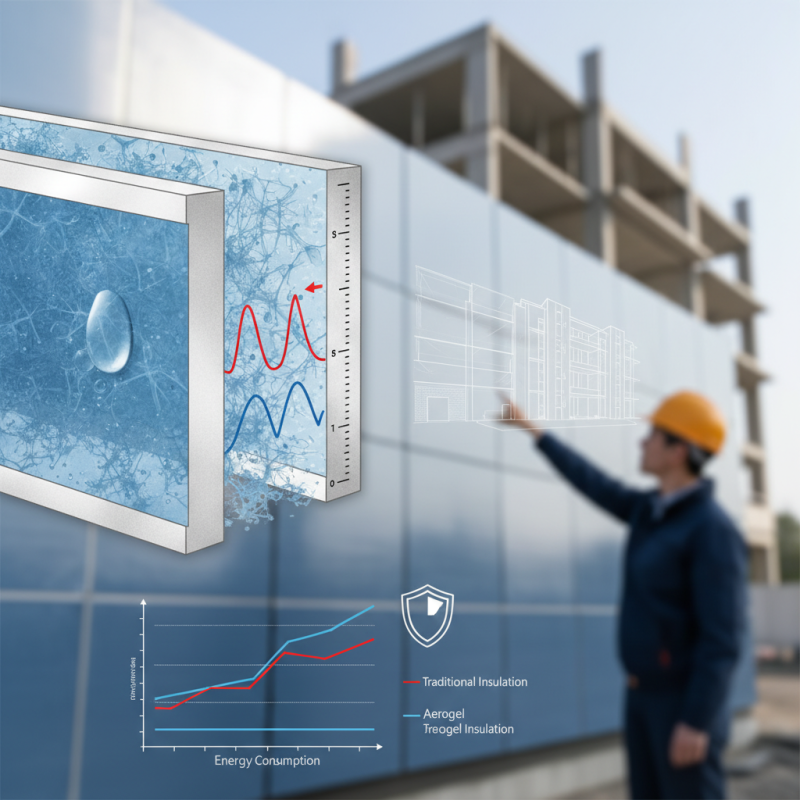
Understanding Aerogel Insulation Panels and Their Benefits
Aerogel insulation panels have gained recognition for their outstanding thermal performance. These panels are lightweight and have a low thermal conductivity, making them an ideal choice for energy efficiency. Their structure traps air, which acts as an excellent insulator. This feature helps in maintaining stable indoor temperatures.
Choosing the right aerogel insulation involves considering various factors. Thickness and density are crucial in determining effectiveness. Thicker panels may offer better insulation, but space constraints can limit options. Understanding the specific application is vital. For instance, different environments may require varying levels of insulation.
Despite their benefits, aerogel panels can be more expensive than traditional materials. The cost may deter some homeowners from making the switch. It's important to weigh this investment against long-term energy savings. Lastly, installation quality matters significantly. Poor installation can undermine the panels' benefits. Careful consideration is necessary when selecting aerogel insulation for your project.
Evaluating Energy Efficiency in Building Materials
When considering energy efficiency in building materials, aerogel insulation panels stand out. These panels are lightweight and possess exceptional thermal insulation properties. Studies indicate that aerogel can reduce heat transfer by up to 90% compared to traditional insulation materials. This significant reduction can lead to substantial energy savings in buildings, optimizing heating and cooling costs.
Tip: Always check the thermal conductivity (R-value) of insulation panels. A higher R-value indicates better energy efficiency. Look for panels with a low thermal conductivity rate, preferably below 0.020 W/mK.
Furthermore, aerogel materials are environmentally friendly. They are often made from silica, a natural resource. One report highlights that using aerogel can decrease a building's carbon footprint by up to 30% over its lifespan. This shift toward sustainable materials aligns with global energy efficiency goals.
Tip: Assess the long-term benefits of insulation. While initial costs may be higher, the energy savings over time can justify the investment. Balancing upfront costs with future savings is crucial in making informed decisions.
Key Factors in Choosing Aerogel Insulation for Your Project
Choosing aerogel insulation panels for energy efficiency requires thoughtful consideration of several key factors. Before making your decision, assess the thermal performance of the aerogel. Look for its R-value, which indicates its insulating capacity. Higher R-values suggest better efficiency in maintaining temperature, resulting in lower energy bills.
Consider the physical properties of the aerogel panels. Their lightweight nature makes installation easier, reducing labor costs. However, check the compressive strength as well. Some panels, while lightweight, may not withstand heavy loads effectively. Another aspect to reflect on is moisture management. Poor moisture control can lead to mold growth, undermining the integrity of your insulation.
Choose a panel that matches your specific project needs. Each building has unique challenges, like local climate and architectural design. Conduct thorough research and seek expert advice if needed. Understanding these factors will enhance your project’s energy efficiency and longevity.
2026 How to Choose Aerogel Insulation Panels for Energy Efficiency?
| Key Factors |
Description |
Importance Level |
Typical Value Range |
| Thermal Conductivity |
The measure of a material's ability to conduct heat. |
High |
0.013 - 0.020 W/m·K |
| Compressive Strength |
The capacity of a material to withstand axial loads. |
Medium |
80 - 100 kPa |
| Moisture Resistance |
The ability to repel water and prevent absorption. |
High |
> 95% RH |
| Weight |
The heaviness of the insulation material per unit area. |
Medium |
1 - 3 kg/m² |
| Fire Resistance |
The capability to withstand fire and prevent spreading. |
High |
Up to Class A |
Comparing Aerogel Insulation Panels to Traditional Materials
When choosing insulation, aerogel panels stand out. They are notably lighter and thinner than traditional materials. This unique property allows for more space in walls and ceilings. Aerogel's high thermal performance means it can effectively reduce heat loss. This is crucial for energy efficiency in modern buildings.
Comparing aerogel insulation to fiberglass or foam reveals significant differences. Traditional materials often need more thickness to achieve similar thermal resistance. This can lead to bulkier structures. The effectiveness of aerogel, however, may depend on installation. Improperly placed panels can compromise their performance. Users must ensure proper sealing and fitting to maximize benefits.
Cost is another point for consideration. Aerogel insulation panels may initially be more expensive. Over time, their energy-saving capabilities could offset this cost. It's important to reflect on the long-term value of any insulation choice. The decision should factor in climate, building design, and budget constraints.
Installation and Maintenance Tips for Optimal Performance
When installing aerogel insulation panels, proper technique is crucial for performance. Research indicates that improperly installed panels can reduce energy efficiency by up to 40%. Ensuring a tight fit prevents air leaks, which significantly hampers insulation effectiveness. Follow the manufacturer's guidelines meticulously to avoid common pitfalls, like using incompatible sealants that could compromise the aerogel's unique properties.
Regular maintenance is essential for optimal performance. Clean the surface of panels periodically to remove dust and debris. This simple act can enhance their insulating ability. Inspect joints and seams for any signs of wear or damage. Early detection can prevent costly repairs later. Data from energy experts suggests that maintaining your insulation can improve efficiencies by up to 10%.
Here are some tips: ensure that the panels are stored in a dry place before installation. Avoid exposing them to direct sunlight for extended periods. Also, consider using reflective barriers to boost thermal performance. Taking these steps can significantly impact the longevity and effectiveness of your aerogel insulation panels.
FAQS
: They are lightweight and offer exceptional thermal insulation properties. They reduce heat transfer significantly compared to traditional materials.
Studies show a reduction of up to 90% in heat transfer. This can lead to substantial energy savings.
Always check the thermal conductivity or R-value. Higher R-values indicate better energy efficiency.
They can decrease a building's carbon footprint by up to 30% over its lifespan. They are made from natural resources.
Initial costs can be high, but energy savings over time may justify the investment. Balance upfront costs with future benefits.
Research shows that poorly installed panels can reduce efficiency by up to 40%. A tight fit is essential to prevent air leaks.
Clean the panels regularly and check for wear. This can improve energy efficiency by up to 10%.
Avoid using incompatible sealants. They can compromise aerogel's unique properties and reduce effectiveness.
Use reflective barriers and store panels in a dry place. Avoid prolonged exposure to sunlight before installation.
Not following manufacturer’s guidelines can lead to many issues. Ensure correct installation technique to maximize energy efficiency.
Conclusion
Aerogel insulation panels are revolutionary materials that provide outstanding thermal performance and energy efficiency for modern building projects. Understanding their benefits is crucial, as these panels significantly reduce heat transfer, resulting in lower energy consumption and reduced utility costs. In evaluating energy efficiency, it is essential to consider the thermal conductivity and durability of various building materials.
When choosing aerogel insulation panels for your project, key factors include the specific insulation needs, environmental conditions, and the panel's specifications. Comparing aerogel panels to traditional insulation materials often reveals superior performance in terms of space-saving and thermal benefits. For optimal results, proper installation and maintenance are vital; ensuring that these panels are correctly installed can enhance their efficiency and lifespan, ultimately contributing to a more sustainable and energy-efficient building.

 JUTAO NEW MATERIAL