Aerogel insulation stands out as a revolutionary material in the construction and energy efficiency industries. Known for its remarkable thermal resistance, aerogel insulation can achieve a thermal conductivity as low as 0.014 W/mK, making it one of the best insulating materials available today. A recent report by the International Energy Agency highlighted that using aerogel can improve energy efficiency in buildings by over 40%.
Dr. Emily D. Carter, a leading expert in materials science, emphasizes the importance of proper selection: "Choosing the right aerogel insulation can drastically transform any project’s thermal performance." However, the options are myriad, and understanding the characteristics of each aerogel type is crucial. There is a need to refine choices based on specific project requirements, including cost, application, and environmental tolerance.
Many manufacturers promise high performance, but not all aerogels are created equal. Misleading claims can lead consumers astray. Evaluating the thermal and mechanical properties of aerogel insulation is vital for achieving optimal results. In a rapidly evolving industry, remaining informed is essential for making impactful insulation choices.
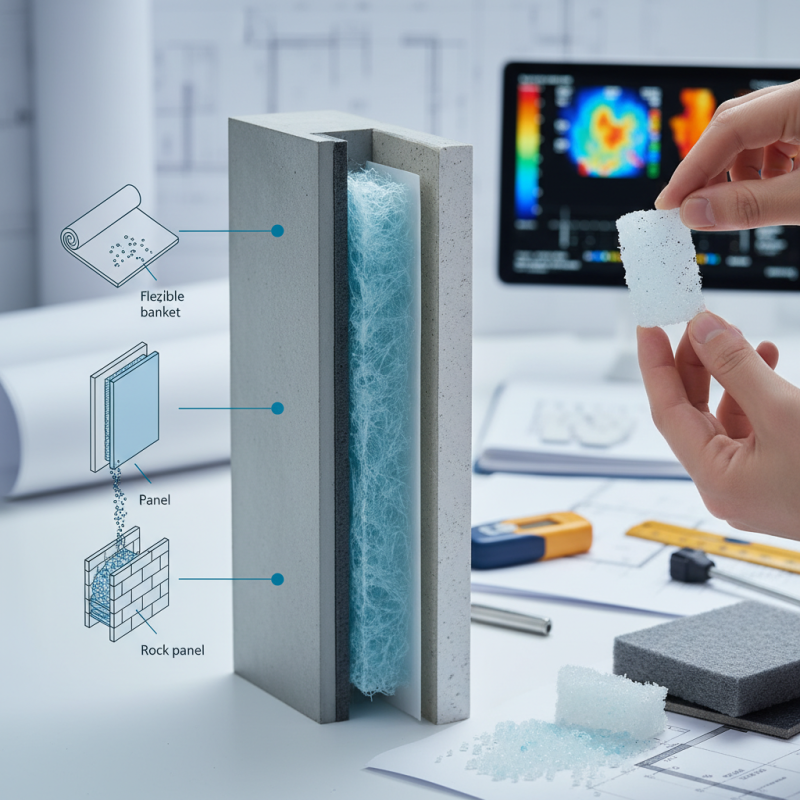
Aerogel insulation comes in various types, each suitable for different applications. Silica aerogel is common in buildings. It offers excellent thermal resistance. This type can be used for insulating roofs and walls. Its light weight and low thermal conductivity make it a preferred choice. However, it can be expensive and fragile.
Polymer aerogel, on the other hand, provides flexibility. It’s often used in clothing and outdoor gear. This type has good insulating properties while remaining durable. It can bend and twist without breaking. Yet, it may not perform as well at extremely high temperatures.
Finally, carbon aerogel is a less common but high-performance option. It excels in high-temperature environments. Its ability to withstand heat makes it ideal for aerospace applications. However, its high cost may limit accessibility for everyday consumers. Each aerogel type has benefits and drawbacks. Understanding these nuances helps in making informed choices.
| Type of Aerogel Insulation | Applications | Thermal Conductivity (W/m·K) | Thickness (inches) | Fire Resistance |
|---|---|---|---|---|
| Silica Aerogel | Building Insulation, HVAC Systems | 0.013 | 0.5 - 2 | Yes |
| Polymer Aerogel | Aerospace, Automotive | 0.020 | 0.25 - 1.5 | Yes |
| Carbon Aerogel | Electronics, Energy Storage | 0.018 | 0.75 - 3 | No |
| Organic Aerogel | Insulation Panels, Pipe Insulation | 0.015 | 0.5 - 2.5 | Yes |
When selecting aerogel insulation, consider the thermal conductivity. Aerogels typically have low thermal conductivity, often around 0.013 to 0.020 W/m·K. This property ensures efficient insulation, minimizing heat transfer. For instance, in building applications, a study by the American Society of Civil Engineers highlights aerogel's effectiveness in reducing energy consumption by up to 30%.
Another crucial factor is the weight of the aerogel. Aerogels are incredibly lightweight, making installation easier. Many products weigh about 3 kg/m² or less. However, be aware that lower weight can sometimes mean reduced mechanical strength. It's essential to balance weight and durability based on your specific needs. Conducting field tests can provide insights into performance under different conditions.
Finally, consider the environmental impact. Some aerogels have a longer life cycle and can withstand extreme temperatures. Research indicates that these materials can endure temperatures ranging from -200°C to over 600°C. However, not all aerogels are created equal. Evaluating the production process and the sustainability of materials used is crucial. Understanding these aspects can guide you to make an informed choice that aligns with both performance and ecological responsibility.
Aerogel insulation stands out significantly when compared to traditional materials such as fiberglass and foam. According to a report by the U.S. Department of Energy, aerogel offers a thermal conductivity as low as 0.013 W/m·K. This makes it one of the best insulating materials available. In contrast, fiberglass insulation typically ranges from 0.035 to 0.045 W/m·K. Thus, aerogel can be more effective in maintaining energy efficiency in buildings.
Moreover, the lightweight nature of aerogel contributes to its practicality. It's about 15 times lighter than fiberglass, making installation easier and reducing structural load. However, it's essential to consider the cost. Aerogel can be significantly more expensive—up to 10 times higher than traditional materials. This price difference raises questions about its overall value in various applications.
Environmental considerations also play a role. Traditional insulation materials may have long-term impacts on health and safety, while aerogel is chemically stable and non-toxic. Yet, manufacturing processes for aerogels can consume more energy. Balancing these factors is crucial for informed decision-making. Ultimately, the choice hinges on specific project requirements and budget constraints.
When considering aerogel insulation, installation plays a vital role. Proper installation can significantly impact the thermal performance of aerogel materials. A study from the U.S. Department of Energy highlights that poorly installed insulation can lose up to 30% of its effectiveness. This is crucial to remember when selecting aerogel products, as their impressive R-value is only beneficial when installed correctly.
Before installation, prepare the surface thoroughly. The right substrate ensures optimal adhesion and reduces air gaps. Moisture can also undermine performance. According to the National Renewable Energy Laboratory, moisture can decrease insulation effectiveness by more than 50%. Therefore, assessing environmental conditions is essential.
Moreover, while aerogel is lightweight, handling requires care. Workers must wear protective gear to avoid skin contact. Training on safety procedures is often overlooked. A report by the Building Science Corporation emphasizes the importance of awareness during installation. Without attention to detail, mistakes can happen. It is advisable to consult industry best practices and seek professional guidance when necessary. Proper installation ensures that you leverage the full benefits of aerogel insulation.
When selecting the right aerogel insulation, cost and performance should be given equal weight. Aerogel is renowned for its exceptional thermal properties. However, its price can be daunting. While there are budget options available, they may not perform as effectively or last as long. Evaluating the long-term benefits is essential.
Performance is tied to how the aerogel handles various conditions. Some products excel in extreme temperatures, while others may not. It’s crucial to consider your specific needs—such as climate or application. A good balance between cost and performance often means looking past the surface price. Sometimes, spending a bit more on high-quality options can lead to savings on energy bills over time.
Understand that not all aerogels are created equal. Different formulations serve different purposes. Conducting thorough research is vital. Skipping this step can lead to unsuitable choices. Reflect on your requirements and the environments the insulation will face. This consideration can help clarify the ideal blend of performance and cost for each unique project.
: The main types are silica, polymer, and carbon aerogels. Each serves different applications.
Silica aerogel is often found in buildings. It insulates roofs and walls effectively.
Polymer aerogel is flexible and durable. It works well in clothing and outdoor gear.
Polymer aerogel may not perform well in very high temperatures. Its durability has limits.
Carbon aerogel excels in high-temperature settings, ideal for aerospace uses. However, it's costly.
Installation is crucial. Poor installation can reduce effectiveness by up to 30%.
Clean the surface thoroughly. Good adhesion depends on proper surface preparation.
Moisture can cut insulation effectiveness by over 50%. Assess environmental conditions carefully.
Workers must wear protective gear. Training on safety procedures is essential for installation.
Attention to detail is vital. Consulting experts and following best practices can help.
Aerogel insulation represents a cutting-edge solution for thermal management, characterized by its lightweight and superior insulating properties. The article outlines the various types of aerogel insulation and their specific applications, underscoring their adaptability for a range of settings from residential to industrial. Key factors to consider when selecting aerogel insulation include thermal performance, density, and moisture resistance, which are essential for ensuring the material meets specific project requirements.
A comparative analysis highlights the advantages of aerogel insulation over traditional materials, especially in terms of space efficiency and energy savings. Installation considerations are also discussed, emphasizing the importance of proper handling and application techniques to maximize benefits. Lastly, the article evaluates the cost versus performance of different aerogel insulation options, aiding consumers in making informed decisions based on their budget and insulation needs.

JUTAO NEW MATERIAL