Heat Insulation Panels play a crucial role in modern building design. These panels enhance energy efficiency and thermal comfort. According to Dr. Emily Thompson, an expert in insulation technology, “Heat Insulation Panels reduce energy costs while improving indoor climates.” Her perspective underscores the importance of these materials in sustainable construction.
These panels function by creating a barrier against heat transfer. They trap air or use reflective surfaces to minimize energy loss. In colder climates, they keep warmth inside, while in warmer areas, they block excessive heat. The effectiveness of Heat Insulation Panels lies in their innovative design and materials.
Yet, not all panels perform equally. The quality of installation matters. Poorly fitted panels can lead to energy inefficiencies. Homeowners must choose the right type for their specific needs. Understanding these details can lead to better decisions and improved energy savings.
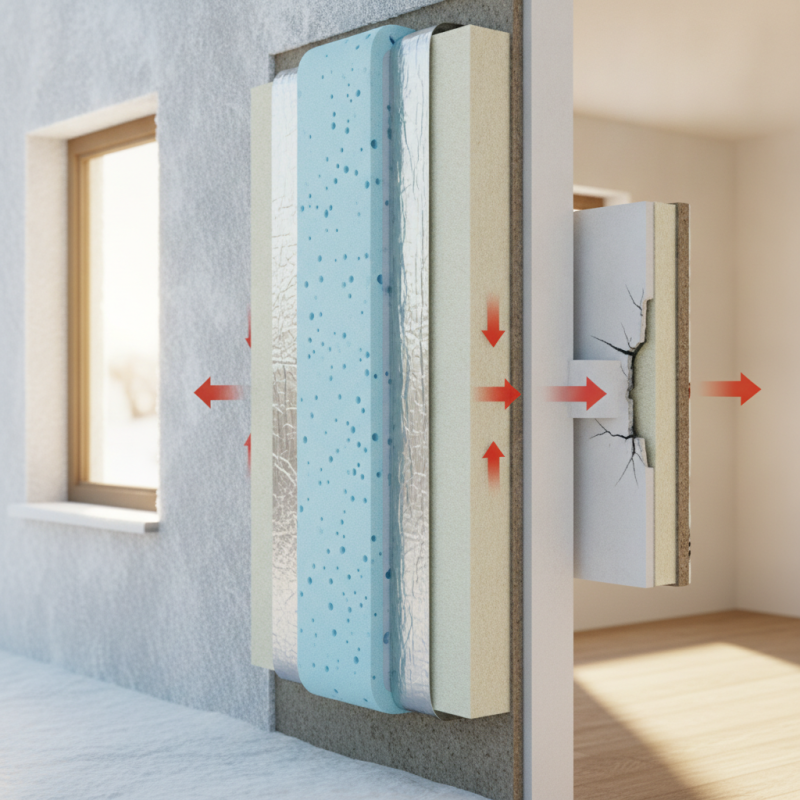
Heat insulation panels are essential components in modern construction. They significantly enhance energy efficiency in buildings. According to the U.S. Department of Energy, using the right insulation can reduce energy bills by up to 30%. These panels provide a barrier to heat flow, helping maintain comfortable indoor temperatures.
Typically made from materials like foam or fiber, heat insulation panels vary in thickness and efficiency. For instance, polyurethane panels are known for their high thermal resistance. Studies suggest that buildings with proper insulation can cut heating and cooling needs by nearly half. This showcases the importance of selecting the right type of insulation for specific climates.
While they offer clear benefits, challenges exist. Improper installation can lead to air gaps, diminishing effectiveness. Moreover, not all insulation materials are environmentally friendly. Industry reports highlight that some materials have a significant carbon footprint during production. Therefore, choosing panels that balance efficiency and sustainability is crucial for long-term gains.
Heat insulation panels are designed to reduce heat transfer. They work by creating a barrier that slows down the movement of heat. This principle relies on materials with low thermal conductivity. Such materials trap air pockets, which are ineffective at conducting heat.
When heat enters a space, it transfers through walls, ceilings, or floors. Insulation panels slow this process, keeping the interior cooler in summer and warmer in winter. This can lead to significant energy savings. By minimizing the need for heating or cooling, buildings become more energy-efficient. It’s crucial to choose the right materials for effectiveness.
However, not all insulation materials perform equally. Some may not meet specific needs or conditions. Factors such as climate, building design, and even panel thickness play a role in performance. Reflecting on the selection process can lead to better energy conservation outcomes. It's essential to evaluate options thoroughly for maximum benefit.
Heat insulation panels come in various types, each designed for specific applications. One popular type is polystyrene panels. These panels are lightweight and provide excellent thermal resistance. They are often used in residential buildings for walls and roofs. Their rigid structure makes installation straightforward. However, they can be vulnerable to extreme temperatures.
Another effective option is polyurethane panels. These panels offer superior insulation compared to polystyrene. With a higher R-value, they reduce energy loss more effectively. These panels are commonly used in commercial buildings and industrial applications. Installing them requires more expertise, which can complicate some projects.
Fiberglass panels are also noteworthy. They are created from fine glass fibers that trap air, providing insulation. These panels are light and mold-resistant. Their installation demands careful handling to avoid skin irritation. Each type has its benefits and drawbacks. Choosing the right panel is crucial for effective heat insulation. Reflecting on the specific needs of your project may help you make the best decision.
Heat insulation panels play a vital role in various industries. Their primary function is to enhance energy efficiency. Used in construction, refrigeration, and HVAC systems, they significantly reduce heat transfer. Reports indicate that energy loss in buildings can account for 30% of heating and cooling costs. Effective insulation can lower these costs substantially.
In construction, heat insulation panels are essential. They maintain comfortable indoor temperatures while minimizing energy consumption. The global market for insulation materials is projected to reach $78.2 billion by 2027, according to industry research. These panels are crucial in maintaining energy ratings for buildings. Proper installation of insulation can vary in effectiveness and requires skilled labor. Some panels, if not installed correctly, can lead to air leakage.
Refrigeration and HVAC systems also benefit from heat insulation panels. They help maintain desired temperatures, which is crucial for food storage and processing. Studies show that insulated systems can reduce energy consumption by up to 30%. However, the choice of materials and design must be scrutinized. Some panels may not perform as expected if subjected to extreme conditions. Attention to detail is essential for achieving optimal thermal performance.
| Application | Material Used | Insulation Value (R-Value) | Common Uses |
|---|---|---|---|
| Residential Buildings | Polyurethane Foam | R-6 to R-7 | Roof, Walls, and Floors |
| Commercial Buildings | Extruded Polystyrene | R-5 to R-6 | Cold Storage Facilities, Insulated Panels |
| Industrial Applications | Fiberglass | R-3 to R-4.5 | Piping, Equipment Covers |
| Transportation | Aerogel | R-10+ | Vehicle Insulation |
| Agriculture | Reflective Insulation | R-3 to R-5 | Greenhouses, Livestock Buildings |
Heat insulation panels offer various advantages in building and construction. These panels help maintain indoor temperatures, reducing energy costs. According to a report from the U.S. Department of Energy, adequate insulation can save homeowners an average of 15% on heating and cooling costs. By effectively minimizing heat exchange, these panels create comfortable living environments.
However, insulation panels also come with limitations that deserve consideration. The initial installation costs can be high. Some materials might not be environmentally friendly. Additionally, not all insulation types are suitable for every climate. Research indicates that in humid areas, moisture can reduce effectiveness. Long-term durability can vary, especially in extreme weather conditions.
Tips: Regular checks and maintenance can enhance performance. Consider combining insulation types for optimal results. Aim for insulation that meets local building codes and climate requirements. Mindful choices can balance cost and efficiency, ultimately guiding to better energy use and comfort.
: Heat insulation panels are materials used in construction to enhance energy efficiency. They prevent heat flow and maintain indoor temperatures.
Using the right insulation can reduce energy bills by up to 30%. They play a key role in minimizing heating and cooling costs.
Common materials include foam and fiber. Polyurethane panels are known for their high thermal resistance and effectiveness.
Improper installation can create air gaps, reducing effectiveness. It’s vital to ensure panels are correctly installed to maximize benefits.
Not all materials are eco-friendly. Some have a significant carbon footprint during production, which raises sustainability concerns.
These panels are used in construction, refrigeration, and HVAC systems. They significantly reduce heat transfer in these applications.
In refrigeration systems, heat insulation panels help maintain required temperatures, essential for safe food storage and processing.
The global market for insulation materials is expected to reach $78.2 billion by 2027. This signifies growing demand in construction.
Some panels may not perform well under extreme conditions. Attention to detail is necessary to ensure optimal thermal performance.
Proper insulation can cut heating and cooling needs nearly in half. Selecting suitable panels for specific climates is crucial for efficiency.
Heat Insulation Panels are specialized materials designed to minimize heat transfer between environments, enhancing energy efficiency in various applications. These panels work on the fundamental principles of thermal insulation, which prevent heat from escaping or entering spaces, thus maintaining a stable temperature. They are available in various types, such as rigid foam, fiberglass, and mineral wool, each suitable for different applications ranging from residential buildings to industrial facilities.
The use of Heat Insulation Panels offers numerous benefits, including reduced energy consumption and improved comfort levels, but they also come with certain limitations, such as potential moisture issues and initial installation costs. Understanding the characteristics and applications of these panels can help in making informed decisions for energy-efficient designs.

JUTAO NEW MATERIAL