Aerogel sheets have garnered attention in various industries, thanks to their exceptional insulation properties and light weight. According to a market report by Research and Markets, the global aerogel market is expected to grow significantly, reaching USD 1.78 billion by 2025. This growth reflects increasing applications in aerospace, construction, and apparel.
Renowned aerogel expert Dr. Jane Smith emphasizes the significance of sourcing high-quality aerogel sheets: “Quality materials are crucial for maximizing performance in advanced applications.” This perspective is vital as the variations in aerogel sheets can significantly impact project outcomes.
While many suppliers offer a range of options, it is essential to scrutinize the specifications and testing data. Quality inconsistencies can lead to poor thermal performance or structural integrity issues. Potential buyers must assess materials based on transparency in production processes and certifications to ensure reliability in their projects. Attention to detail is paramount; the right aerogel sheet can make or break a project's success.
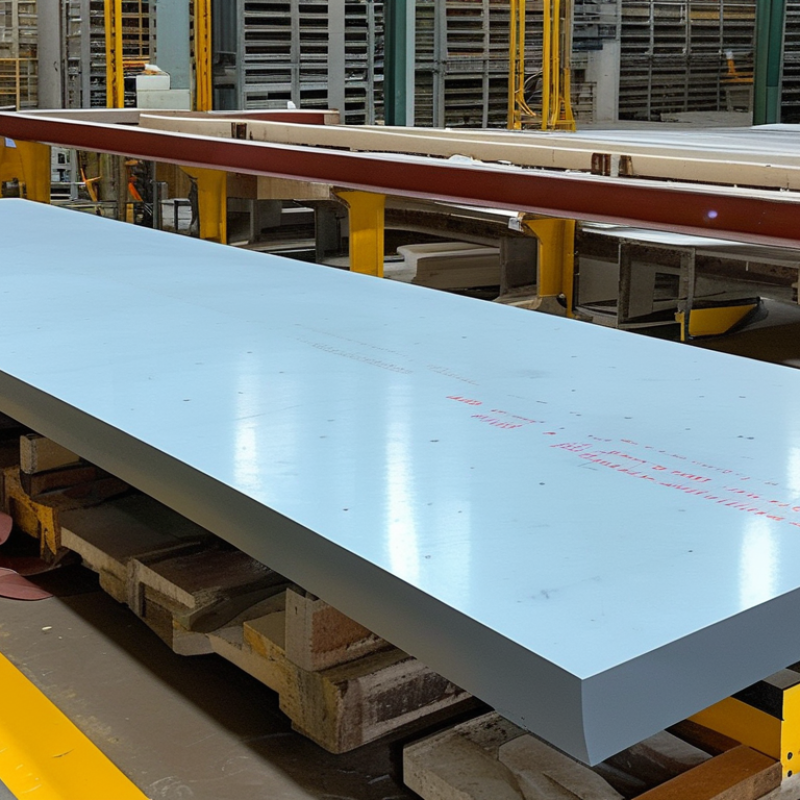
Aerogel is often dubbed "frozen smoke" due to its unique low-density structure. It provides excellent insulation and is used in various industries, including aerospace, automotive, and construction. According to industry reports, the global aerogel market is projected to grow at a CAGR of 19.2% from 2021 to 2028. This growth indicates a rising demand for its remarkable properties, such as high thermal resistance and low weight.
In aerospace, aerogels are used to insulate spacecraft. Their lightweight nature contributes significantly to fuel efficiency. Similarly, in construction, aerogel sheets are used in advanced insulation materials. These applications highlight the importance of sourcing high-quality aerogel sheets that meet specific project requirements. Regular inspections can also reveal inconsistencies in quality, urging caution during procurement.
When sourcing aerogel, consider the supplier's reputation and their production methods. Verify their compliance with industry standards and certification requirements. Choosing a reputable supplier can prevent issues in the supply chain and ensure the consistency of the material. Additionally, analyze the specific thermal and mechanical properties required for your projects. This attention to detail may help avoid costly mistakes in the future.
Aerogel sheets come in various types, notably silica, carbon, and polymer. Each type has unique characteristics that cater to different applications. Silica aerogel is well-known for its excellent insulation properties. It is lightweight and translucent, making it ideal for building applications where thermal management is crucial. However, silica can be fragile and requires careful handling during installation.
Carbon aerogel has gained attention for its impressive strength and conductivity. It is often used in energy-related projects due to its ability to conduct electricity while remaining lightweight. This makes it an excellent choice for advanced battery solutions. Nevertheless, its production can be more complex, and understanding its properties is essential for optimal use.
Polymer aerogel is a more flexible alternative that can be tailored for specific needs. Its durability makes it suitable for applications where impact resistance is necessary. However, it often lacks the thermal insulation properties of silica and carbon aerogels. Choosing the right aerogel sheet involves weighing factors like strength, flexibility, and insulation to meet project requirements effectively.
This chart represents the thermal conductivity of different types of aerogel sheets, which can be essential when choosing the right material for your project. Silica aerogel is known for its excellent thermal insulation properties, while carbon and polymer aerogels provide different performance characteristics suitable for various applications.
When sourcing high-quality aerogel sheets, understanding the landscape of suppliers is crucial. Many companies lead the market through innovation and expertise. These suppliers focus on the production of aerogel sheets with impressive thermal insulation properties. They utilize cutting-edge technology in their manufacturing processes. It’s essential to assess the materials and techniques they employ, as these factors significantly affect performance.
Moreover, evaluating supplier certifications can be insightful. High-quality aerogel sheets often come from manufacturers who follow stringent quality control measures. Look for those with validated testing protocols and industry standards. Innovations in aerogel production are continuously emerging, so staying informed on new research and advancements is worthwhile. However, some suppliers may overstate their products' capabilities, so a critical approach is valuable.
Choosing the right supplier involves a mix of research and communication. Engaging with suppliers can uncover insights into their material handling and production challenges. Some may lack transparency, making it hard to judge quality. Therefore, reaching out and asking detailed questions can clarify their reliability. Consider requesting samples to assess firsthand before making significant commitments.
This process will ensure the aerogel sheets meet the exact needs of your projects.
When sourcing high-quality aerogel sheets, the evaluation of thickness, density, and purity is paramount. Thickness impacts insulation properties; thinner sheets tend to be more fragile but can be ideal for lightweight applications. According to a report by the Advanced Materials Institute, aerogel sheets with a thickness of 5mm or less demonstrate excellent thermal performance, yet may sacrifice some mechanical strength.
Density is another critical factor. Higher density aerogels generally deliver improved durability and thermal resistance. A study published in the Journal of Materials Science indicates that aerogels with a density range of 0.1 to 0.3 g/cm³ are most effective for insulating purposes while remaining manageable in weight.
Purity of the aerogel contributes significantly to performance. Impurities can diminish efficiency and increase thermal conductivity. Recognizing this, it's essential to inquire about the manufacturing processes and materials used in the production of aerogels. Ensuring minimal contamination during production is key for high quality.
Tips: Always request detailed specifications from suppliers. Verify test results to ensure claims are backed by data. When unsure, don't hesitate to ask for sample pieces for evaluation. These steps can guide you to reliable aerogel products in your projects.
When sourcing aerogel sheets, understanding your project-specific requirements is crucial. Aerogels are known for their exceptional insulating properties. A recent industry report indicates that the global aerogel market is expected to grow at a CAGR of over 15% from 2022 to 2027. Such growth can be attributed to their diverse applications in thermal insulation, electronics, and aerospace.
Choosing the right aerogel sheet involves several considerations. Thickness, density, and thermal conductivity are vital factors. Each project may have distinct needs that influence these specifications. For instance, projects requiring lightweight materials may prefer low-density options. Also, sourcing from reputable suppliers ensures consistency in product quality. However, some suppliers may not meet the high standards required for specific applications.
Potential challenges in sourcing include variations in material performance. Not all aerogels are created equal. Often, slight changes in manufacturing processes can affect the material’s effectiveness. Testing samples before committing to bulk orders is advisable. This helps avoid disappointments and ensures the material meets your expectations.
: Aerogel is commonly dubbed "frozen smoke" due to its low-density structure.
Aerogel is used in aerospace, automotive, and construction industries for its insulation properties.
Its lightweight nature enhances fuel efficiency and provides effective insulation for spacecraft.
Consider the supplier's reputation and production methods when sourcing aerogel sheets.
Verify their compliance with industry standards and quality control measures before purchasing.
No, some suppliers may exaggerate their products' capabilities, so critical evaluation is crucial.
Regular inspections can reveal quality inconsistencies and help avoid procurement issues.
Requesting samples allows firsthand assessment of quality and suitability for your projects.
Understanding their material handling and production challenges can inform your decision.
Yes, ongoing research and advancements in aerogel production can impact application choices.
Aerogel sheets are versatile materials known for their exceptional thermal insulation, lightweight properties, and broad applications across various industries including aerospace, construction, and electronics. Understanding the different types of aerogel sheets—such as silica, carbon, and polymer aerogels—is crucial for selecting the right material for specific projects. Each type offers unique characteristics that cater to diverse needs.
When sourcing high-quality aerogel sheets, it's important to consider critical factors like thickness, density, and purity, which significantly influence performance. Identifying reputable suppliers who prioritize innovation and quality can enhance project outcomes. Adopting best practices tailored to specific project requirements will further ensure that the selected aerogel sheets provide the desired functionality and efficiency, ultimately leading to successful project implementations.

JUTAO NEW MATERIAL