What is Thermal Roof Panels Benefits and Applications?

Time:2026-06-04 Author:Aria
0%

Thermal Roof Panels are gaining attention for their energy-saving qualities. These panels act as both insulation and roofing material, providing significant benefits. With the rising costs of energy, building owners are looking for effective solutions.

The unique design of Thermal Roof Panels helps to regulate indoor temperatures. They minimize heat loss in winter and reduce heat gain in summer. This performance leads to lower energy bills, enhancing the overall efficiency of buildings.

Additionally, the durability of Thermal Roof Panels offers long-term value. They can withstand harsh weather conditions, providing reliable protection. Their installation contributes to sustainability by utilizing fewer resources for heating and cooling. However, one must consider that the initial investment can be substantial, prompting a careful assessment of potential return on investment.
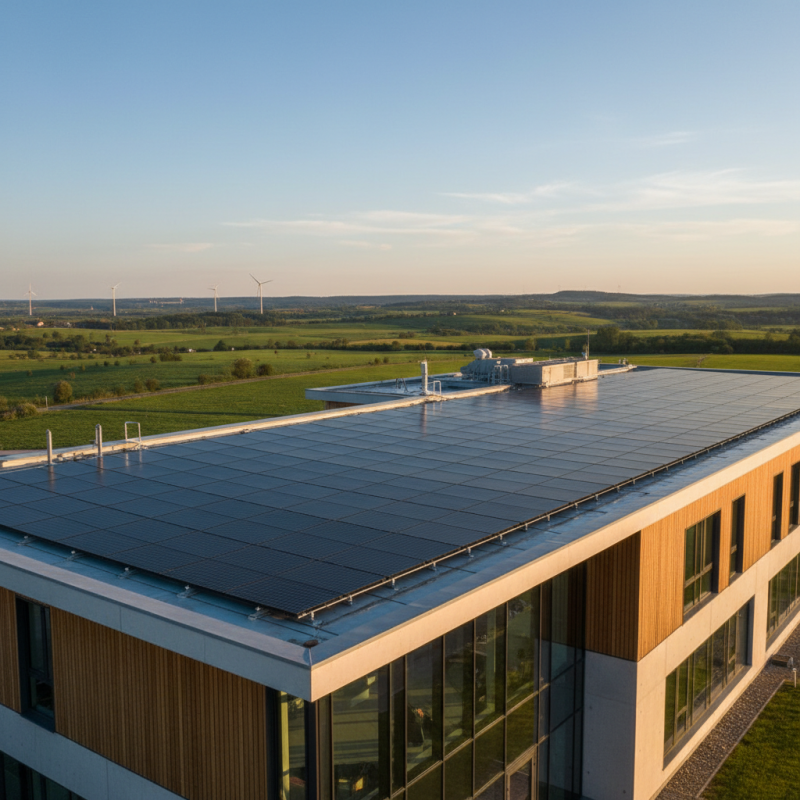
What is Thermal Roof Panels Benefits and Applications?

Definition and Overview of Thermal Roof Panels

Thermal roof panels are an innovative solution designed to enhance building energy efficiency. These panels are engineered with high insulation properties that help maintain stable indoor temperatures. Their structure typically combines a layer of insulation sandwiched between two outer layers, often made from durable materials. This design minimizes heat loss in winter and heat gain in summer, promoting a comfortable living environment.

These panels are versatile and can be utilized in various applications. They are particularly effective in commercial buildings, warehouses, and residential homes. Their installation can significantly reduce heating and cooling costs, making them a practical choice for energy-conscious developers. However, while thermal roof panels offer notable benefits, the initial investment can be higher than traditional roofing systems. This cost can deter some building owners from making the switch.

Ultimately, understanding the long-term savings versus initial costs is crucial. While thermal panels excel in energy efficiency, not all properties are suited for them. A thorough assessment is necessary to determine compatibility with existing structures. As technology continues to evolve, staying informed about advancements in thermal roof panel designs can yield even greater benefits in the future.

Key Benefits of Using Thermal Roof Panels

Thermal roof panels offer significant advantages for energy efficiency and overall building performance. According to a report by the U.S. Department of Energy, buildings account for nearly 40% of energy consumption in the country. Utilizing thermal roof panels can reduce this footprint. These panels often have high thermal resistance, which means less energy is required for heating or cooling.

In commercial settings, thermal roof panels can help maintain stable indoor temperatures. A study from the National Renewable Energy Laboratory revealed that buildings with thermal insulation can reduce energy bills by up to 30%. This not only enhances comfort but also leads to environmentally friendly practices. Property owners increasingly recognize the importance of sustainability.

While the benefits are clear, challenges exist. Improper installation can diminish the effectiveness of these panels. Furthermore, initial costs can deter some projects. However, the long-term savings often justify the upfront investment. In many cases, building codes now encourage the use of thermal insulation to improve energy performance. This reflects a growing awareness of the importance of energy-efficient buildings in combating climate change.

Applications of Thermal Roof Panels in Various Industries

Thermal roof panels are making waves across various industries. Their energy efficiency is a primary reason for their growing popularity. According to a report from the International Energy Agency, buildings account for nearly 30% of global energy consumption. This highlights the role thermal roof panels can play in reducing energy waste.

In industrial settings, these panels are crucial. They help maintain optimal temperatures, which can improve productivity. For instance, in manufacturing plants, excessive heat can hinder operations. A study indicated that effective thermal insulation can cut energy use by up to 40%. This translates to significant cost savings for businesses.

The agricultural sector also benefits. Greenhouses fitted with thermal panels can ensure stable climates for crops. Research shows that maintaining specific temperature ranges can boost crop yields by over 20%. Additionally, there are challenges. Initial installation costs can be high. Many businesses worry about long-term ROI, despite the potential savings. Understanding these aspects helps businesses make informed decisions.

Applications of Thermal Roof Panels in Various Industries

Comparison of Thermal Roof Panels with Traditional Roofing Solutions

When comparing thermal roof panels with traditional roofing solutions, the differences are striking. Traditional roofs often rely on materials that do not provide significant insulation. This can lead to higher energy costs. In contrast, thermal roof panels are designed to regulate temperature more effectively. They offer better insulation properties, which can help maintain a comfortable indoor environment.

Thermal roof panels can significantly reduce heat loss in colder months. This feature is often lacking in standard roofing materials, which can lead to energy inefficiency. However, one challenge with thermal panels is their installation. Specialized skills may be required to fit them correctly. Installing these panels can be more complicated than simply placing shingles. This potential drawback must be weighed against their long-term energy savings.

In terms of durability, thermal roof panels often outperform traditional options. They withstand harsh weather conditions and require less maintenance. However, initial costs may be higher, which could deter some homeowners. Looking at both options, the choice largely depends on specific needs and budget. Understanding the pros and cons is crucial to making an informed decision.

Factors to Consider When Choosing Thermal Roof Panels

Choosing thermal roof panels requires careful consideration of several factors. One major aspect is the insulation value. Different materials offer varying levels of thermal resistance. Selecting the right insulation can enhance energy efficiency and comfort in buildings. Also, consider the climate of your area. Specific panels may perform better in extreme temperatures.

The weight of the panels is another important consideration. Lighter panels might be easier to install but could be less durable. On the other hand, heavier panels offer stability but may require stronger supports. Additionally, evaluate the panel's lifespan. Some materials might wear down faster, leading to more frequent replacements.

Budget also plays a crucial role in your decision. High-quality panels may have a higher upfront cost but can save money in the long run through energy savings. Don't overlook local regulations, either. Different regions may have specific requirements for roofing materials. Researching these factors can help avoid potential issues later on.

FAQS

: What are the main benefits of using thermal roof panels?

: Thermal roof panels improve energy efficiency and can lower energy consumption by reducing heating and cooling needs.

How much can energy bills be reduced by using thermal roof panels?

Studies show potential energy bill reductions of up to 30% with proper insulation in buildings.

What challenges might arise with thermal roof panels?

Improper installation can reduce effectiveness, and high initial costs might discourage some projects.

How do thermal roof panels compare to traditional roofing solutions?

Thermal panels offer better insulation, reducing heat loss, while traditional roofs often lead to higher energy costs.

What considerations should be made when choosing thermal roof panels?

Important factors include insulation value, climate suitability, panel weight, and durability.

How do the upfront costs of thermal roof panels affect homeowners?

Higher initial costs can be a barrier, but long-term energy savings may justify the investment.

Why is panel lifespan an essential factor in the selection process?

Some materials degrade faster, which may lead to more frequent replacements, affecting overall costs.

What local factors should be researched before choosing roofing materials?

Local regulations and specific requirements for roofing materials can impact the choice of thermal panels.

Can the weight of thermal roof panels affect installation?

Yes, lighter panels are easier to install, while heavier panels may offer better stability but need stronger supports.

What role does climate play in selecting thermal roof panels?

Certain panels perform better in extreme temperatures, so climate should influence material choice for effectiveness.

Conclusion

Thermal Roof Panels are innovative roofing solutions designed to enhance energy efficiency and insulation in buildings. They consist of layers that effectively trap heat, thereby reducing energy consumption for heating and cooling. Key benefits include lower utility bills, improved comfort, and a reduced carbon footprint. These panels find applications across various industries, from residential construction to commercial facilities, owing to their versatility and effectiveness.

When comparing Thermal Roof Panels to traditional roofing options, the former offers superior insulation and energy-saving capabilities. However, selecting the right thermal panels involves considering factors such as the panel's thermal performance, installation requirements, and overall durability. By understanding these aspects, builders and homeowners can make informed decisions that enhance the energy efficiency and longevity of their structures.


Aria

Aria

Aria is a dedicated marketing professional with a deep passion for innovative strategies and a keen understanding of our company's product offerings. With a wealth of experience in the industry, Aria excels at crafting engaging content that highlights the unique features and benefits of our......