What Are the Top Thermal Roof Panels from China?

Time:2026-10-12 Author:Mason
0%

Choosing the right Thermal Roof Panels from China requires more than comparing prices, thicknesses, or attractive product photos. A reliable assessment must examine thermal conductivity, core density, fire performance, moisture resistance, joint design, coating quality, and long-term dimensional stability. Factory experience matters too. A panel that performs well in a controlled laboratory may behave differently after years of sunlight, rain, wind, and repeated temperature changes.

Building-science expert Joseph Lstiburek once observed, “The perfect wall is not a wall that is perfect; it is a wall that is robust.” This principle is highly relevant to Chinese thermal roofing products. The strongest option is not always the thickest panel or the cheapest quotation. It should match the building’s climate, roof structure, drainage plan, and installation conditions. Small details matter. A poorly sealed overlap can allow humid air into the insulation. A weak fastener layout can create movement around the roof edges.

This guide examines leading Thermal Roof Panels manufactured in China, including PIR, polyurethane, rock wool, and EPS systems. It considers practical performance, documented testing, supplier capability, customization, and after-sales support. Certifications should be checked carefully, not simply copied from a brochure. Factory audits, sample testing, and clear technical drawings provide stronger evidence. No ranking is flawless. Product quality can vary between production lines, even within one company. The goal is a balanced shortlist that helps buyers ask better questions and avoid expensive surprises. Reliability begins with verification.
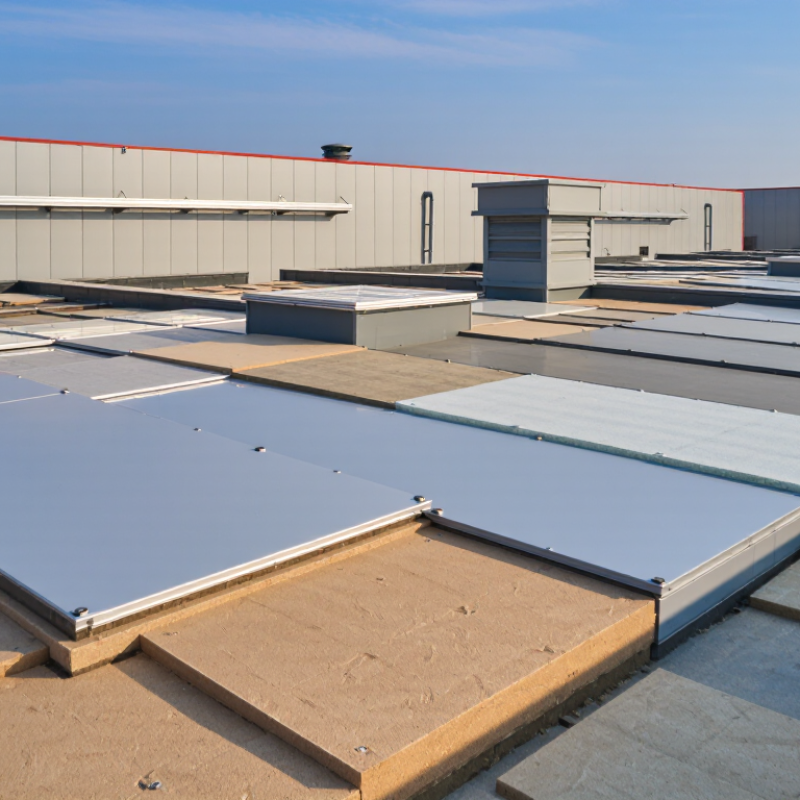
What Are the Top Thermal Roof Panels from China?

What Are Thermal Roof Panels and How Do They Work?

Thermal roof panels are prefabricated sandwich panels designed to slow heat transfer through a building’s roof. They usually contain a rigid insulation core between two protective metal sheets. Common cores include PIR, mineral wool, and EPS. Each material behaves differently. PIR offers strong thermal resistance, while mineral wool can provide better fire performance. EPS is lightweight and often more economical.

The panels work by reducing conduction through the roof. Their sealed core also limits air movement inside the insulation layer. Metal surfaces can reflect some radiant heat, but joints matter just as much. A small gap around a screw can create noticeable heat loss. In practical projects, installers check the panel’s U-value, core density, thickness, fire rating, and weather resistance. Factory test reports should support these claims. A lower U-value is useful, but it does not guarantee a successful roof. Poor alignment can weaken the result. That detail is easy to underestimate.

Tips:
Compare tested performance, not advertising language. Inspect panel edges, locks, coatings, and packaging before installation. Ask for tolerance data and installation guidance. In humid or coastal areas, confirm corrosion protection carefully. Thermal performance may also change after repeated temperature cycles, so long-term evidence deserves attention. Condensation control is another concern. Even a well-insulated panel can fail if indoor moisture reaches a cold joint.

Which Types of Thermal Roof Panels Are Made in China?

What Are the Top Thermal Roof Panels from China?

China produces several thermal roof panel types for factories, warehouses, cold rooms, and agricultural buildings. The commonest choice is the PIR or PUR sandwich panel. It offers low thermal conductivity and a lightweight core. EPS panels usually cost less and suit moderate insulation needs. Rock wool panels provide stronger fire resistance and better acoustic performance. Glass wool panels are also available, though they need careful moisture protection. XPS boards are mainly used beneath roof membranes or in insulated roof assemblies.

The right type depends on climate, roof span, fire rules, and installation quality. UNEP’s 2023 Global Status Report states that buildings consume about 30% of global energy. It also identifies insulation as a practical efficiency measure. China-made panels can support this goal, but published thermal values need verification. Ask for third-party test reports, core density, joint details, and aging data. A low declared conductivity may not represent the installed roof.

Tips: Check the panel’s tested U-value, not only its core material. Inspect cut edges for gaps and dampness. Confirm fire classification under the project’s local code. In my experience, installers often overlook fastener bridges. That small mistake reduces real performance. Prices also vary widely, and cheaper EPS is not automatically the best value. Recheck the specification before ordering.

What Materials and Insulation Ratings Should Buyers Compare?

When comparing thermal roof panels from China, begin with the core material. PIR and PUR usually provide strong insulation with thinner panels. Mineral wool offers better fire resistance and sound control. EPS costs less, but its thermal performance can decline with moisture and poor installation.

Check the insulation rating, not only the advertised thickness. Buyers should compare R-value or U-value under the same testing method. A 100 mm panel may perform differently across suppliers. Ask for laboratory reports, declared thermal conductivity, density, and temperature conditions. Also inspect the joint design. A small gap near a metal fastener can create a cold bridge and reduce real performance. This detail is often missed.

Tips: Request samples before ordering. Cut one sample and inspect its core, bonding, and steel coating. For humid coastal projects, confirm water absorption and corrosion protection. For warehouses, review fire classification and smoke performance with a qualified local professional. Supplier documents can be useful, but they are not proof of site performance. Installation quality matters more than many buyers expect. I have seen excellent panels underperform because workers compressed the joints unevenly. Compare test methods carefully, and allow for aging, moisture, and workmanship in your specification.

How Do Leading Chinese Roof Panel Suppliers Differ?

What Are the Top Thermal Roof Panels from China?

How Do Leading Chinese Roof Panel Suppliers Differ?

Chinese thermal roof panel suppliers often differ more in process control than in catalog photos. The same 50-millimeter panel can perform differently on a real building. Some factories use PIR or PUR foam for low heat transfer. Others use mineral wool for stronger fire resistance and sound control. Core density, adhesive coverage, and panel flatness deserve close inspection. Steel thickness and coating quality also matter, especially near humid coastlines.

Experienced suppliers provide recent test reports for thermal conductivity, fire behavior, and wind resistance. Ask whether these tests cover complete roof assemblies, not only isolated materials. Reliable factories retain batch records and inspect panel thickness during production. They may also adjust panel length, joint design, and insulation density for a project. That flexibility helps. It can also create quality differences between orders.

Supplier support becomes clearer during installation. Strong teams provide roof layouts, joint details, loading guidance, and practical responses to site questions. Packaging should protect panel edges from forklift damage and rain. A useful check is opening several bundles before installation. Look for crushed corners, uneven foam, or incomplete protective film. Small gaps matter. No supplier is perfect, and published specifications may not reveal every weakness. Buyers should compare physical samples, factory records, inspection results, and after-sales response before choosing a long-term supplier.

How Can You Select the Right Thermal Roof Panel for Your Project?

Choosing the right thermal roof panel from China requires more than comparing prices. Start with your project’s climate, roof span, indoor temperature, and local building requirements. A panel suitable for a cold warehouse may perform poorly in a humid coastal facility.

Check the core material, thickness, density, and thermal conductivity. Mineral wool offers strong fire resistance, while polyurethane and PIR panels often provide higher insulation with less thickness. Ask for verified test reports, not only product brochures. Confirm the panel’s U-value under relevant testing conditions. Also inspect joint design, coating quality, fasteners, and drainage details. Small gaps around overlaps can waste energy and invite condensation.

Tips: Request physical samples before ordering. Examine the edge, locking joint, coating, and core bonding by hand. Compare at least three technical quotations. Ask about production tolerance, packaging, replacement parts, and delivery records. A thicker panel is not automatically better. Poor installation can defeat excellent insulation. I have seen specifications look impressive until the roof joints were reviewed closely. That step should not be skipped. Consider solar exposure, wind load, snow load, and maintenance access. Supplier communication matters too; unclear drawings often become expensive site problems. If the supplier cannot explain test methods or warranty limits clearly, reconsider the purchase. Reliable selection is sometimes slower, but it reduces uncomfortable surprises later.

FAQS

What are thermal roof panels?

They are prefabricated sandwich panels for reducing heat transfer through roofs. A rigid insulation core sits between protective metal sheets. The core may use PIR, mineral wool, or EPS. Simple structure. Important details.

How do thermal roof panels reduce heat loss?

The insulation core slows heat movement through the roof. Its sealed structure also limits air movement inside the panel. Metal surfaces can reflect some radiant heat. Joints still matter greatly.

Which insulation core should buyers compare?

PIR and PUR often provide strong insulation with thinner panels. Mineral wool usually offers better fire resistance and sound control. EPS is lightweight and often more economical. Moisture can reduce its performance.

Should buyers compare thickness or insulation ratings?

Compare R-values or U-values under the same testing method. A thicker panel does not automatically perform better. Review thermal conductivity, density, and testing temperatures. Numbers can mislead.

Why are panel joints so important?

Small gaps near screws or overlaps can create cold bridges. They may increase heat loss and allow condensation. Unevenly compressed joints can weaken excellent insulation. This mistake is common.

What should buyers inspect before ordering?

Request physical samples and inspect the edge, core, bonding, and steel coating. Check locks, fastener areas, packaging, and panel alignment. Ask for production tolerances and installation guidance. Hands-on inspection helps.

How does climate affect panel selection?

Consider humidity, coastal exposure, solar heat, wind, snow, and indoor temperature. Coastal projects need careful corrosion protection. Humid buildings require strong condensation control. Climate changes everything.

What documents should suppliers provide?

Request laboratory reports, declared thermal conductivity, fire classification, and weather-resistance evidence. Confirm the testing method and relevant temperature conditions. Review warranty limits and long-term performance data. Documents are not proof.

How can installation quality affect roof performance?

Poor alignment, damaged coatings, and loose joints can reduce real insulation performance. Installers should follow drawings and check overlaps carefully. Drainage and maintenance access also deserve attention. Specifications are never enough.

How should buyers compare supplier quotations?

Compare at least three technical quotations, not only prices. Review materials, thickness, density, tolerances, delivery records, and replacement arrangements. Ask clear questions when drawings or test methods seem unclear. Slower decisions may prevent expensive surprises.

Conclusion

Thermal Roof Panels are engineered roofing systems designed to reduce heat transfer, improve indoor comfort, and support better energy efficiency. They typically combine protective outer layers with an insulating core, helping limit heat gain in warm climates and heat loss in colder conditions. Made in China, these panels may include insulated metal sandwich panels, polyurethane or polyisocyanurate panels, rock wool panels, and expanded polystyrene options. Each type offers different advantages in fire resistance, moisture control, structural strength, weight, and cost.

When comparing suppliers, buyers should examine the panel’s core material, thickness, thermal conductivity, fire rating, waterproof performance, surface coating, connection design, and quality-control procedures. It is also important to consider local climate, building use, roof structure, installation requirements, expected service life, and applicable construction standards. The right Thermal Roof Panels should provide a balanced combination of insulation performance, durability, safety, appearance, delivery reliability, and overall project value rather than being selected by price alone.


Mason

Mason

Mason is a seasoned marketing professional with a deep expertise in the company's offerings and a passion for driving brand awareness. With a strong background in digital marketing strategies, he has an innate ability to connect with diverse audiences and effectively communicate product benefits.......