Aerogel panels have emerged as a revolutionary material in insulation technology. According to a report by ResearchAndMarkets, the global aerogel market is expected to reach $4.9 billion by 2028. This impressive growth is fueled by the unique properties of aerogel, which is known for its lightweight and superior thermal insulation capabilities. Experts emphasize its potential for both residential and industrial applications.
Dr. Robert H. Johnson, a leading expert in thermal insulation technology, once stated, “Aerogel panels can significantly reduce energy costs while providing exceptional thermal resistance.” This statement underscores the increasing importance of aerogel panels in construction and energy efficiency. As building regulations become more stringent, the demand for innovative solutions is clear.
Using aerogel panels for improved insulation can not only enhance energy efficiency but also contribute to sustainability. However, challenges remain in manufacturing and cost-effectiveness. Some projects have faced hurdles due to high initial investments. Despite these obstacles, the long-term benefits of aerogel technology offer undeniable value. Pursuing further advances in aerogel applications could help overcome these issues and boost their effectiveness in the market.
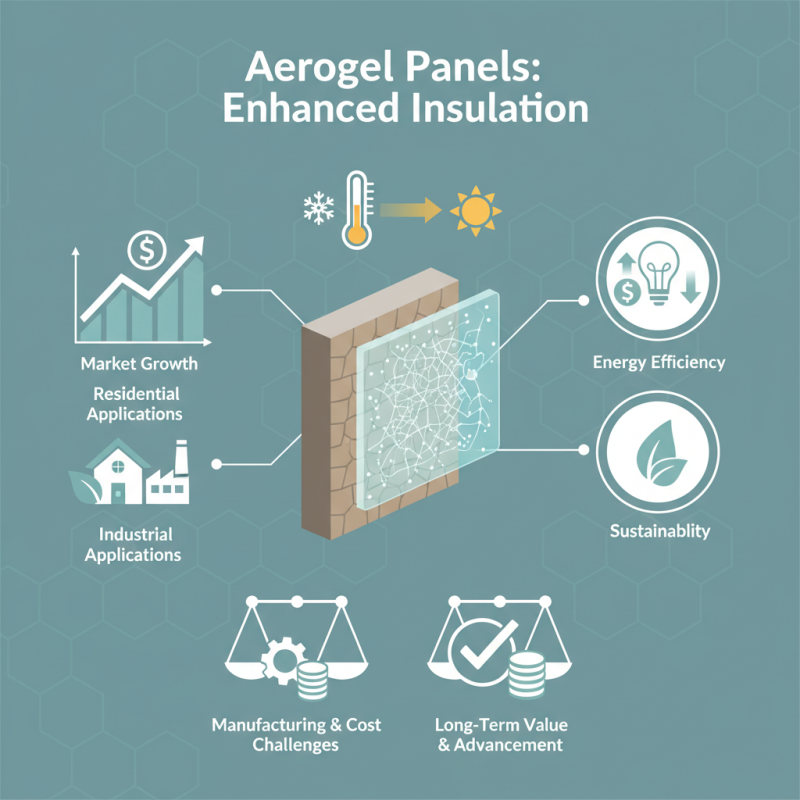
Aerogel panels are remarkable materials known for their outstanding insulation properties. Comprised mainly of air, these panels are known as the lightest solid materials. Their unique structure gives them impressive thermal resistance, making them ideal for a variety of applications. Aerogel is often referred to as "frozen smoke" due to its translucent appearance. This quality allows some light to pass through, adding visual appeal.
The properties of aerogel panels make them suitable for both industrial and residential insulation. They can significantly reduce heat transfer, enhancing energy efficiency in buildings. Moreover, they are non-toxic and safe to handle, which adds to their appeal.
However, the manufacturing process can be complicated, and costs may be higher than traditional insulation options. Some users have reported challenges in sourcing these panels, indicating a need for a more widespread availability. Despite these issues, the effectiveness of aerogel in insulation remains indisputable. Users must weigh the benefits against the practical considerations.
Aerogel panels have emerged as a leading solution for insulation, offering unique benefits that traditional materials cannot match. With thermal conductivity values as low as 0.013 W/m·K, aerogels excel in minimizing heat transfer. This efficiency can lead to energy savings of up to 30% in heating and cooling costs, according to a report by the U.S. Department of Energy. Such savings make a significant impact on both the environment and utility bills.
One key advantage of aerogel panels is their lightweight nature. Weighing a fraction of traditional insulation materials, they simplify installation and reduce structural load. This is particularly beneficial in retrofitting older buildings. However, the high initial cost remains a concern. While the long-term savings are notable, some may hesitate to invest upfront.
Tip: When considering aerogel for your project, analyze the overall lifecycle cost versus energy savings.
Another advantage is their fire resistance. Aerogel panels can withstand high temperatures without breaking down, which adds a layer of safety to structures. Their hydrophobic properties prevent moisture absorption, a common issue with fiberglass insulation. However, users should be aware of potential challenges in achieving optimal performance. Proper installation is crucial to realize these benefits fully. Poor installation can negate the energy efficiency promises of these advanced materials.
Tip: Ensure installation is performed by trained professionals to maximize aerogel’s insulating capabilities.
When looking to improve your home's insulation, aerogel panels could be an excellent choice. These lightweight materials offer superior thermal insulation and help reduce energy costs. Installing them may seem daunting, but a step-by-step approach can simplify the process.
Begin by measuring the area where the panels will be installed. Ensure the surface is clean and dry. Cut the aerogel panels to fit the space. Use a utility knife for precise cuts. Apply adhesive to the back of the panels and press them onto the surface. Make sure to create a snug fit.
Tips: Wear gloves during installation. Aerogel can be delicate. Consider wearing a mask to avoid inhaling any dust from cutting. If you make a mistake in cutting, don’t panic. Minor gaps can be filled with insulation foam. Watch for moisture buildup during installation. If panels get damp, it could affect their performance. Check your work as you go along to ensure a solid application.
After installation, take time to inspect your work. Look for any potential gaps or areas that need touch-ups. Aerogel panels can sometimes settle, so keep an eye on them after installation. Regular inspections will help maintain insulation effectiveness.
Aerogel panels are revolutionizing insulation in construction. Their lightweight and high thermal resistance make them ideal for various applications. They are now favored in commercial, residential, and industrial projects where energy efficiency is crucial.
In commercial buildings, aerogel panels can be used in curtain walls. These panels allow for natural light while minimizing heat loss. This creates a comfortable environment without heavy energy expenditures. Skyscrapers benefit greatly from this, as the reduced thermal bridging helps maintain consistent indoor temperatures.
In residential settings, aerogel panels work well in attics and basements. They provide enhanced insulation while saving space due to their thin profile. By choosing aerogel for renovations, homeowners can increase energy efficiency.
Tip: Always assess the local climate before choosing insulation materials. Aerogel may not be the sole solution for every region.
Industrial facilities are also adopting aerogel panels for equipment containment. In cryogenic applications, reducing heat transfer is critical for efficiency. Proper installation is essential. A small error can lead to significant energy loss.
Tip: Invest in skilled professionals for installation. The quality of installation can impact the panels' effectiveness significantly.
Aerogel panels present opportunities for innovation. However, challenges remain in manufacturing and cost. Finding a balance between performance and budget can be a daunting task.
Caring for aerogel insulation panels is essential to maintain their effectiveness. Regular inspections are necessary. Check for any cracks or damage. Even small issues can compromise performance. This material is highly efficient, with thermal conductivity as low as 0.013 W/m·K, but damage can lead to significant heat loss.
Cleaning is straightforward. Use a soft brush or cloth for dust. Avoid harsh chemicals that can degrade the panel. While aerogel is resistant to moisture, it's important to ensure the surrounding environment stays dry. Humidity can affect insulation performance over time. Data shows that maintaining low humidity levels can retain up to 25% more insulation effectiveness.
Long-term performance hinges on proper sealing. Ensure edges are tight against structures. Any gaps can diminish the insulation's capability. Regular maintenance can prolong the lifespan of aerogel panels. However, evaluating the need for periodic replacement is crucial. The longevity may vary based on usage and exposure. Aim to stay proactive for optimal insulation performance.
| Property | Description | Maintenance Tips |
|---|---|---|
| Thermal Conductivity | Extremely low thermal conductivity, ideal for insulation. | Inspect for any visible damage annually to ensure insulation efficiency. |
| Moisture Resistance | Highly resistant to moisture, preventing mold and mildew. | Keep panels dry; clean spilled liquids immediately to prevent absorption. |
| Weight | Lightweight material, making handling and installation easy. | Use appropriate lifting techniques; avoid dropping to prevent cracks. |
| Fire Resistance | High resistance to fire, adding safety to installations. | Ensure installation meets fire safety codes and standards during setup. |
| Durability | Long-lasting material with minimal degradation over time. | Inspect regularly and replace any damaged panels to maintain performance. |
: Aerogel panels are lightweight, highly efficient, and excel in thermal resistance, reducing energy costs significantly.
They can save up to 30% on heating and cooling bills, but initial costs may deter some buyers.
They are preferred in commercial buildings, residential attics, basements, and industrial facilities for various insulating needs.
Proper installation is essential. Poor installation can negate energy efficiency benefits, so use trained professionals.
Regularly inspect for cracks, clean with a soft brush, and keep the surrounding area dry to maintain performance.
No, aerogel is hydrophobic and resists moisture but ensure low humidity for maximum effectiveness.
Look for any gaps around edges. Sealing them tight is crucial for retaining insulation efficacy.
Assess your local climate first, as aerogel may not be the best option for every region’s insulation needs.
High initial costs and uncertainty about long-term value can make some people reluctant to invest.
Evaluate the panels periodically, as longevity may vary based on usage and exposure; proactive assessment is key.
Aerogel panels are innovative insulation materials known for their exceptional thermal properties and lightweight nature. Composed of gels that have been processed to remove the liquid component, these panels offer excellent thermal resistance, making them ideal for various building projects. The use of aerogel panels in insulation not only enhances energy efficiency but also contributes to reducing heating and cooling costs, providing sustainable building solutions.
Installing aerogel panels involves a straightforward step-by-step process, ensuring that contractors and DIY enthusiasts can achieve optimum results. Common applications of these panels include walls, roofs, and floors in both residential and commercial buildings. To maintain their effectiveness, regular care and upkeep are recommended, although aerogel panels typically require minimal maintenance over time. Overall, aerogel panels represent a significant advancement in insulation technology, merging performance with ease of use.

JUTAO NEW MATERIAL