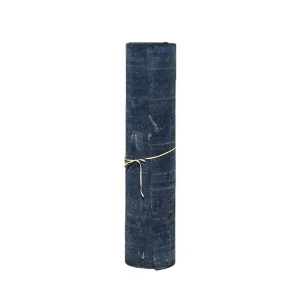
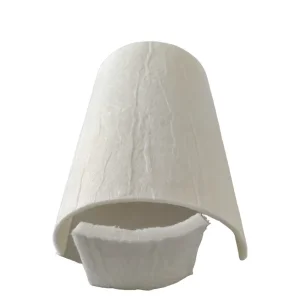
Pioneering next-generation aerogels, vacuum insulation panels, and composite barriers configured to demanding thermal profiles.
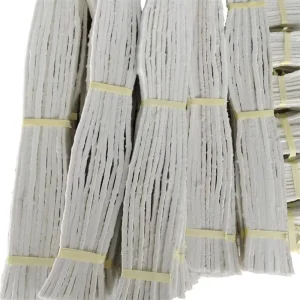
In the modern era of materials science, the demand for multifunctional nanostructured materials has experienced exponential growth. Carbon Nanotubes (CNTs), comprising cylindrical molecules of carbon atoms with unique hexagonal lattices, sit at the absolute pinnacle of this revolution. Characterized by exceptional tensile strength, thermal conductivity, and electrical transport properties, CNTs are no longer merely experimental materials; they are key enablers for high-performance engineering.
Global industrial ecosystems, spanning aerospace, defense, energy storage, and microelectronics, are actively integrating CNTs with porous host matrices like silica aerogels and carbon aerogels. By embedding custom synthesized Single-Walled (SWCNTs) and Multi-Walled Carbon Nanotubes (MWCNTs) into these structural frameworks, manufacturers achieve unprecedented combinations of ultralow density, high mechanical durability, and electrical conductivity, surpassing the thermal percolation threshold required for advanced EMI shielding and thermal runway barriers.
Procuring carbon nanomaterials requires rigorous consideration of structural morphology, purity, aspect ratios, and dispersion behaviors. Technical and procurement officers must navigate complex trade-offs to ensure continuous reliability.
Industrial applications dictate strict limits on metal catalyst residues (typically Fe, Co, Ni). High-end electronics demand >98% carbon purity verified via Raman Spectroscopy (I_D/I_G ratio) and Thermogravimetric Analysis (TGA) to prevent unexpected degradation.
Unfunctionalized CNTs tend to agglomerate due to strong van der Waals forces. Sophisticated buyers seek custom functionalization—such as Carboxyl (-COOH), Hydroxyl (-OH), or Amino (-NH2) groups—coupled with proprietary surfactant-assisted wet processes to ensure homogenous dispersion.
Transitioning from benchtop R&D to multi-ton commercial production is a critical hurdle. Enterprises prioritize suppliers operating continuous Fluidized Bed Chemical Vapor Deposition (CVD) processes that guarantee batch-to-batch consistency and competitive pricing.
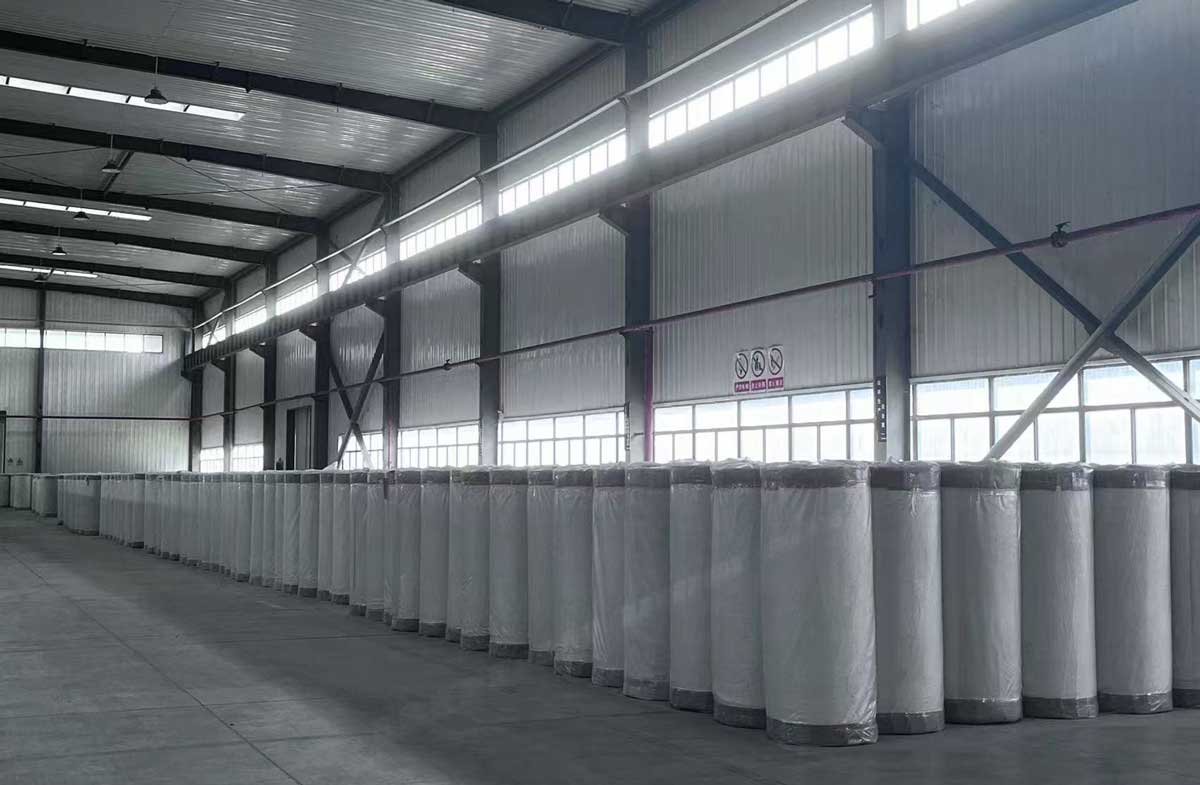
The production of advanced carbon nanomaterials and ultra-insulating aerogels requires highly controlled thermodynamic environments. Henan Jutao New Material Co., Ltd. implements Factory 4.0 automation architectures to monitor critical synthesis parameters in real-time, including chemical vapor deposition temperature profiles, solvent extraction rates, and vacuum pressure thresholds.
By integrating manufacturing execution systems (MES) with automatic raw material dosing and sensor-driven quality control gates, we minimize human error and ensure that product properties (such as density, thermal conductivity, and tensile strength) remain well within narrow engineering tolerances. This level of digitalization translates directly to massive efficiency gains and rapid lead times.
Moreover, our strategic location in Henan provides direct logistics connectivity to major global deep-water ports and transcontinental rail hubs. This ensures that even during periods of global supply chain disruptions, we maintain a robust access pathway to essential precursor chemicals and secure, uninterrupted delivery timelines to our international client base.

A Decadal Commitment to Materials Science, Resource Efficiency, and Sustainability.
Henan Jutao New Material Co., Ltd. has spent over 10 years developing and optimizing thermal insulation solutions rooted in absolute sustainability. As a premier global manufacturer and exporter of advanced aerogel materials and Vacuum Insulation Panels (VIPs), we actively help solve the world's most demanding challenges in resource efficiency, electrification, and modern sustainability.
We do not simply sell materials. We operate as a knowledge-based solutions provider backed by thousands of scientists, material engineers, application technicians, and state-of-the-art laboratory testing facilities. Whether you require customized dimensional designs, specialized hybrid formulations, or full-scale pilot testing, our engineering teams are fully equipped to deliver.
"Our Mission is clear: Provide Green and High-quality Materials That Can Improve Human Living Environment and Life Safety."
Porous matrices engineered to achieve maximum thermal resistance with minimal physical profile.
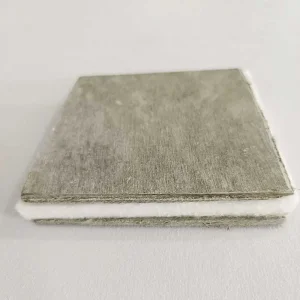
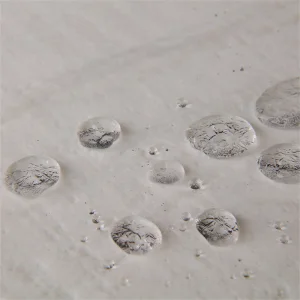
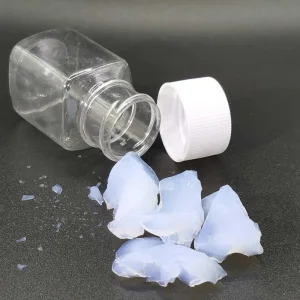
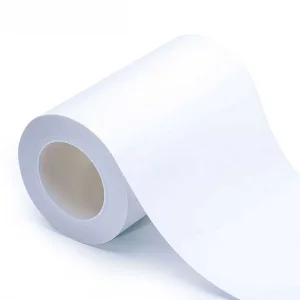
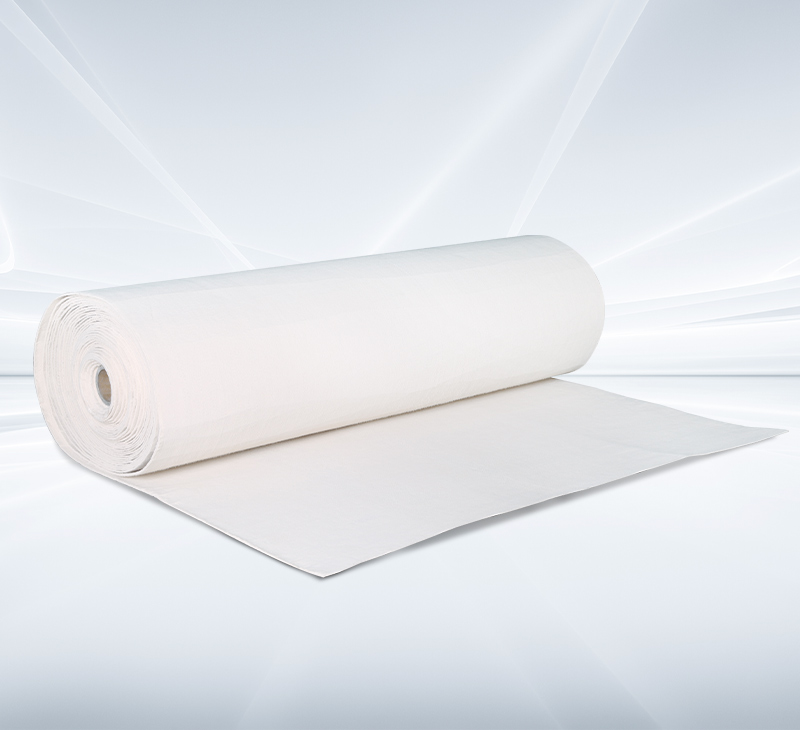
Aerogel insulation, famously known as the lightest solid on Earth, features a highly nanoporous silica matrix. This structure restricts the mean free path of gas molecules, resulting in an exceptionally low thermal conductivity. It is widely utilized in industrial steam pipe networks, cryogenics, deep-sea pipelines, aerospace shell assemblies, and electric vehicle battery packs to limit thermal propagation.
Buildings (roofs, walls, window frames), Industrial high-temp piping, EV thermal runaways, aerospace panels.

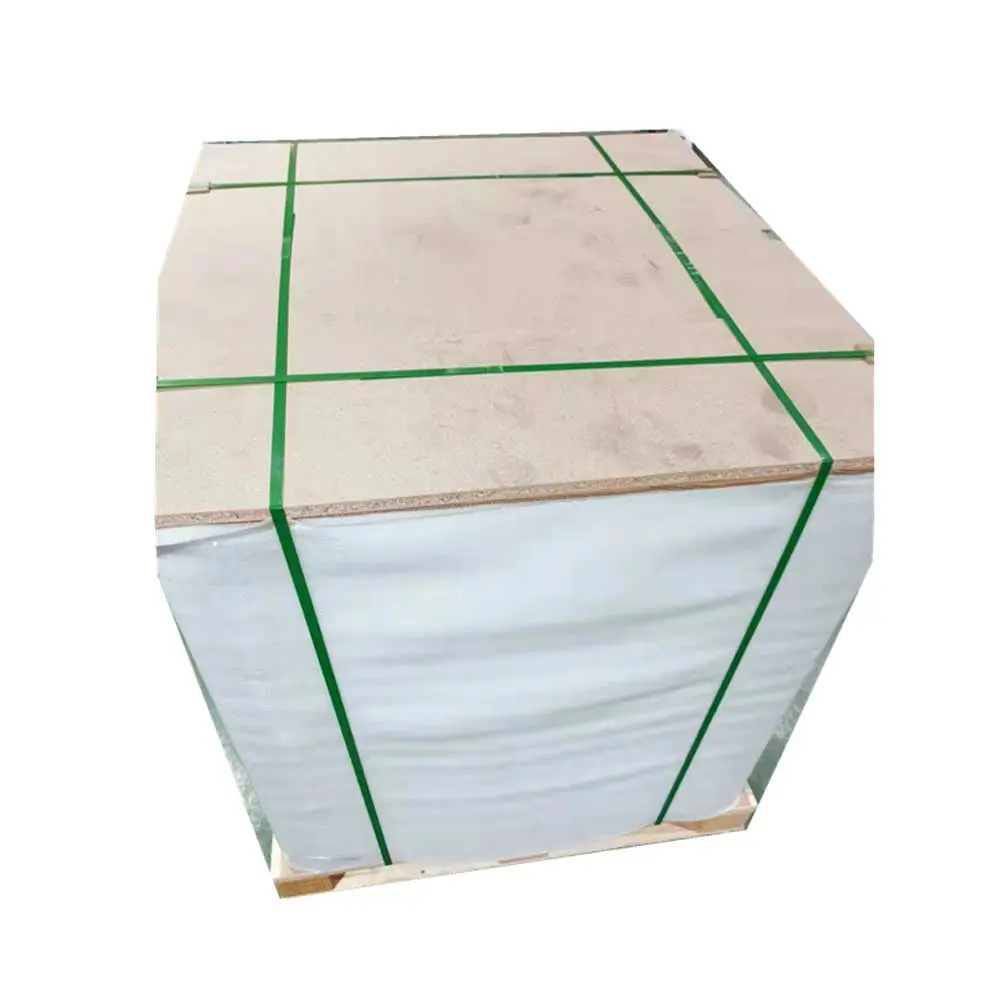
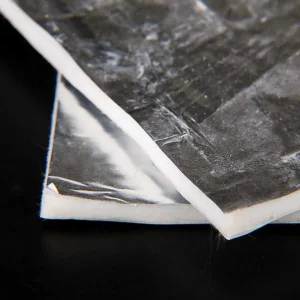
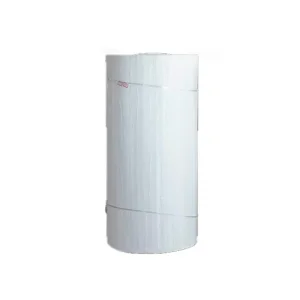
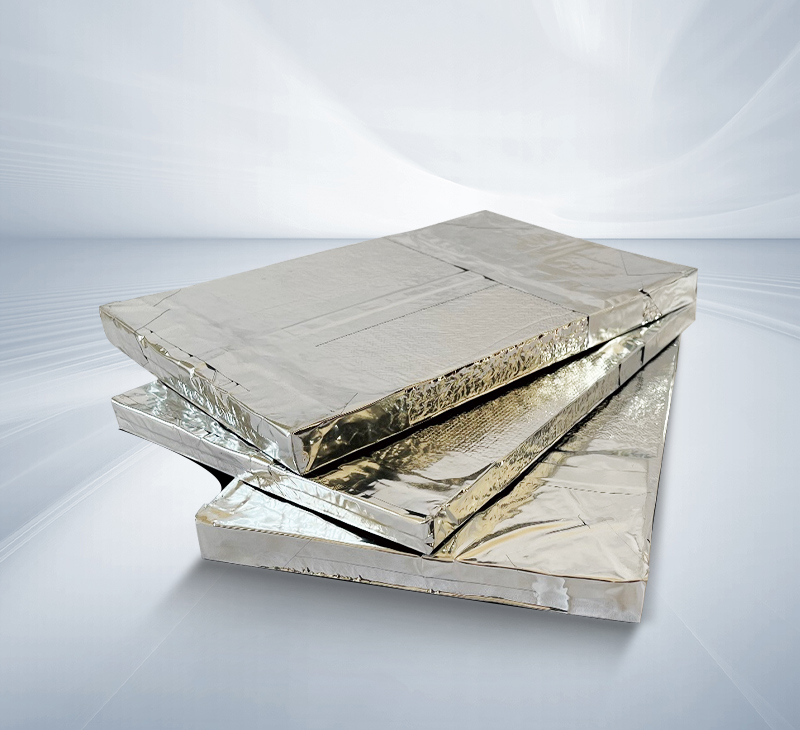
Composed of an open-porous core material encapsulated within a high-barrier, gas-tight multi-layer film envelope, Vacuum Insulation Panels (VIPs) operate under deep vacuum conditions. This virtually eliminates convective and conductive heat transfer. Offering thermal conductivities as low as 0.005 W/m.K, VIPs allow architects and equipment designers to meet stringent thermal requirements at a fraction of standard insulation thicknesses.
High-efficiency refrigeration systems, temperature-controlled logistics, space-saving building facade insulation.

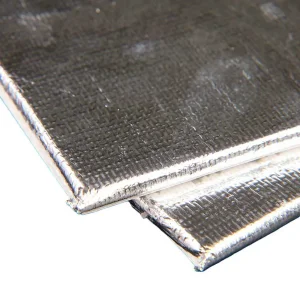
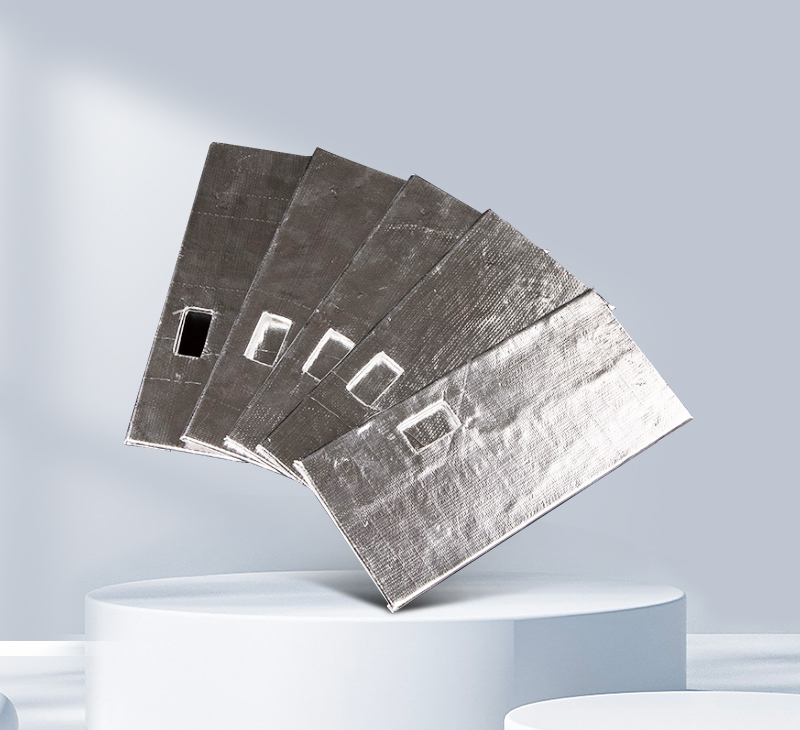
Specially engineered for lithium-ion battery packs, these thin thermal barriers combine high mechanical compression resistance with ultimate fire protection. By placing aerogel insulation sheets between adjacent battery cells, the rate of thermal runaway propagation is critically contained. This ensures safe vehicle evacuation and minimizes the risk of catastrophic battery fires in electric vehicles (EVs).
Inter-cell safety barriers, battery enclosure liners, high-temperature busbar protection covers.
Advanced thermal insulation and carbon materials are critical to regional markets facing unique climatic, regulatory, and industrial conditions.
EV Battery Safety & Grid Storage
Driven by strict safety mandates (such as UL 9540A testing protocol) and rapid automotive electrification in the United States and Canada, local OEMs prioritize advanced aerogel barriers to prevent catastrophic cell-to-cell thermal propagation in multi-kilowatt traction battery arrays.
Net-Zero Construction & District Heating
EU energy regulations require deep energy retrofits. Vacuum Insulation Panels and hybrid silica aerogel blankets are heavily specified in dense urban sites where facade space is premium, as well as in subterranean district heating pipe networks to minimize distribution thermal loss.
Semiconductors & Industrial Systems
In highly industrialized hubs across Japan, South Korea, and China, ultra-thin aerogel thermal interface films are crucial for protecting delicate electronic assemblies, high-temperature manufacturing autoclaves, and power electronics from intensive thermal stresses.
Tested, validated, and optimized for extreme operational environments.
Detailed expert answers covering physical synthesis, processing, custom design, and volume procurement.
Select from our highly stable industrial aerogels, vacuum insulated systems, and specialized fire protection barriers.
Connect with Henan Jutao's dedicated engineering group today. Receive customized structural drawings, material datasheets, pricing quotes, or arrange R&D laboratory scale verification trials.
 JUTAO NEW MATERIAL