Select premium insulation cores and custom structural components designed to excel in cryogenic, subsea, and high-temperature environments.
Exploring the technical convergence of metallurgy and nanotechnology to prevent Corrosion Under Insulation (CUI) in extreme operating environments.
In modern petrochemical, offshore oil and gas, and heavy manufacturing sectors, the combination of mechanical durability and thermal integrity is paramount. Historically, metals and thermal insulation systems were sourced and installed independently, often giving rise to catastrophic failure mechanisms like Corrosion Under Insulation (CUI). Today, leading custom corrosion-resistant alloy suppliers are engineering integrated systems that couple high-performance alloys (such as nickel superalloys, titanium, and duplex stainless steels) directly with advanced nanoporous silica aerogels and vacuum barrier cores.
This structural convergence prevents moisture ingress—the primary driver of CUI—while providing an unprecedented thermal barrier. Whether transporting subzero liquefied natural gas (LNG) or containing high-pressure superheated steam, custom clad structures using corrosion-resistant alloy outer jackets protect the interior insulation matrix from mechanical stress, sea spray, and chemical attack.
As offshore wind farms, deepwater geothermal wells, and green hydrogen infrastructure scale globally, the procurement demands for corrosion-resistant alloys have shifted towards specialized customization. Standard grades of stainless steel often fall short under the mechanical stress and high chloride concentrations typical of marine and industrial applications.
Project developers now require alloys tailored with specific concentrations of Chromium, Nickel, Molybdenum, and Nitrogen to achieve higher Pitting Resistance Equivalent Numbers (PREN). To control costs and eliminate design redundancies, procurement departments are seeking strategic alliances with vertically integrated Chinese manufacturers capable of supplying both the high-performance structural alloy shells and the internal advanced aerogel insulation cores as single pre-fabricated assemblies.
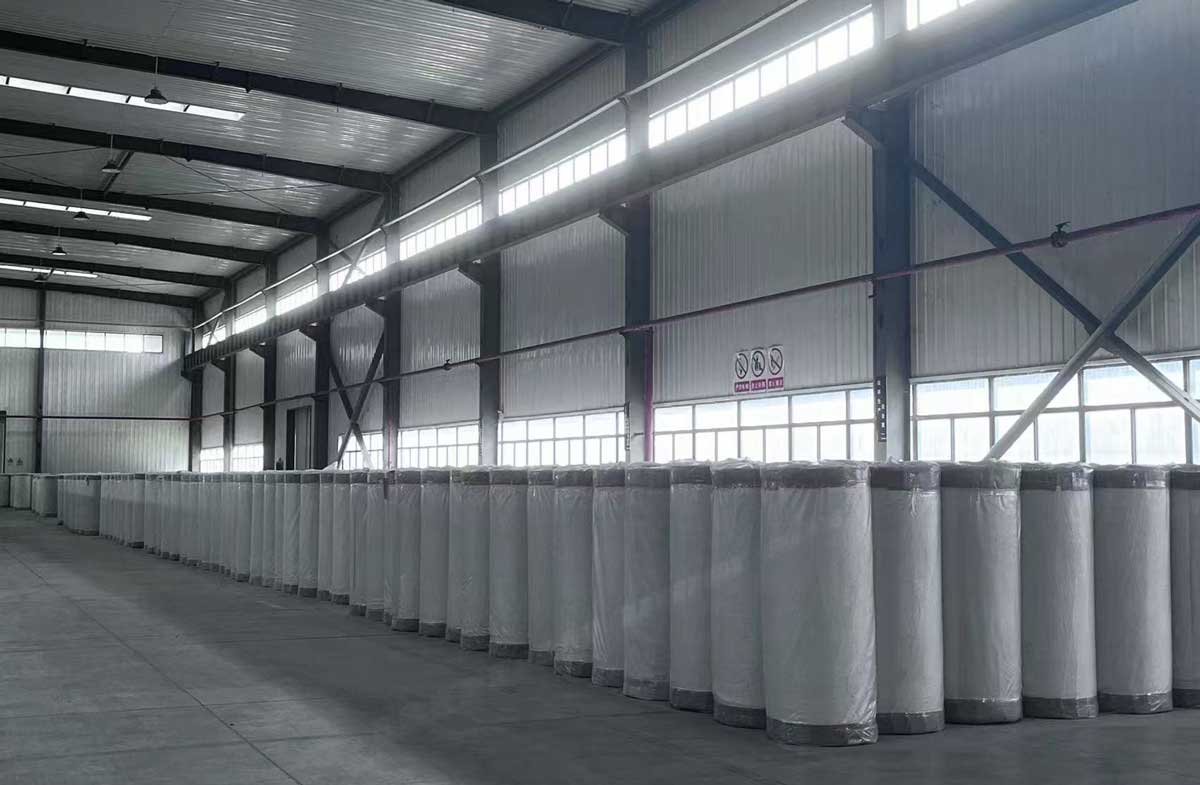
Henan Jutao New Material Co., Ltd. has been working for 10 years on thermal insulation solutions in Sustainability. We are the leading manufacturer and exporter of Aerogel material and Vacuum Insulation Panels, helping solve challenges in resource efficiency, electrification, and global carbon reduction. We are fully equipped to offer companies of any scale with unparalleled product support, metallurgical structural advice, and custom system design services.
We don’t just sell materials; instead, we are a knowledge-based provider backed by thousands of scientists, engineers, equipment technicians, application developers, and state-of-the-art laboratories dedicated to delivering tailored solutions for our customers from all over the world.
Leveraging automated laser cladding, real-time quality diagnostics, and lean logistics for unparalleled delivery speed.
By implementing Factory 4.0 IoT frameworks, our customized alloy laminates and aerogel layers are cut, assembled, and welded with micron-level accuracy. Robotic laser cladding provides uniform thickness and optimal grain boundaries, guaranteeing zero stress-corrosion cracking spots.
Our database bridges raw material processing with local inventories of Grade 316L, 904L, Duplex 2205, and Monel 400. This enables our design teams to draft custom specifications and begin metal cladding operations within hours of procurement clearance.
Utilizing high-frequency ultrasonic scanners and infrared thermal imaging cameras, every production batch is thoroughly verified. We measure thermal conductivity, weld penetration, and corrosion rate values to guarantee zero failures at site.
Providing dynamic customized engineering, rapid response logistics, and compliance with the most stringent global standards.
Custom Design Integration
We work directly with EPC contractors to engineer custom outer alloy sheets, internal VIP vacuum chambers, and aerogel composites tailored specifically for complex geothermal wells, pipeline geometry, and high-altitude processing structures.
24/7 Global Technical Support
Our dedicated technical customer support desk ensures that material questions, custom drawing edits, and supply chain adjustments are processed within 24 hours, keeping large-scale infrastructure projects on schedule.
Integrated Logistics Matrix
Through strategic agreements with leading maritime shipping routes and air freight services, we ensure all raw aerogel materials, custom VIP structures, and corrosion-resistant assemblies arrive on-site on time.
Discover how our products merge structural engineering with high-performance thermal materials.
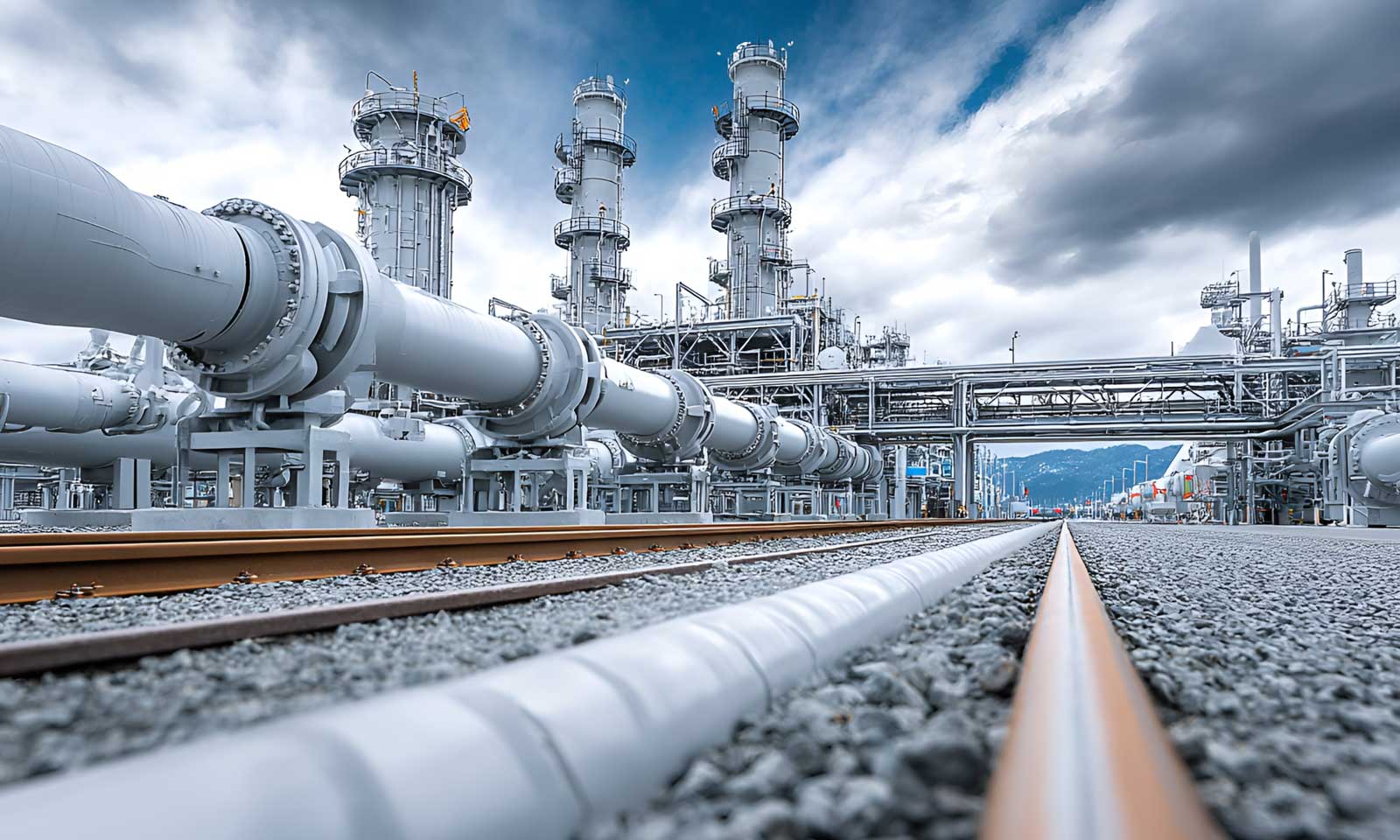
Key Feature: Lowest Solid Thermal Conductivity
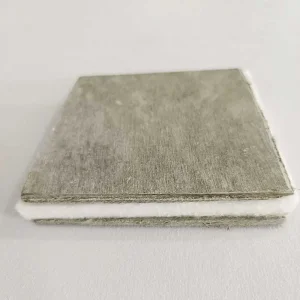
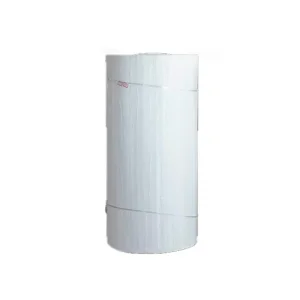
Widely applied in structural systems for ultra-thin wall, roof, and window isolation. Indispensable for subsea pipelines, chemical processing vessels, and industrial equipment to minimize energy loss, optimize space, and provide fire resistance.

Key Feature: R-Value Maximization
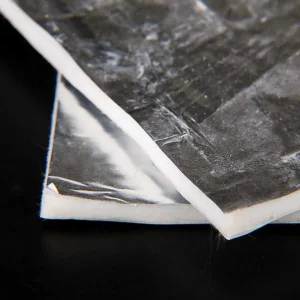
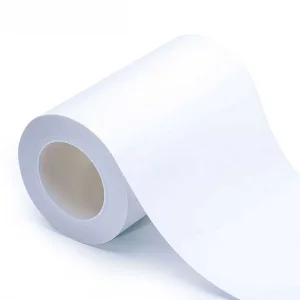
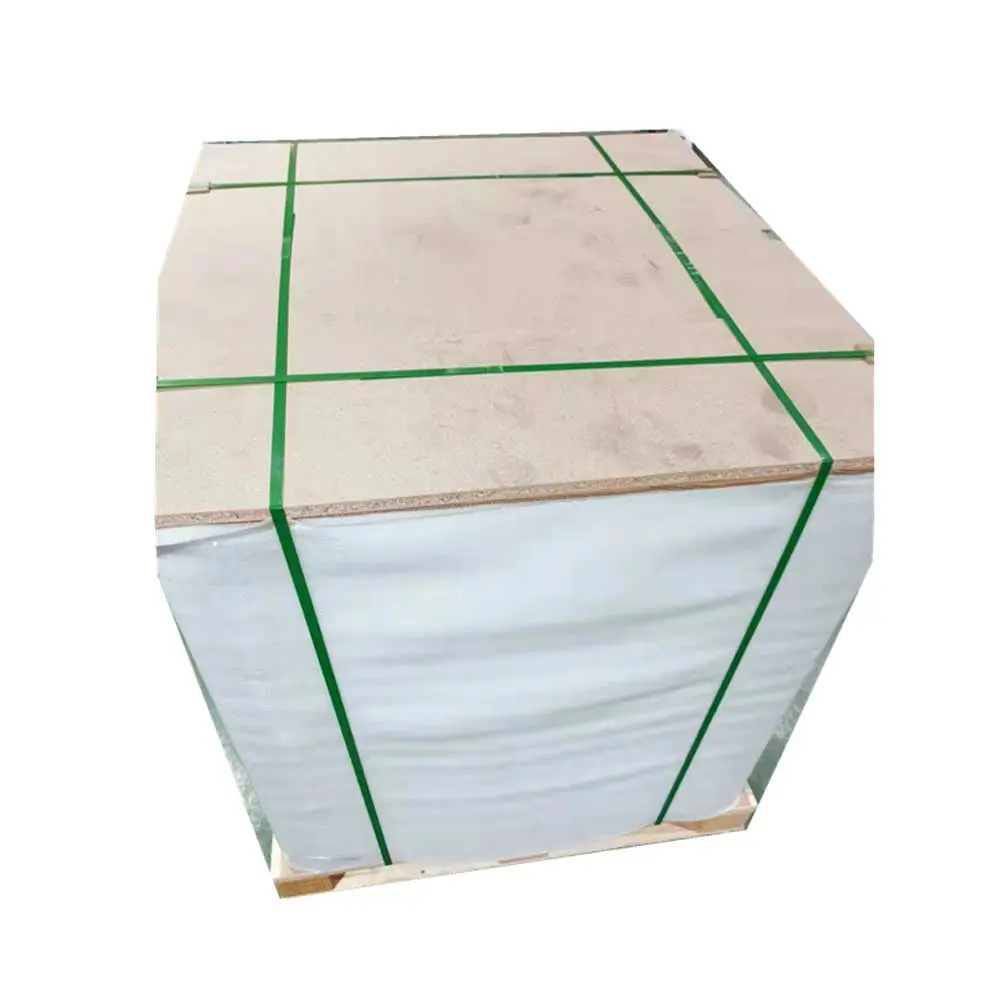
Composed of a highly porous core encapsulated in a gas-tight, multi-layer high-barrier membrane to sustain a vacuum state. Specially engineered for building facades, cryo-shippers, and refrigeration systems where insulation space is limited.

Key Feature: Battery Thermal Runaway Mitigation
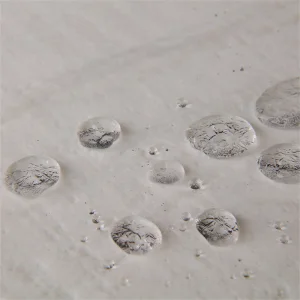
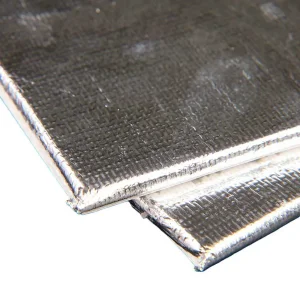
Ultra-thin, compression-resistant, and flame-retardant membranes for electric vehicle (EV) battery packs. Prevents cell-to-cell heat transfer during thermal runaway events, providing critical escape time and battery compartment containment.
From sub-freezing marine environments to ultra-high temperature manufacturing hubs, our materials deliver outstanding durability.
Marine environments present a harsh mix of salt-spray chloride deposition, high wind shear, and rapid temperature fluctuations. Applying standard protective wraps leads to swift structural oxidation. By cladding subsea pipes with custom corrosion-resistant alloys over a nanoporous aerogel core, offshore operators eliminate moisture-driven rust while keeping deep-sea crude oil above paraffin precipitation temperatures.
Liquid hydrogen and LNG logistics demand insulation capable of operating at cryogenic limits (-162°C to -253°C). Any thermal bridge causes fast boil-off gas issues. Combining vacuum insulation panels (VIPs) with thin corrosion-resistant containment skins allows manufacturers to reduce container wall thickness, increase cargo volume capacity, and withstand structural flexing during transportation.
Common inquiries regarding custom corrosion-resistant alloy sheets, aerogel materials, and application standards.
Select high-performance silica powders, carbon matrices, and specialized protective panels for industrial integration.
 JUTAO NEW MATERIAL