 JUTAO NEW MATERIAL
The Evolving Landscape of Industrial Thermal Management
The global demand for high-efficiency, Class-A fire-resistant materials is witnessing an unprecedented surge. As international building codes tighten under environmental frameworks like the EU's Green Deal and North America's Net-Zero initiatives, traditional thermal insulation options (such as polyurethane foam, expanded polystyrene, and mineral wool) are falling short. They either pose severe combustion risks or require excessive thickness to achieve required R-values.
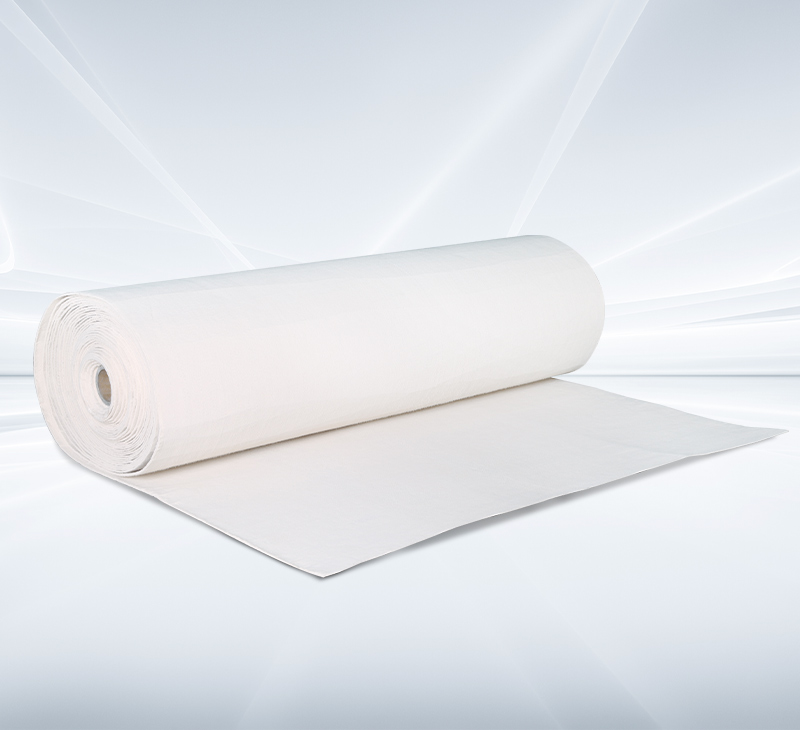
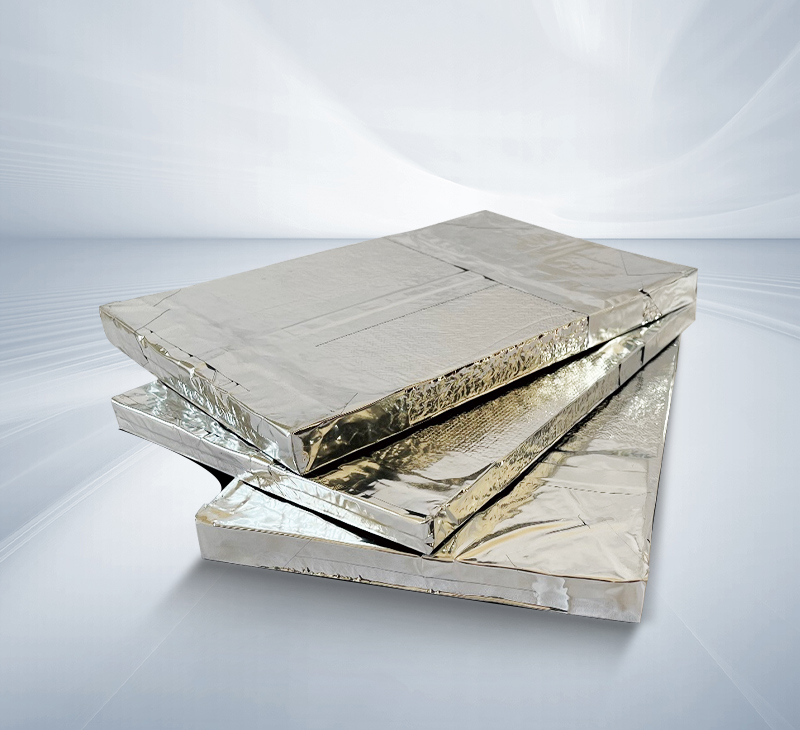
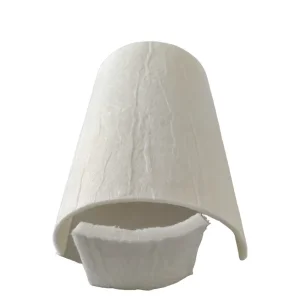
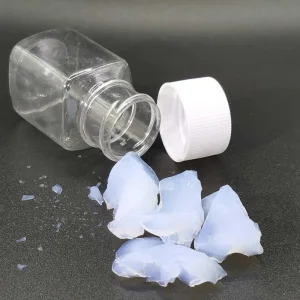
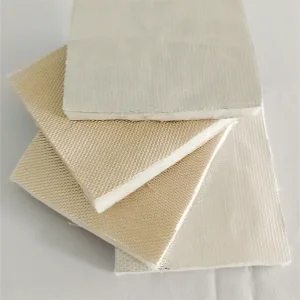
In high-stakes industrial arenas—spanning aerospace engineering, deep-sea oil exploration, cryogenics, and the rapidly growing electric vehicle (EV) sector—space is at an absolute premium. Nanoporous materials, specifically silica and carbon aerogels alongside modern vacuum insulation panels (VIPs), are emerging as the ultimate solution. By offering thermal conductivities as low as 0.012 to 0.018 W/m.K (and down to < 0.005 W/m.K in a vacuum state), these advanced structures deliver up to five times the thermal performance of conventional insulators, while simultaneously serving as high-temperature fire barriers.
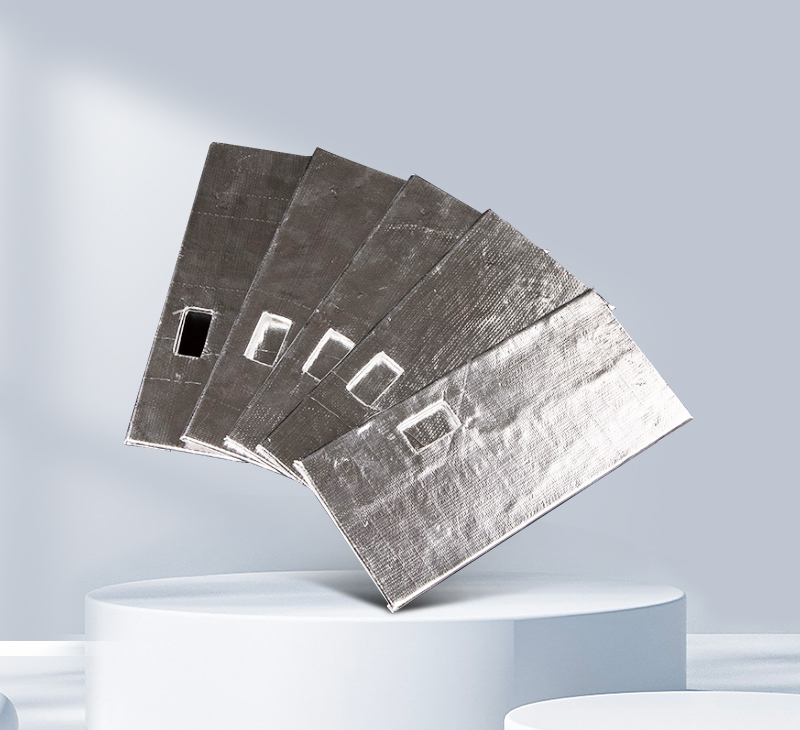
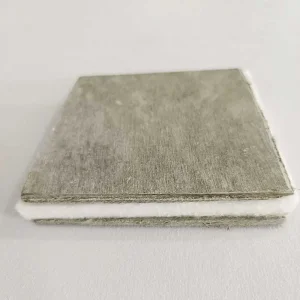
Today, thermal engineers focus heavily on "thermal runaway protection." In EV lithium-ion battery packs, preventing cell-to-cell thermal propagation is crucial. The implementation of thin-profile carbon and silica aerogels acts as an indispensable defense line, keeping adjacent battery cells isolated even during extreme mechanical or electrical abuse.