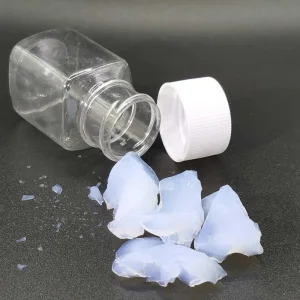
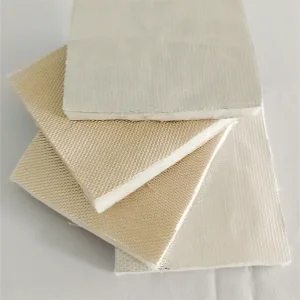
Integrate our precision-manufactured aerogel strips, thermal barriers, and insulation panels directly into prefabricated wall matrices and building modules.
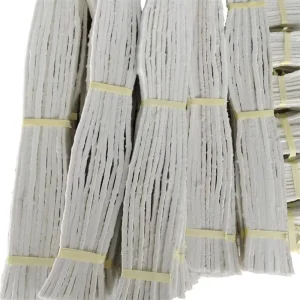
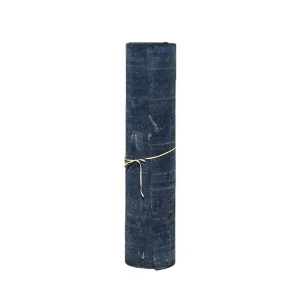
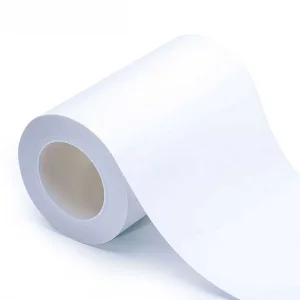
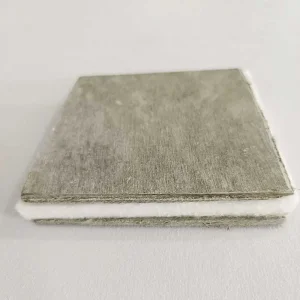
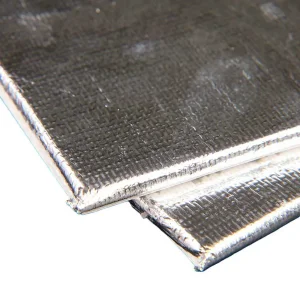
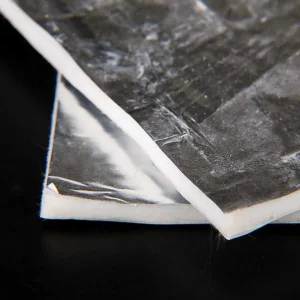
The shift toward off-site volumetric manufacturing represents the most critical evolution in the modern construction sector. Yet, as developers and modular project engineers scale up production, they face a classic structural conflict: satisfying rigid thermal compliance regulations (such as Net-Zero directives, Passive House, and ASHRAE 90.1) without compromising internal floor space. Traditional mineral wool or rigid foam panels demand significant thickness to achieve targeted U-values, which physically encroaches upon high-value real estate margins in urban modular installations.
By integrating next-generation material science—namely nano-porous silica aerogels and core-matrix vacuum systems—directly into structural panels, modular builders can minimize envelope wall thickness by up to 60% while maintaining equivalent thermal resistance. As a leading wholesale manufacturer and supply partner, Henan Jutao New Material Co., Ltd. resolves the structural challenges of off-site engineering through highly durable, thermally decoupled building panel systems designed for high-throughput assembly lines.
Henan Jutao New Material Co., Ltd. has spent over a decade designing thermal insulation solutions focused on sustainability and carbon footprint reduction. We operate as a premier global developer, manufacturer, and exporter of Aerogel compounds, customized insulation blankets, and Vacuum Insulation Panels (VIPs).
Unlike standard material suppliers, we function as a knowledge-based provider. Our infrastructure is backed by thousands of chemical scientists, application engineers, system integrators, and industry experts operating state-of-the-art testing laboratories. This scientific depth enables us to deliver tailored, project-specific insulation designs for modular structures, EV battery containment modules, deep cold-chain systems, and complex aerospace arrays.
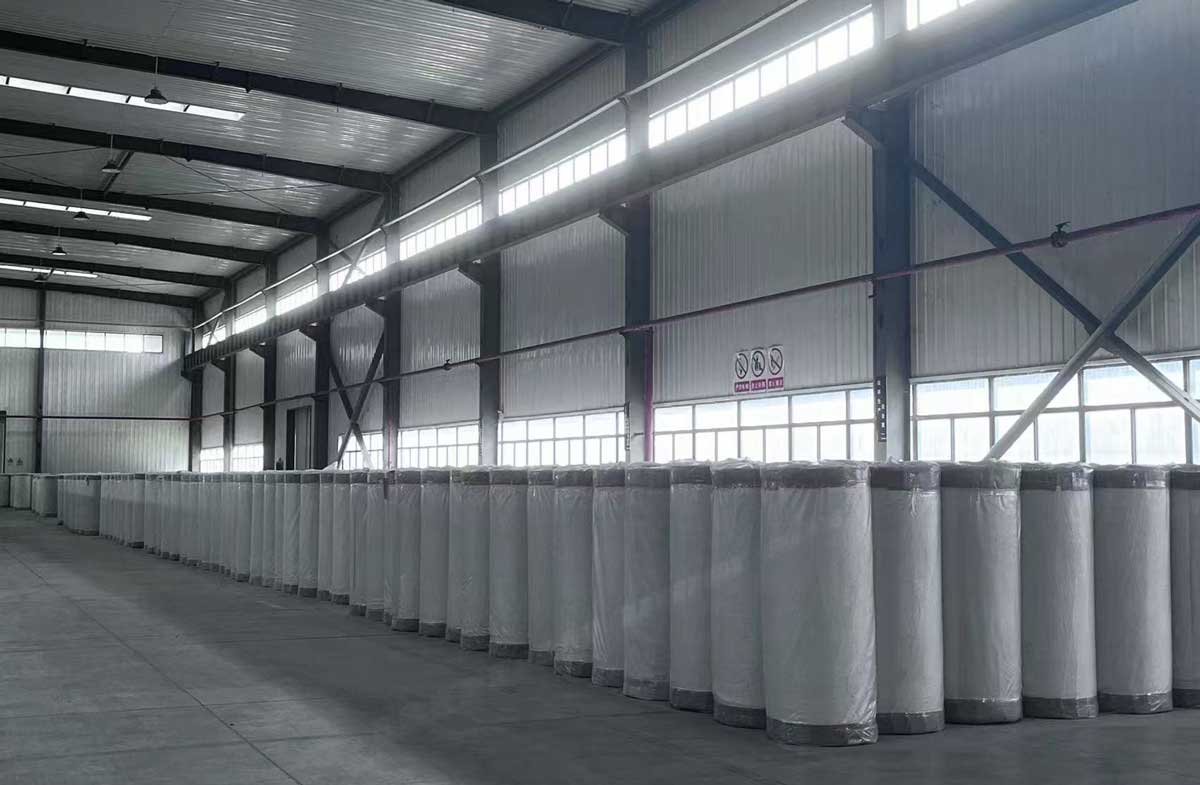
Our operational model is built to support the high-demand requirements of modular construction factories and commercial contractors globally.
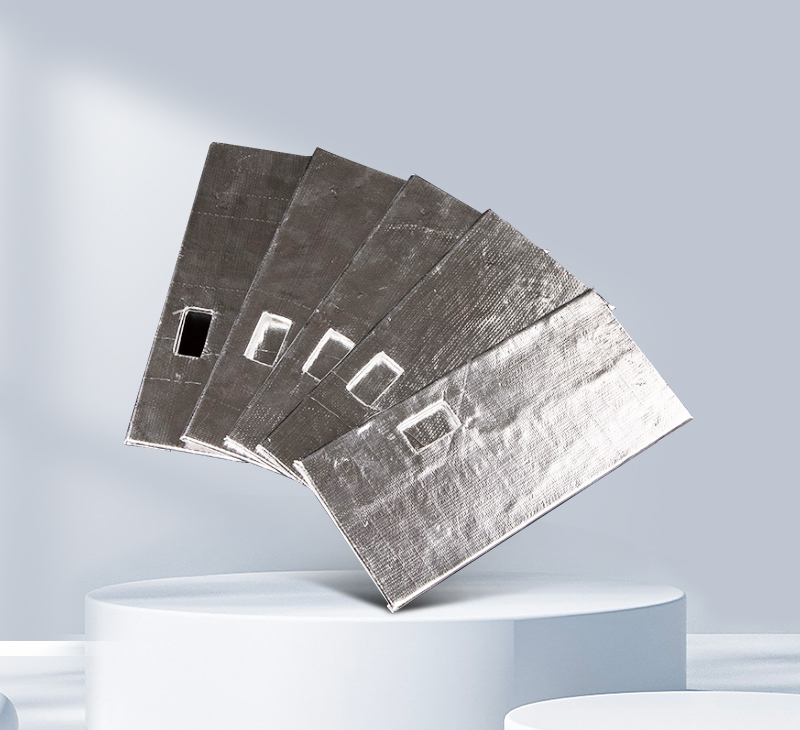
We customize sandwich panel core matrices, custom-cut aerogel strips (JTStrip Series), and VIP profiles matching the exact dimensions of your volumetric frames. This ensures a seamless mechanical fit and prevents gaps in the envelope.
Our dedicated team of product application engineers offers technical guidance within 24 hours. We evaluate your architectural shop drawings to recommend the optimal thickness configuration, balancing R-value requirements against budget caps.
Through our robust logistics network and compliant packaging solutions, we guarantee reliable lead times. Our cargo shipping methods ensure that delicate vacuum panels are delivered without vacuum loss or physical damage.
The construction industry accounts for nearly 40% of global energy-related carbon emissions. This footprint is split between operational carbon (heating and cooling) and embodied carbon (materials and assembly phases). Volumetric modular construction directly targets these inefficiencies by optimizing the supply chain and minimizing material waste. By shifting the manufacturing process from unpredictable outdoor jobsites to controlled factory floors, structural quality control is greatly enhanced.
However, traditional insulation materials like expanded polystyrene (EPS) or fiberglass blankets are poorly suited for high-throughput factory assembly. Their low structural rigidity and high bulk make handling inefficient and increase structural footprint requirements. In contrast, integrating thin, high-performance materials like Jutao's Vacuum Insulation Panels (VIPs) or Silica Aerogel blankets allows fabricators to create high-efficiency building envelopes. These advanced materials help developers achieve green certifications like LEED, BREEAM, and Passive House standards without sacrificing valuable floor space.
A closer look at the key technologies we engineer to meet demanding thermal, space, and safety specifications.

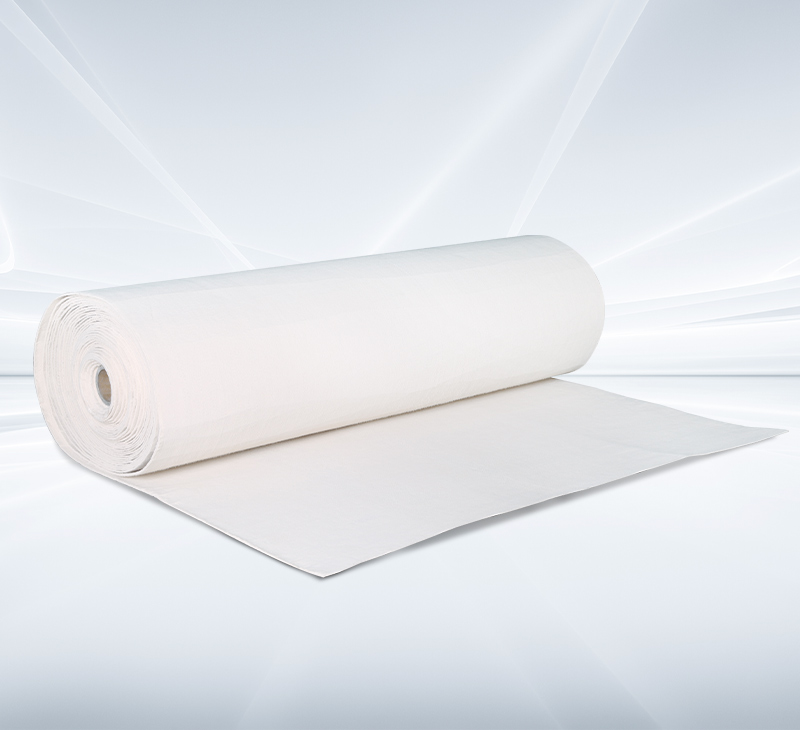
Aerogel insulation is widely recognized as one of the lightest solid materials on Earth. In modular construction, it is applied in ultra-thin wall assemblies, roof joints, and window frame assemblies. Its nanoporous silica matrix provides thermal resistance at extreme high or low temperatures, making it a reliable barrier for industrial equipment, piping, cryogenic tanks, and EV battery packs.

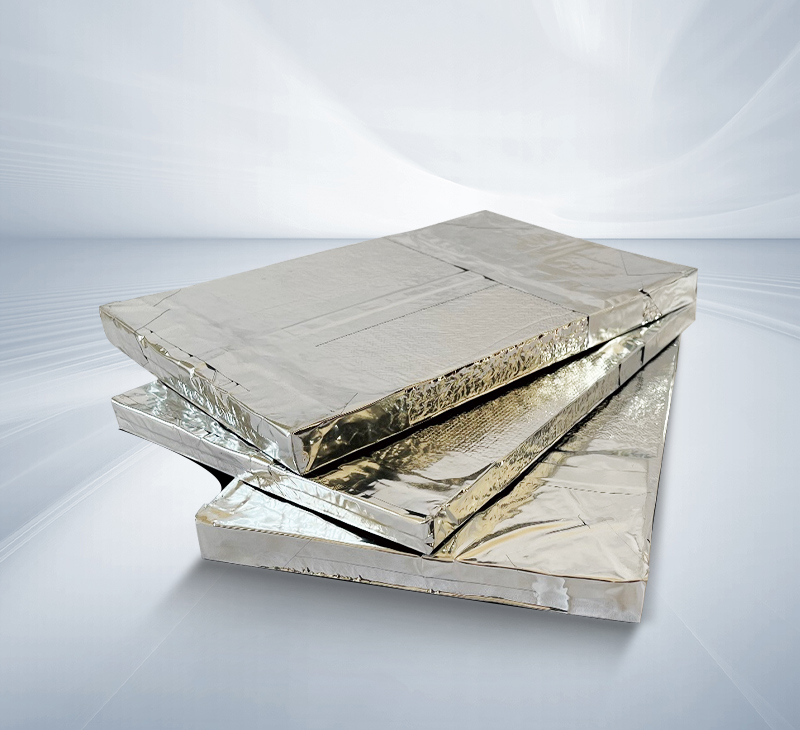
Composed of a highly porous core material enclosed within a multi-layer gas-tight barrier envelope, our VIP systems are evacuated to eliminate gaseous heat transfer. This achieves thermal conductivity ratings down to 0.005 W/m.K. These panels are ideal for modular walls, floors, roofs, facades, and commercial cold storage solutions.

Designed to meet the demands of modern energy storage systems, our aerogel barriers prevent thermal runaway propagation in EV battery packs and battery storage enclosures. Their thin, compressible design acts as a thermal buffer between cells while offering excellent fire resistance, helping to keep battery storage systems safe and compact.
In high-density cities, thin wall designs are key to maintaining rentable interior square footage. Jutao's vacuum insulation panels are integrated directly into structural framing, allowing developers to meet energy codes with thin, high-performance exterior walls.
Cold-storage structures rely on consistent, reliable thermal performance. Our VIP layouts and structural sandwich panels maintain stable internal temperatures while lowering operational energy consumption and minimizing cold-bridge points.
Packaged battery energy storage systems (BESS) require robust thermal management to mitigate fire risks. Our carbon aerogel barriers are installed between cells and modular racks to isolate heat and suppress potential thermal runaway propagation.
Meeting local building regulations is critical for modular systems shipping internationally. Every component we manufacture undergoes extensive testing to comply with regional and international codes, including ASTM, EN, and ISO standards. This verification helps streamline building inspections and product certifications on-site.
Our aerogel insulation materials and structural sandwich panels are tested to meet Class A fire ratings, satisfying the strict life-safety codes of commercial high-rises and battery storage installations. Our VIPs also feature high-reliability multi-layered film casings to prevent gas permeation, ensuring long-term insulation performance that matches the typical service life of building structures.
Over the next decade, building regulations will continue to prioritize lower carbon emissions and higher efficiency. Our R&D team is focused on developing hybrid composite systems that integrate aerogel materials directly into load-bearing panels. This approach simplifies installation on volumetric modular production lines by combining structure and insulation into a single step.
We are also working to incorporate more bio-based and recycled silica sources into our aerogel compounds. This focus on sustainable chemistry helps reduce the embodied carbon of our insulation products, supporting the circular economy goals of the green building sector.
Answers to common technical questions about integrating advanced aerogels and VIPs into modular building envelopes.
A comprehensive overview of our insulation products, built to withstand demanding conditions across building and industrial projects.
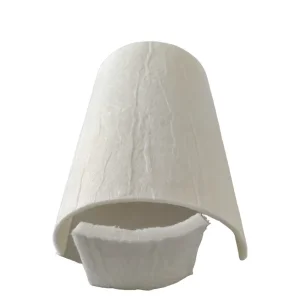
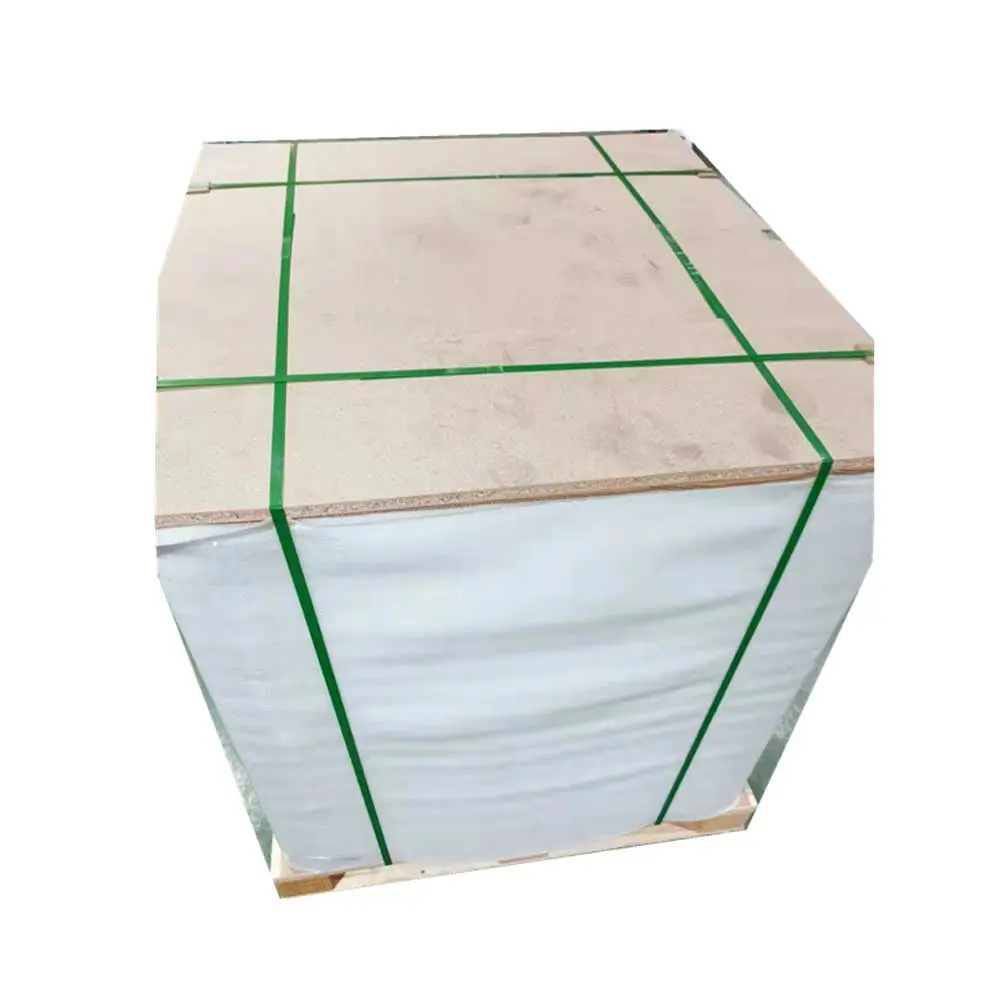
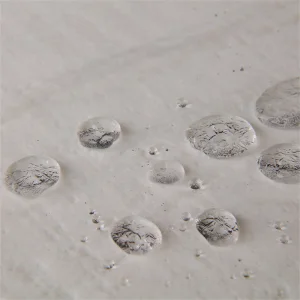
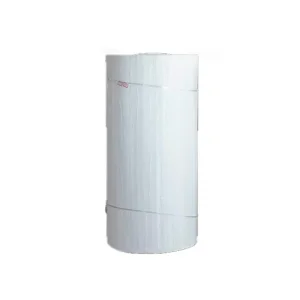
Our solutions combine lightweight design with robust thermal resistance to meet demanding insulation requirements.
 JUTAO NEW MATERIAL