Explore our leading-edge polymer-hybrid aerogels and vacuum insulation components engineered for aerospace, battery safety, and industrial sectors.
The convergence of macromolecular polymer blending with nanostructured silica matrices is redefining modern insulation dynamics.
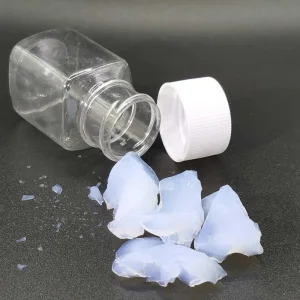
In the rapidly evolving material science sector, traditional insulation substances are falling short of meeting modern structural and safety demands. The integration of polymer blends with advanced porous materials represents the cutting edge of industrial thermal barriers. Polymer blending is the physical or chemical combination of two or more distinct polymers to yield a material with custom performance parameters—combining mechanical elasticity, high chemical resistance, and lightweight structural properties. When integrated into aerogel production, these polymer blends act as structural templates or reinforcing agents, mitigating the inherent brittleness of pure inorganic silica networks.
"By aligning advanced polymer matrix cross-linking with nanoporous silica synthesis, Henan Jutao New Material Co., Ltd. delivers composite architectures featuring thermal conductivity coefficients down to <0.018 W/m.K, delivering unrivaled performance in extreme industrial environments."
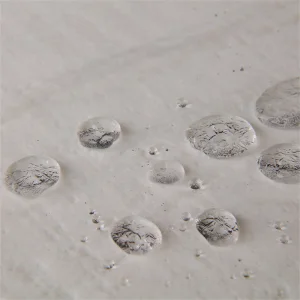
This synthesis utilizes the unique properties of polymer components to form a hybrid interpenetrating network (IPN). These polymer-aerogel hybrids limit convective heat transfer via the Knudsen effect, where the average pore diameter of the substrate is smaller than the mean free path of air molecules. The result is an ultra-thin, structurally stable barrier suited for heavy-duty applications, ranging from electrical vehicle (EV) battery systems to subsea cryogenic pipeline networks.
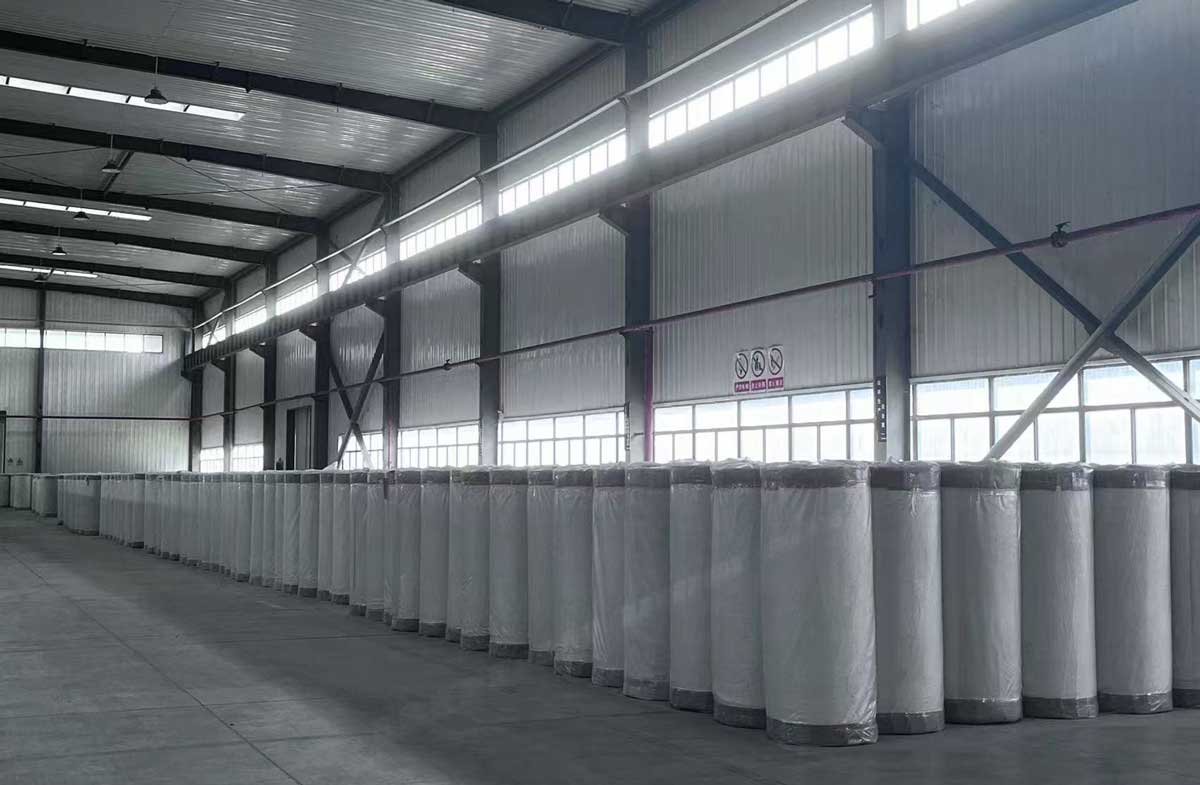
Henan Jutao New Material Co., Ltd. has dedicated a decade to developing high-performance thermal insulation and advanced polymer blend materials. Positioned at the intersection of material science and environmental responsibility, we serve as a premier manufacturer and exporter of silica aerogels, vacuum insulation panels (VIP), and customized composite barriers.
We operate not merely as a production facility, but as a knowledge-driven partner. Backed by thousands of scientists, material engineers, advanced application testing labs, and state-of-the-art manufacturing facilities, we deliver custom-engineered solutions for clients globally.
Mission Statement:
To provide green, high-quality, and robust composite materials that improve the human living environment, optimize energy distribution, and elevate structural life safety.
Years of R&D Excellence
Thermal Conductivity (W/m.K)
Non-Combustible Fire Rating
Years VIP Design Service Life
Decarbonization, regulatory compliance, and extreme thermal parameters are shaping the next generation of materials.
Across the globe, industrial sectors are facing pressure to optimize resource efficiency. With the European Union's Green Deal and the global push toward Net-Zero emissions, traditional polyurethane foams and fiberglass matrices are becoming insufficient due to space limits and environmental profiles. High-performance polymer blends and inorganic aerogel composites provide a solution, offering excellent insulation within compact footprints.
In the automotive sector, the transition to Electric Vehicles (EVs) has made battery safety a priority. Thermal runaway prevention demands materials that offer electrical isolation, high flame-retardant properties, and a low thermal profile. By blending elastic polymers with aerogel particles, we produce custom gaskets and thermal barriers that fit between cells to prevent catastrophic cascading failures.
In building facades and civil structures, the demand for thinner, highly insulated walls is driving the adoption of Vacuum Insulation Panels (VIP). Traditional insulation requires thick assemblies to achieve high R-values, which reduces rentable interior floor space. Our VIP solutions provide high R-values with minimal thickness, keeping architectural configurations thin while meeting building energy codes.
Our commitment to providing a seamless integration pathway for engineers and project managers.
We work with your engineers to design custom polymer blend ratios, physical sizes, thicknesses, and specialized composite configurations to meet your thermal specifications.
Our dedicated technical support team ensures comprehensive feasibility reviews, physical model analyses, and custom price quotations are delivered promptly.
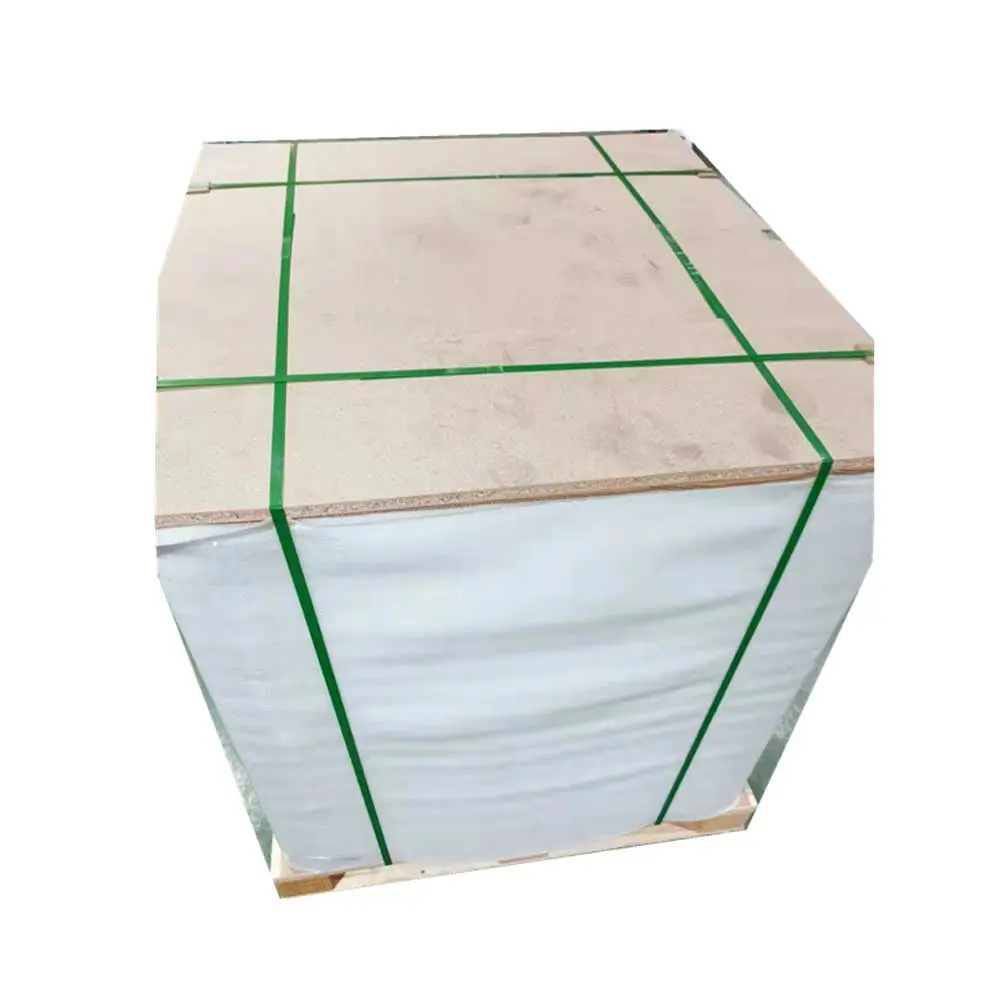
Supported by robust supply networks, we offer secure packaging, international customs clearance documentation, and reliable global delivery timelines.
A deep dive into our core product groups and their engineering properties.
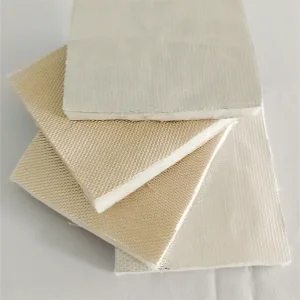
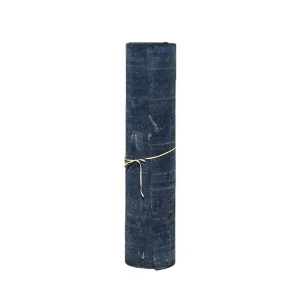
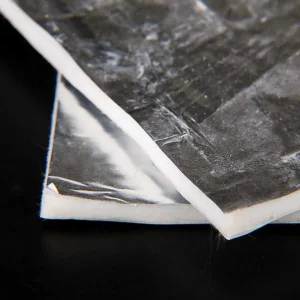
Combining low-dust nanoporous silica aerogel with flexible fiber reinforcement. Designed for applications requiring high thermal resistance and a flexible form factor.
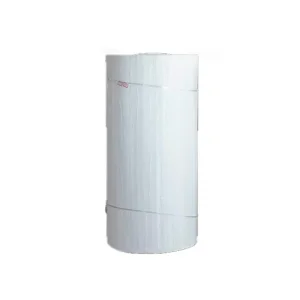
Our Vacuum Insulation Panels feature a gas-tight envelope enclosing a core material evacuated of air. This design minimizes gas convection and conduction, delivering high thermal resistance at a fraction of the thickness of traditional materials.
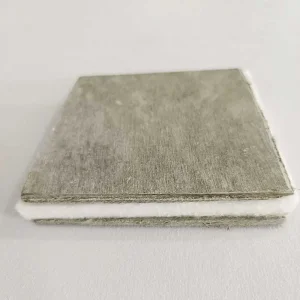
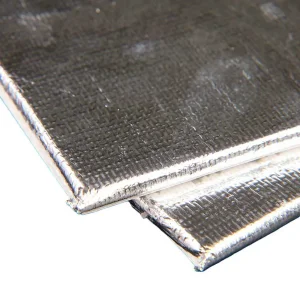
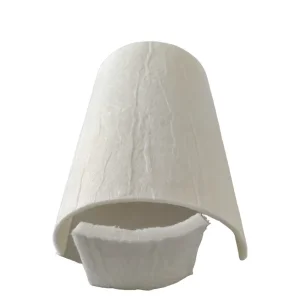
Specifically developed for electric vehicle lithium-ion battery modules. These thin, lightweight barriers insulate individual cells, helping to prevent thermal runaway and protect adjacent components.
Rigorous quality control and compliance protocols for industrial systems.
Our manufacturing operations follow rigorous internal and external testing protocols. Every batch of polymer blend matrices and aerogel materials is evaluated to verify thermal conductivity, mechanical resilience, and fire classification performance. Using advanced thermal analysis instrumentation (such as heat flow meters and laser flash apparatuses), we verify the quality and consistency of our materials before dispatch.
Our products are certified to international standards. We comply with key environmental and safety frameworks, including the REACH and RoHS directives. Our thermal insulation blankets hold Class A fire certifications, complying with building codes and fire safety rules worldwide. Additionally, our VIP panels are tested for long-term gas barrier retention, helping them maintain their insulation performance over decades of operation.
Developing advanced insulation materials for next-generation industrial requirements.
Our current research focuses on developing polymer-aerogel hybrids with improved mechanical strength and lower environmental footprints. By using bio-based polymeric binders in our silica formulations, we aim to reduce the carbon footprint of our manufacturing process. These bio-based polymer networks reinforce the fragile silica structure, allowing us to produce thin, highly flexible aerogel films for portable electronic devices and wearable insulation.
Additionally, we are exploring polyimide-based aerogel matrices. Polyimide blends offer high thermal stability (often exceeding 300°C) and excellent mechanical durability without fiber shedding. These material systems are designed for high-performance aerospace structures and demanding automotive applications, where mechanical strength and stability at high temperatures are key.
Technical answers to common queries regarding polymer-modified aerogels and vacuum insulation.
Review our complete range of high-performance thermal insulation and structural composite systems.
Discuss your performance requirements with our engineering team. We support your projects with high-quality, green materials designed to reduce carbon footprint and improve energy efficiency.
Get In Touch JUTAO NEW MATERIAL