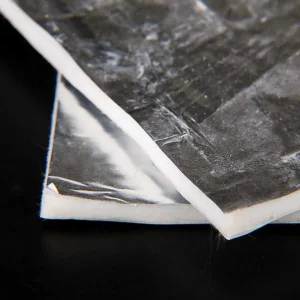
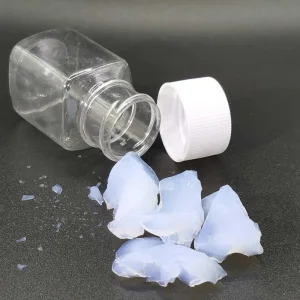
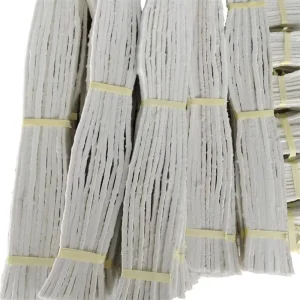
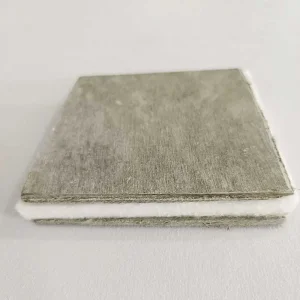
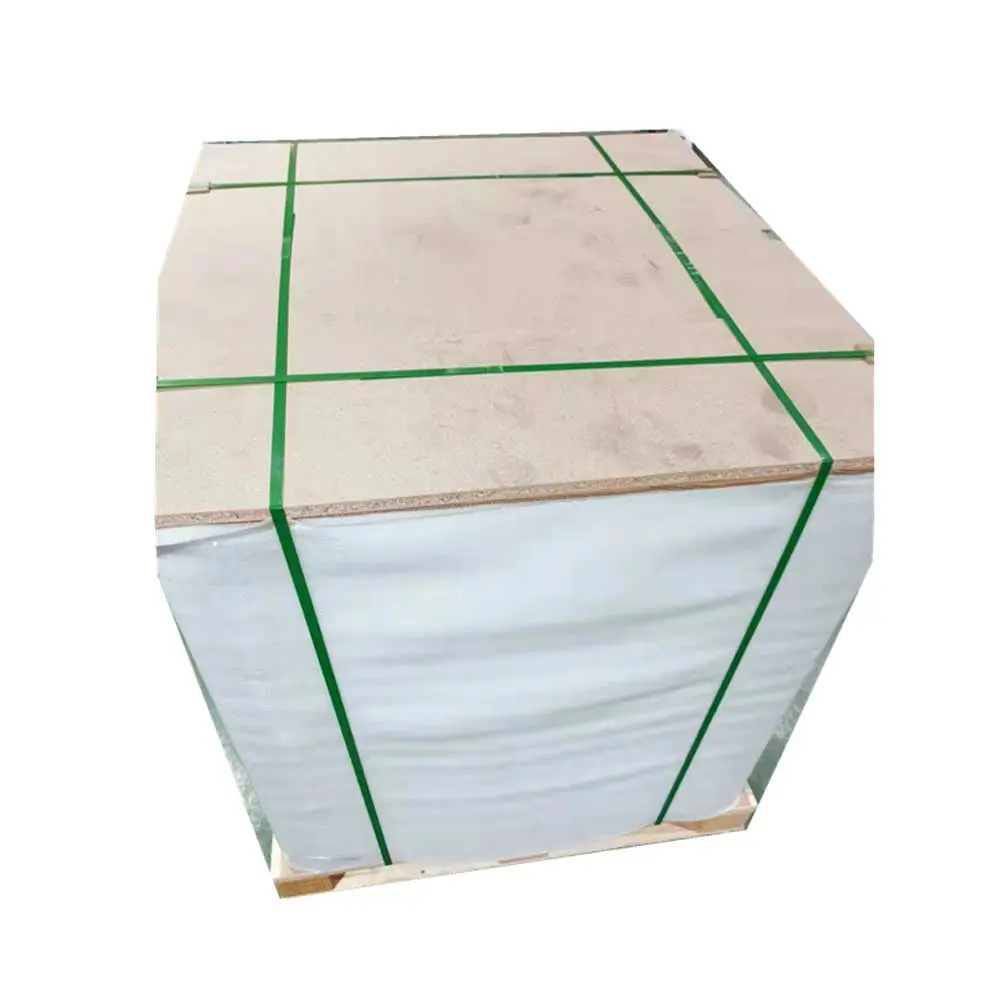
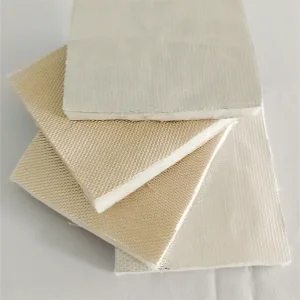
High-efficiency thermal insulation materials engineered to thrive in tropical maritime environments and high-heat processing plants.
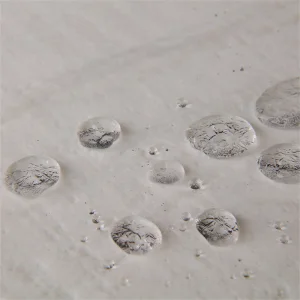
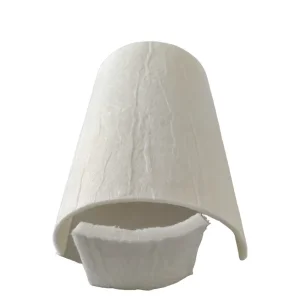
Optimizing thermal management and CUI protection in high-humidity Caribbean processing facilities.
Trinidad and Tobago stands as the leading industrial hub in the Caribbean, largely driven by its heavy reliance on oil, liquefied natural gas (LNG), ammonia, methanol, and petrochemical production. Locations like the Point Lisas Industrial Estate house world-class chemical synthesis plants, where extreme temperature processes dictate operational efficiency, employee safety, and systemic durability. In these highly demanding environments, conventional insulation systems (such as rock wool or polyurethane foams) frequently suffer from accelerated degradation due to the intense saline moisture typical of coastal Caribbean climates.
Corrosion Under Insulation (CUI) is a multi-million-dollar challenge for Trinidadian refineries. Aerogel’s nanoporous silica matrix is inherently hydrophobic, repelling liquid moisture while allowing water vapor to escape. This breathable barrier significantly decreases CUI rates compared to traditional fibrous insulation media, maintaining mechanical integrity even when exposed to salty sea breezes.
Furthermore, Trinidad and Tobago’s transition toward localized energy efficiency projects and decarbonization protocols requires materials that optimize space and weight, especially on offshore platforms operating in the Columbus Basin. Our silica aerogel insulation blankets provide thermal conductivities as low as 0.015 - 0.018 W/(m·K), allowing industrial designers to reduce insulation thickness by up to 75% while achieving superior thermal isolation. This space-saving profile yields significant cargo advantages for offshore pipelines, deck heads, and cargo vessels routing through Port of Spain and Point Fortin.
How advancements in nanomaterials are redefining high-performance thermal insulation globally.
The global aerogel market is undergoing rapid expansion, projected to reach over USD 2.5 billion by 2030. This growth is driven by massive infrastructure upgrades, stricter environmental policies, and the global acceleration of electric vehicle (EV) deployment. Silica aerogels, carbon aerogels, and metal oxide variants are transition technologies transforming clean energy grids. Vacuum Insulation Panels (VIPs), combining porous core matrices with high-barrier gas-tight membranes, are setting new parameters for cold-chain shipping, high-performance appliances, and zero-carbon building designs.
By engineering pore sizes smaller than the mean free path of air molecules (approx. 70nm), gas conduction is virtually eliminated.
Silica aerogels hit values as low as 0.015 W/m·K, while VIP panels achieve unmatched values below 0.005 W/m·K.
Class A non-combustible ratings guarantee high-level passive fire protection across refining, marine, and EV battery applications.
As corporate entities face strict ESG reporting mandates, the adoption of nanomaterials like aerogel is no longer optional. The material's long-term thermal retention prevents heat leakage in steam pipes, saving significant energy throughout decades-long operational lifecycles. Globally, energy-intensive industries are replacing legacy elastomeric and fiberglass products with aerogel composites to minimize environmental footprints while maximizing space efficiency.
Why sourcing from advanced Chinese facilities enables competitive positioning for Caribbean projects.
Sourcing advanced thermal barriers and silica aerogels from our specialized factory in China yields immediate economic and technological advantages for procurement teams in Trinidad and Tobago. Historically, the high costs of aerogel production restricted its use to high-budget aerospace projects. However, Chinese manufacturing ingenuity has commercialized supercritical drying technologies, scaling production volume while driving costs down to levels suitable for large-scale civil construction and industrial retrofitting.
Our logistical hubs in China guarantee optimized maritime shipping routes directly to the major ports of Trinidad and Tobago (Port of Spain and Point Lisas). By streamlining transport networks and providing export-grade crating, we ensure that premium aerogels arrive intact, dry, and ready for immediate deployment in petrochemical facilities.
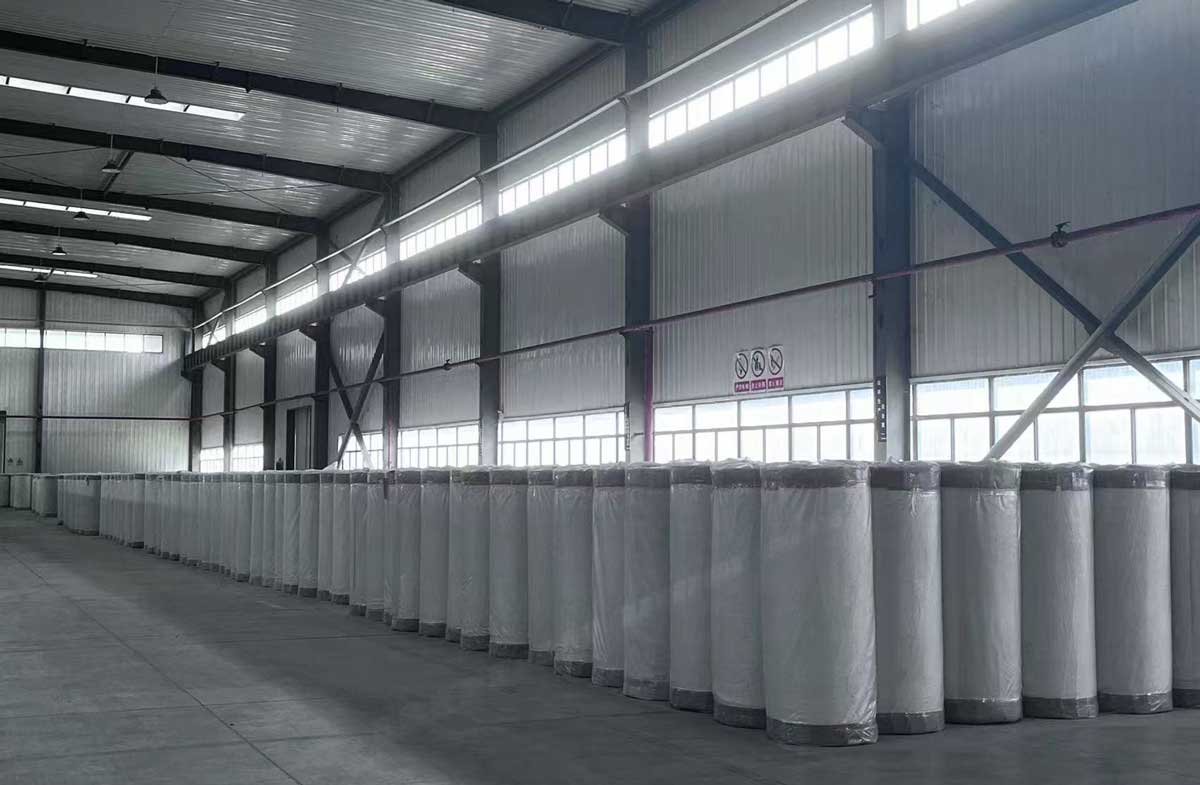
Henan Jutao New Material Co., Ltd. has been working for 10 years on thermal insulation solutions in Sustainability, we are the leading manufacturer and exporter of Aerogel material and Vacuum Insulation Panel to help solve challenges in resource efficiency, electrification, and sustainability. we are fully equipped to offer any size company with unparalleled product support and customer service.
We don’t just sell products. Instead, we are a knowledge-based provider backed by thousands of scientists, engineers, equipment, application and industry experts, and state-of-the-art laboratories dedicated to delivering tailored solutions for our customers from all over the world.
Driven by our core vision: Trust, Respect, Faith, High Standards.
Custom composite designs, dimensional adjustments, and foil backing configured for T&T marine and process environments.
24/7 technical inquiry processing. Dedicated engineers assist with calculation models and insulation performance predictions.
Streamlined global distribution channels matching logistics networks directly into Trinidadian sea freight hubs.
Detailed physical properties and application guidelines for our flagship insulation product lines.

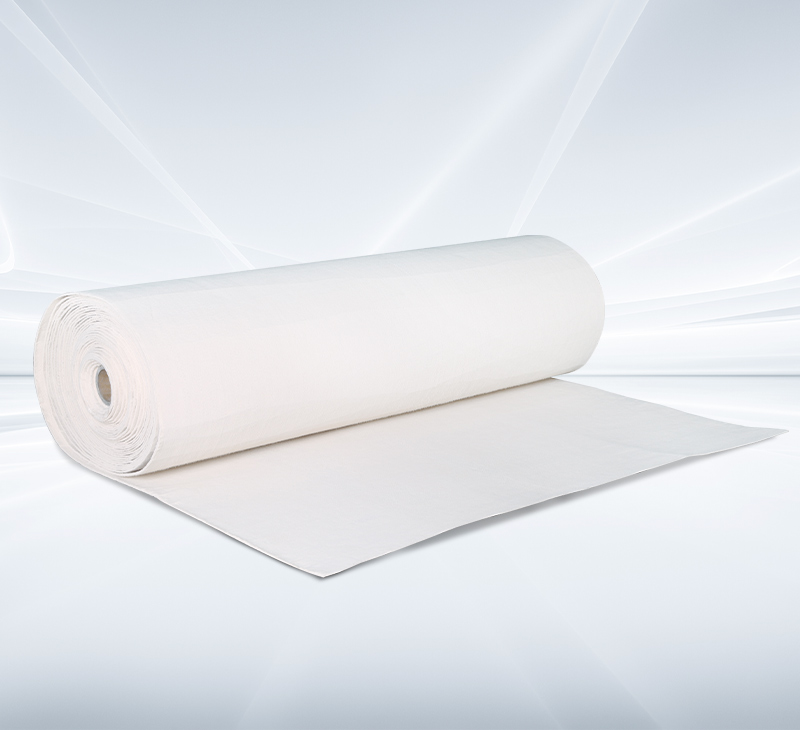
Aerogel insulation, a groundbreaking material known as the lightest solid on Earth, has been widely applied in construction for ultra-thin wall, roof, and window insulation; in industry for pipelines, tanks, and industrial equipment to save energy and improve safety; and in aerospace, automotive, and cryogenic systems to protect against extreme temperatures. It is also used in energy storage systems to prevent thermal runaway in EV batteries, as well as in specialized clothing and electronics.

Vacuum Insulation Panel (VIP), a highly efficient thermal insulation material composed of a porous core and a gas-tight membrane to create a vacuum, used in buildings for walls, floors, roofs, and facades to provide excellent insulation with reduced thickness. Also used in refrigerators to improve energy efficiency.

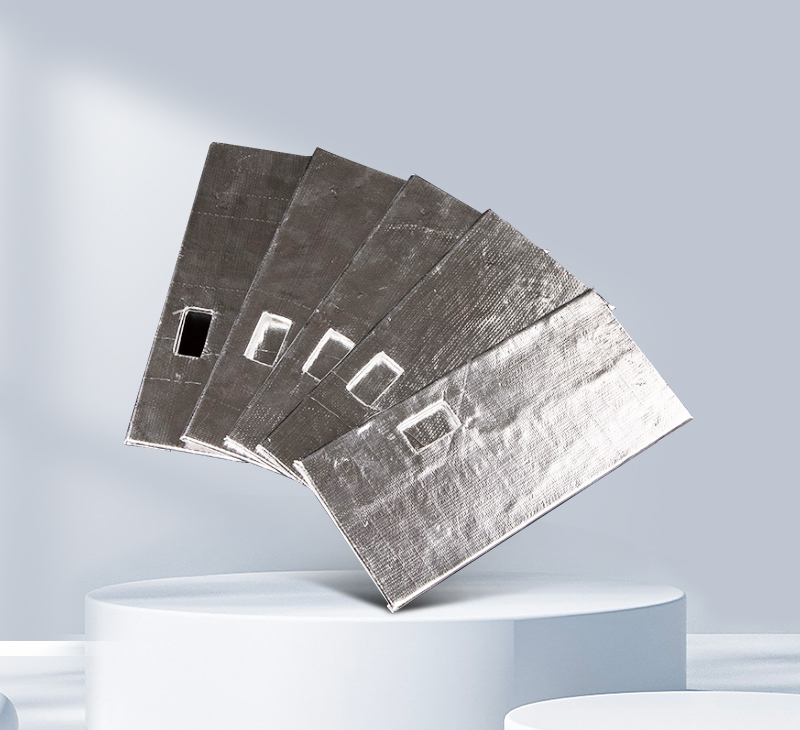
AEROGEL Thermal Barriers are ultra-lightweight, highly effective thermal insulator and fire-resistant barrier to prevent EV batteries thermal runaway and improve batteries’ safety and performance. Its nanoporous structure creates exceptional thermal resistance in a thin, compact form factor, which also allows for more space in the battery pack for energy storage. Key applications include insulating individual battery cells to stop heat transfer, acting as thermal barriers between cells and components, and lining battery enclosures for external protection.
Tailored installation methodologies for the Caribbean's primary industrial and commercial activities.
For subsea oil pipelines off the east coast of Trinidad, cold sea temperatures contrast sharply with hot hydrocarbons flowing from reservoir wells. Standard polyurethane coatings risk cracking or losing integrity over time. Silica aerogel blankets, wrapped directly around deepwater extraction pipes, maintain thermal profiles to prevent paraffin wax deposits and hydrate formation without adding bulky buoyancy issues.
Trinidad & Tobago is one of the world's leading exporters of methanol and ammonia. Production loops require extreme temperatures, containing superheated steam lines alongside cryogenic storage loops. Standard pipe cladding can lead to severe energy losses. By substituting mineral wool with aerogel blankets, facilities can significantly reduce energy waste, lowering emissions and maintaining optimal plant efficiency.
Maritime services operating out of Chaguaramas and Point Fortin require efficient thermal containment in cramped engine spaces. Aerogel barriers offer a space-saving alternative, maintaining cool surfaces on exhaust runs and bulkheads to protect crews and safeguard high-voltage shipboard electronics.
Commercial buildings in Port of Spain experience intense year-round solar heating and high humidity, placing a heavy load on AC networks. Vacuum Insulation Panels (VIPs) installed in building envelopes limit heat gain through walls and roofs. The thin panels preserve architectural square footage while reducing cooling costs by up to 35%.
Engineered products matching ASTM standards for safety, stability, and longevity.
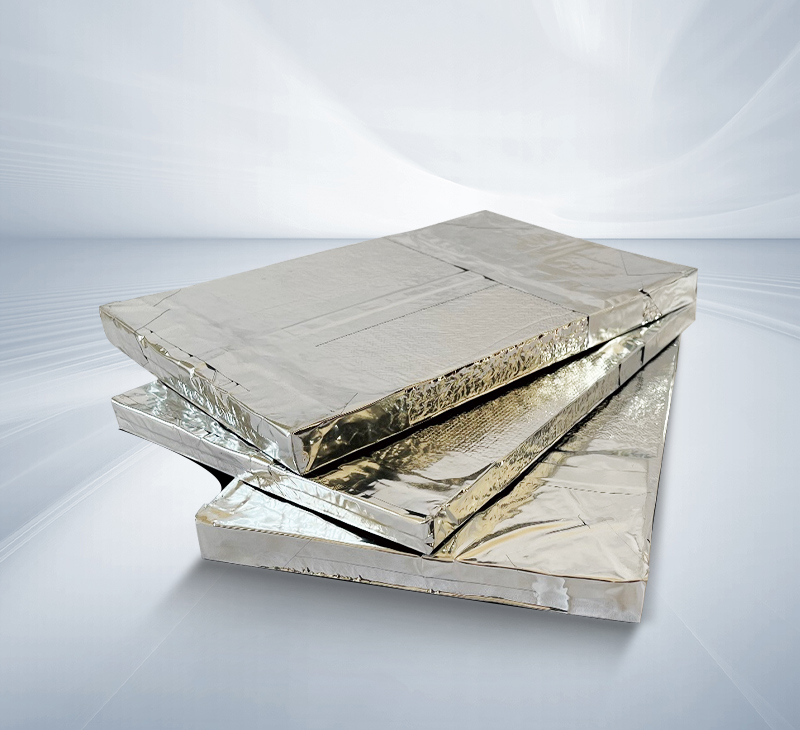
Technical clarifications on installation, mechanical endurance, and international logistics.
Explore our full line of insulation blankets, boards, films, and customized structural panels.
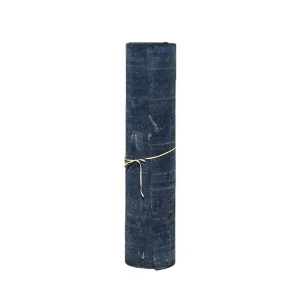
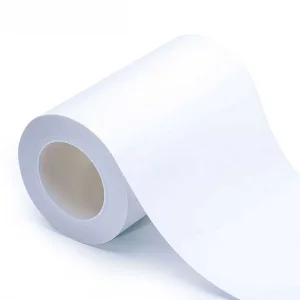
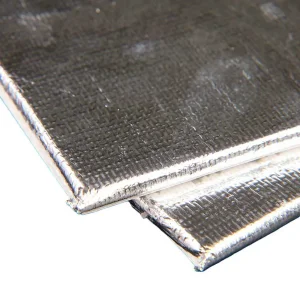
Our high-quality materials help to reduce carbon footprints, enhance energy efficiency, and build a more sustainable world. Contact our engineering team today for technical details, quotes, and sample requests.
 JUTAO NEW MATERIAL