Ultra-low thermal conductivity materials designed to withstand extreme tropical humidity, maritime salt-spray, and strict energy standards.
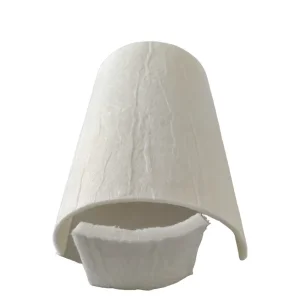
Specially customized thermal performance parameters optimized for Caribbean resort cooling envelopes.
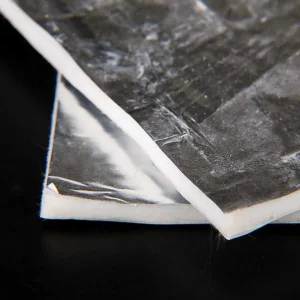
Engineered specifically for cryogenic lines, marine LNG storage, and complex HVAC pipeline operations.
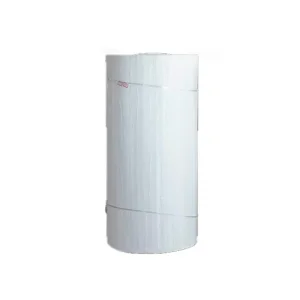
Customizable thickness configurations. High mechanical strength for harsh installation terrains.
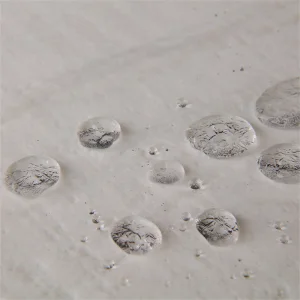
Cost-efficient mass production model delivering premium thermal resistance directly to Antigua port hubs.
Navigating Energy Transition, Marine Salinity, and Structural Resilience in Small Island Developing States (SIDS)
Antigua and Barbuda, situated in the heart of the Caribbean, represents a unique convergence of severe tropical climate challenges and progressive sustainable energy goals. With the government’s active commitment to reducing carbon footprints and increasing renewable energy integration, the efficiency of industrial, hospitality, and marine infrastructure has taken center stage. Traditional insulation materials (such as glass wool, polyurethane foam, and expanded polystyrene) struggle under the region's high relative humidity (often exceeding 80%), intense UV exposure, and heavy atmospheric salinity. Over time, these materials absorb moisture, leading to systemic structural decay, mold growth, and a drastic loss in thermal resistance value (R-value).
This is where Silica Aerogel becomes a transformative technology for the Antiguan and Barbudan market. Possessing a nanoporous structure that is over 95% air, aerogel blankets offer an extremely low thermal conductivity (below 0.018 W/m·K) while maintaining complete hydrophobicity. In coastal commercial applications like luxury resort envelopes, municipal buildings in Saint John’s, and industrial fuel terminals, aerogel serves as a permanent barrier against heat transfer. It mitigates the "cooling load penalty" of air conditioning units, directly translating to reduced demand on the local electrical grid.
In St. John's Harbor, English Harbour, and Jolly Harbour, maritime fleets and mega-yachts require thermal insulation capable of operating under highly constrained spatial parameters. Traditional materials require significant thickness to insulate engine manifolds and exhaust lines, which encroaches on critical vessel space. Furthermore, standard insulating fibers are prone to compaction due to wave-induced vibration, which degrades their thermal efficacy over time. In contrast, aerogel composites remain structurally stable under cyclic vibrations, provide Class A1 fireproofing, and protect critical compartments from heat signatures, making them the standard of choice for modern marine engineering in the Caribbean.
Why Aerogel and Vacuum Insulation Panels Outperform Traditional Insulation Materials
| Insulation Material Type | Thermal Conductivity (W/m·K) | Water Vapor Permeability / Hydrophobicity | Thickness Required for R-10 Value | Fire Classification (EN 13501) | Lifespan in Marine Coastal Environments |
|---|---|---|---|---|---|
| Silica Aerogel Blanket | 0.015 - 0.018 | Excellent (≥99.5% Hydrophobic) | ~40 mm | Class A1 / Non-combustible | 20+ Years (Zero degradation) |
| Vacuum Insulation Panel (VIP) | < 0.005 (Core) | Impermeable Barrier | ~12 mm | Class B / Fire Resistant | 15-20 Years (Depends on envelope) |
| Polyurethane Foam (PU) | 0.022 - 0.028 | Poor (Absorbs moisture over time) | ~60 mm | Class E/F (Highly flammable) | 5-8 Years (Degrades rapidly in heat) |
| Rock Wool / Mineral Fiber | 0.035 - 0.040 | Poor (High moisture absorption) | ~90 mm | Class A1 | 5 Years (Sags due to humidity) |
The exceptional insulation capability of silica aerogel is rooted in the Knudsen Effect. The pore diameter of our aerogel material is engineered between 20 to 50 nanometers. This is significantly smaller than the mean free path of air molecules at atmospheric pressure (which is approximately 68 nanometers). Consequently, gas molecules trapped inside the nanoporous silica matrix cannot collide with each other to transfer heat, thereby virtually eliminating gaseous thermal conduction. This nanostructural engineering ensures the lowest thermal profile achievable in a solid material, allowing engineers to design compact systems without sacrificing safety or thermal integrity.
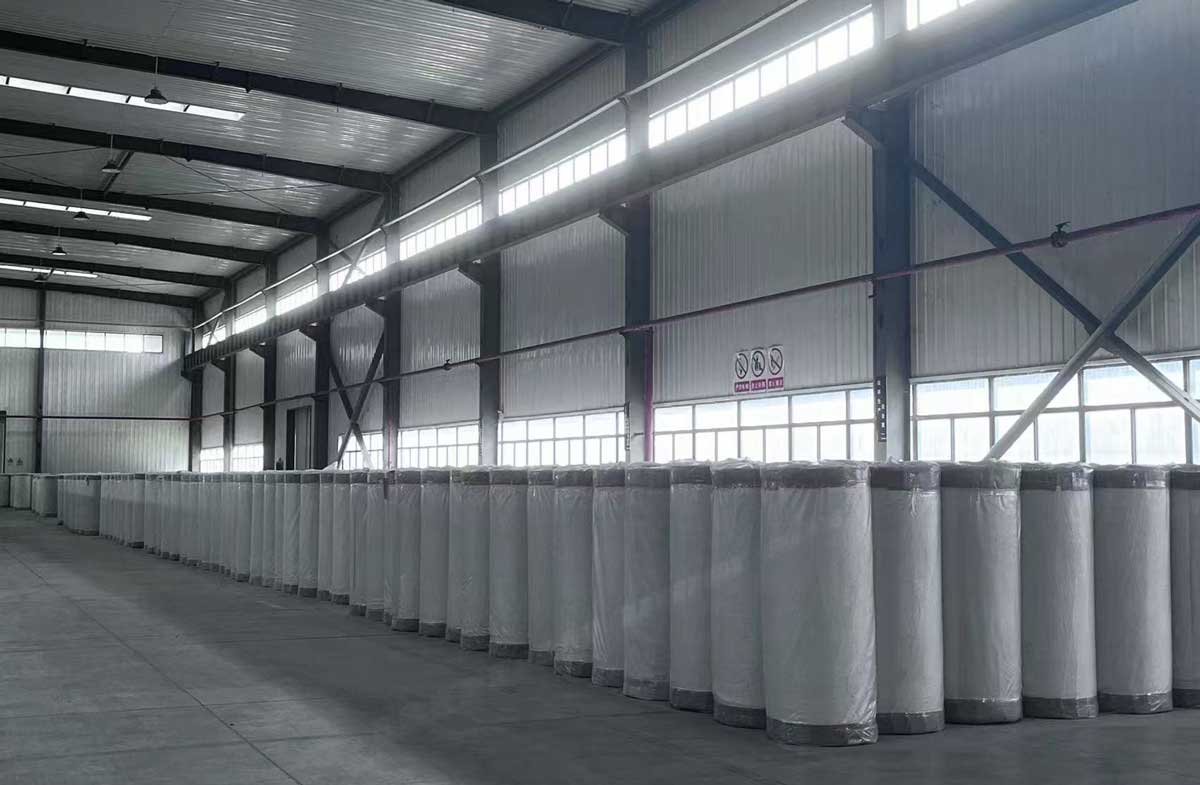
For over a decade, we have been working on thermal insulation solutions in Sustainability. We are a leading manufacturer and exporter of Aerogel material and Vacuum Insulation Panels to help solve challenges in resource efficiency, electrification, and sustainability. We are fully equipped to offer any size company with unparalleled product support and customer service.
We don’t just sell products. Instead, we are a knowledge-based provider backed by thousands of scientists, engineers, equipment, application and industry experts, and state-of-the-art laboratories dedicated to delivering tailored solutions for our customers from all over the world.
Advanced parameters that qualify us as the top supplier choice for developers and contractors in Antigua & Barbuda.
How Aerogel technology solves complex engineering issues across Caribbean sectors.
Engine rooms, exhaust conduits, and cabin insulation configurations designed to maximize space while providing sound dampening and complete non-combustibility in coastal saline environments.
Ultra-thin structural profiles for roofs and external facades, reducing HVAC power consumption by up to 40% in Antigua's high-temperature coastal developments.
Thermal security for pipelines, refineries, and storage depots. Ensures stable processing temperatures while preventing moisture intrusion and rust formation.
How Henan Jutao Leverages Advanced Automation to Guarantee Premium Quality at Scale
In the field of high-performance thermal barriers, consistencies in pore size distribution and density dictate the material's final insulation performance. Our Factory 4.0 infrastructure based in Henan utilizes highly automated supercritical drying ovens and continuous web-handling casting machines. This ensures that every roll of silica aerogel blanket or carbon-insulated panel conforms to standard thickness profiles and density parameters. By consolidating raw material processing and utilizing heat-recovery loops, we mitigate the carbon-footprint associated with the manufacturing cycle, aligning our processes with global sustainable development goals.
Integrate our specialized, certified high-tech solutions into your current or planned projects.
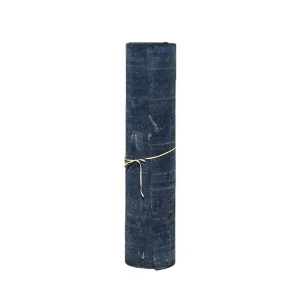
High-temperature safety barrier developed for EV battery pack fire containment and building envelope design.
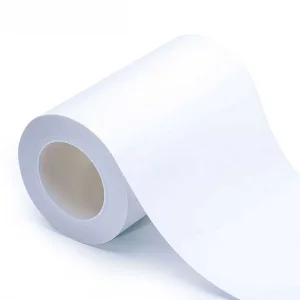
Ultra-thin interface layer providing thermal isolation for smart devices, marine instrumentation, and displays.
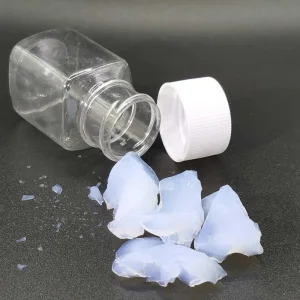
Additives for insulated coatings, plasters, and thermal renders used to optimize historic Caribbean masonry facades.
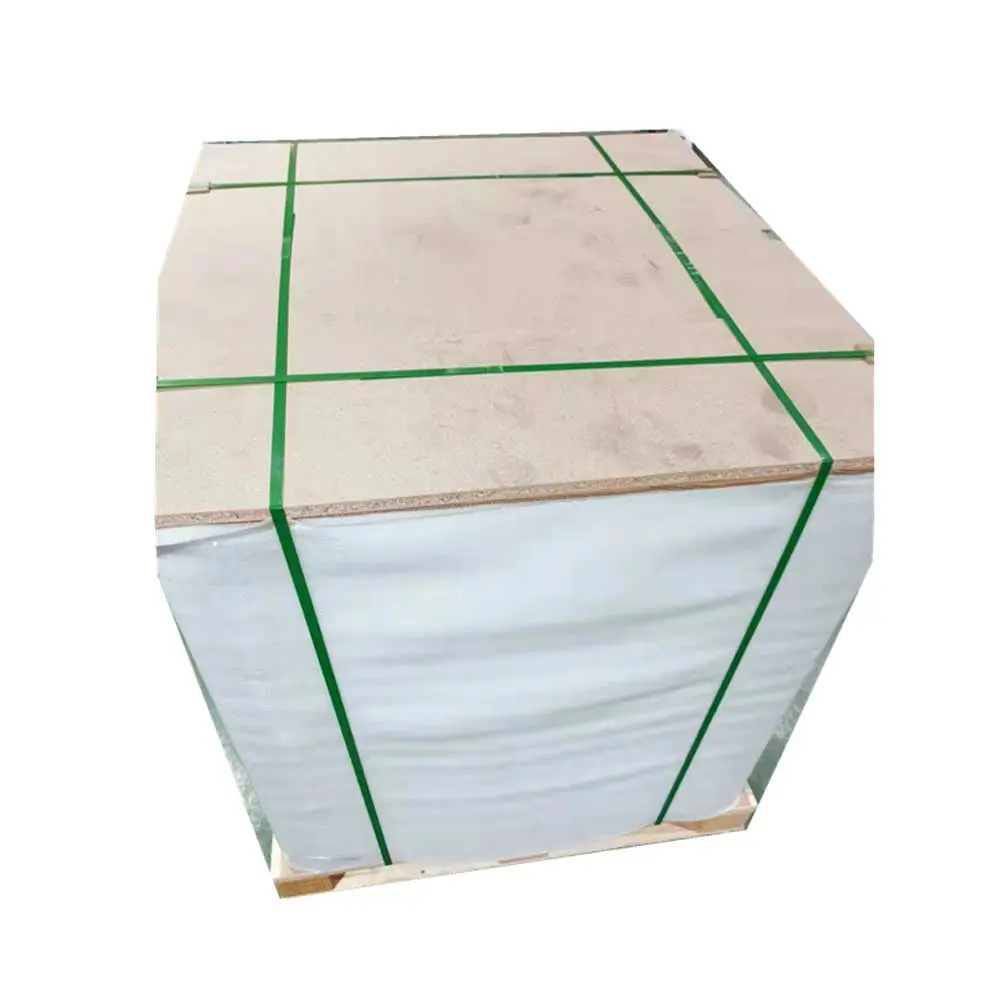
Ideal for refrigeration systems, cold chain logistics, and high-performance, thin architectural facades.
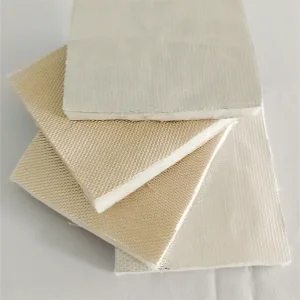
Rigid board reinforced with high-density glass fiber for extreme thermodynamic systems and furnace cores.
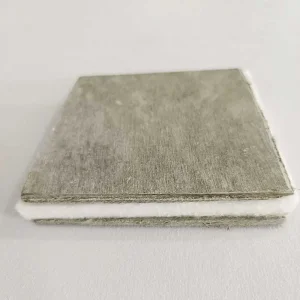
Structural composite panels that integrate sound barrier technology and superior thermal protection.
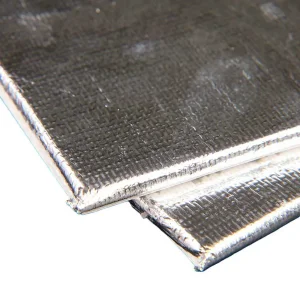
Integrates a vapor barrier layer, preventing moisture ingress and heat radiation in humid environments.
Ultra-porous raw material suitable for compounding polymer matrices and high-efficiency fluid filtration.
Navigating the Future of Nanomaterials and Thermal Engineering in the Caribbean Region
As the international community converges on rigid decarbonization pathways, building codes and maritime compliance regulations are tightening globally. Over the next decade, developers in Antigua and Barbuda will face increased regulatory pressure to implement energy efficiency designs. Our technological roadmap focuses on addressing these requirements through continuous innovation in nanomaterial science.
2025–2027: Development of Bio-Aerogels: Henan Jutao is currently piloting bio-based raw matrices derived from agricultural and industrial waste silicates. These bio-aerogels retain standard nanoporous characteristics while significantly reducing the carbon footprint of the production phase, aligning with local sustainability goals.
2028–2030: Smart Building Envelopes: We are exploring the integration of phase-change materials (PCM) with silica aerogel structures. This composite design dynamically absorbs daylight solar radiation and releases energy during cool night cycles, minimizing reliance on mechanical HVAC systems.
2031–2035: Marine Smart Insulation Panels: Integrating digital sensor tags into custom panels allows shipyards and maintenance technicians to monitor structural integrity and temperature changes remotely via IoT networks, facilitating predictive maintenance for critical marine pipelines.
Ensuring Regulatory Alignment with Caribbean and Global Safety Norms
Deploying advanced insulation solutions in Antigua and Barbuda requires strict alignment with global performance standards and local environmental priorities. Our product line is designed to meet or exceed these requirements:
In addition to strict code compliance, selecting high-efficiency aerogel materials supports carbon reduction goals in island ecosystems. Our products are formulated without volatile organic compounds (VOCs) or ozone-depleting substances, making them suitable for LEED, BREEAM, and Estidama certifications in sustainable resort developments.
Expert insights on specifying, purchasing, and applying aerogel solutions in Caribbean environments.
Get in touch with Henan Jutao's engineering and sales specialists today for custom thermodynamic modeling, product certifications, and factory-direct pricing.
 JUTAO NEW MATERIAL