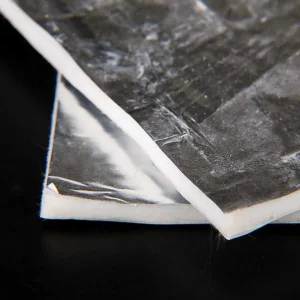
Engineered for high-performing systems across Equatorial Guinea’s energy infrastructure and thermal shielding networks.
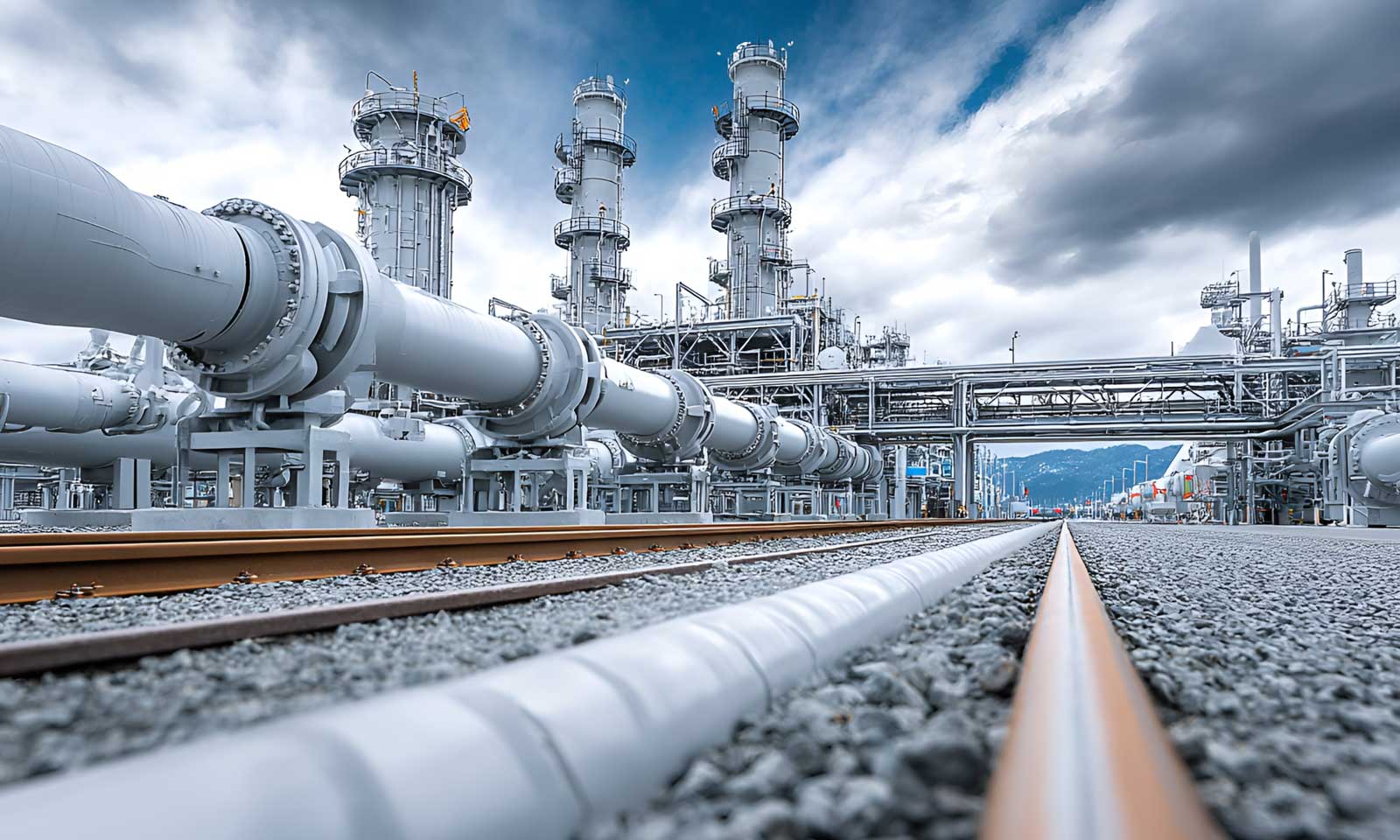
Equatorial Guinea’s industrial landscape is uniquely defined by its geographical position, high ambient humidity, and its critical role as a Central African energy hub. Key infrastructure assets—spanning the Bioko Island LNG hubs, the Punta Europa refinery complex, and offshore platforms in the Zafiro and Alen fields—sustain persistent, extreme thermodynamic cycles in highly saline and tropical marine environments. In these environments, traditional insulation assets like fiberglass, mineral rockwool, and polyurethane foams display systemic shortcomings. Over time, these traditional materials absorb atmospheric water, which deteriorates structural properties and triggers Corrosion Under Insulation (CUI), a phenomenon costing energy operators billions in unplanned downtime.
Silica and carbon aerogels emerge as the technological answer to these issues. Consisting of over 95% air suspended inside an engineered nanotube framework, these materials exhibit thermal conductivities as low as < 0.018 W/m·K at room temperature. This low thermal conductivity minimizes thickness requirements, optimizes workspace density, and establishes an impenetrable barrier against convective and conductive heat transfer. This whitepaper analyzes how high-performance aerogels from certified manufacturers like Henan Jutao New Material Co., Ltd. are driving energy efficiencies, mitigating emissions, and preventing high-risk failures across Equatorial Guinea's commercial and industrial markets.
As Equatorial Guinea implements the "National Strategy for Sustainable Development," there is a clear push to modernize downstream operations while meeting strict international carbon emission benchmarks. High-performance insulation panels and blankets act as passive structural assets that lower heat losses from high-pressure steam lines, cracker units, and boilers. This reduction directly translates to less gas consumption for process heating, helping operations run cleaner and more cost-effectively.
Furthermore, the expansion of cold chain facilities at regional ports like the Port of Bata and Port of Malabo increases the demand for high-efficiency vacuum insulation panels (VIPs) and silica aerogel powders. These materials help ensure thermal integrity for volatile pharmaceuticals and perishable agricultural imports, helping preserve goods under demanding tropical ambient conditions.
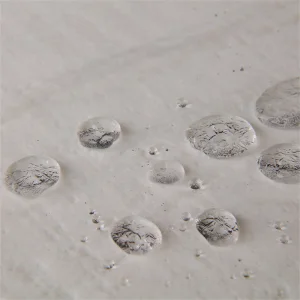
When engineering engineers choose thermal insulation, they evaluate key chemical profiles and durability standards. Silica aerogels stand out because of their hydrophobic pore structure and ability to withstand high temperatures. Under high humidity, traditional insulation absorbs water, which acts as a thermal bridge. However, Jutao's aerogel formulations maintain a water-repellent (hydrophobic) rating of > 99%, which prevents moisture from reaching the pipe surface.
A side-by-side comparison shows the advantages of Aerogel over traditional materials in Equatorial Guinea's marine and refinery environments:
| Specification Metric | Jutao Silica Aerogel Blanket | Standard Mineral Rockwool | Polyurethane Foam (PU) |
|---|---|---|---|
| Thermal Conductivity | 0.016 - 0.020 W/m·K | 0.038 - 0.044 W/m·K | 0.024 - 0.030 W/m·K |
| Thickness Required for U-Value | Minimal (10mm - 20mm) | High (50mm - 100mm) | Moderate (30mm - 50mm) |
| Hydrophobicity & Vapor Resistance | >99% Hydrophobic / Highly Breathable | Poor (Absorbs humidity) | Fair (Degrades with UV and heat) |
| CUI Prevention Mechanism | Active (keeps moisture away, lets steam escape) | None (traps salt water against steel) | Traps condensation |
Under absolute temperatures of LNG storage systems (-162°C), our cryogenic insulation blankets prevent Boil-Off Gas (BOG) buildup. They minimize outer wall condensation inside terminals on Bioko Island, providing stable thermal barrier safety.
Designed for operations up to 650°C. With high thermal resistance in a thin profile, aerogel blankets prevent thermal shock, lower surface skin temperatures, and protect refinery personnel from accidental burns.
In tropical coastal regions like Bata, aerogel wall strips and composite board backing reduce solar heat gain through building walls. This improves building efficiency and lowers air conditioning energy consumption.
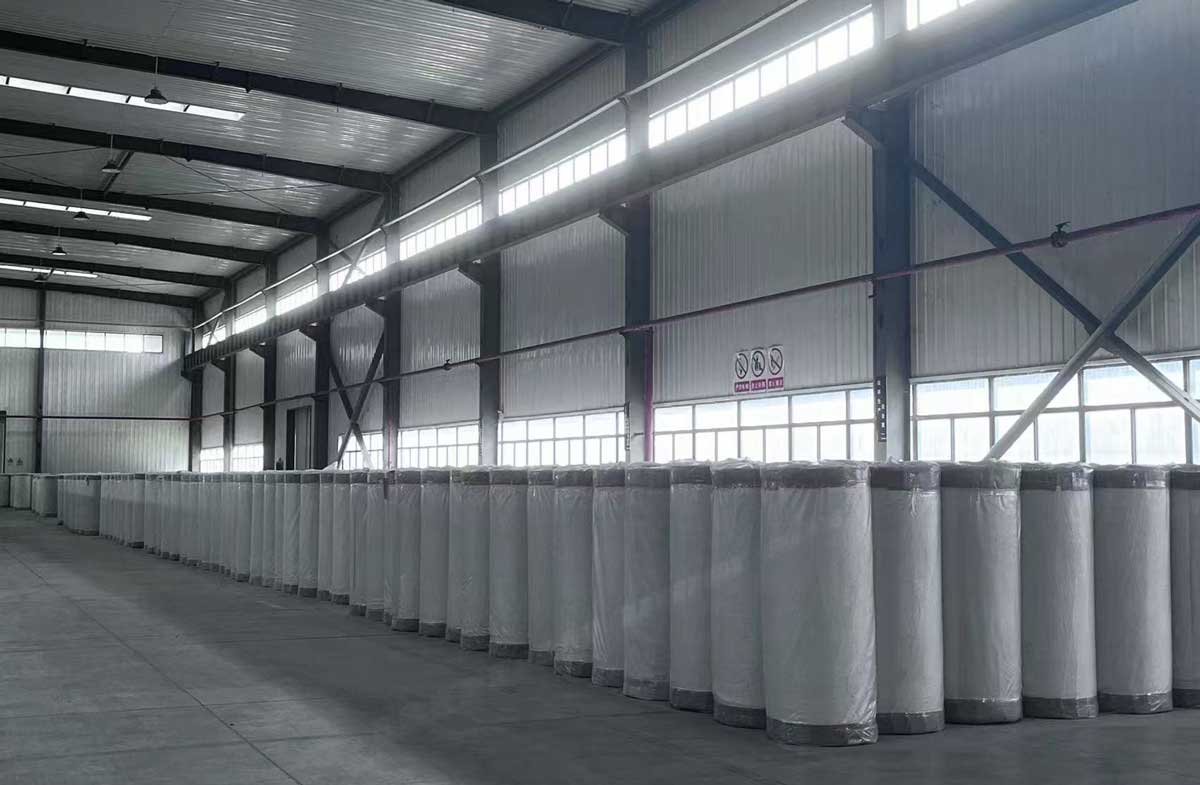
As a professional thermal insulation manufacturer, Henan Jutao New Material Co., Ltd. runs a modern factory using advanced supercritical CO2 extraction processes. This high-precision processing ensures consistent pore structures in our aerogel and vacuum insulation panels, guaranteeing reliable performance.
With over 10 years of R&D and export experience, Jutao supports global supply chains with responsive manufacturing capabilities. Our production facility is equipped to handle bulk material demands for major infrastructure projects, providing consistent product quality and reliable shipping to ports globally, including Malabo and Bata.
Speak with our applications engineers to get calculated thermal models, detailed datasheets, or a competitive quote tailored for Equatorial Guinea industrial operations.
Send Inquiry NowAnswering common technical questions from mechanical engineers, procurement professionals, and energy consultants.
Traditional materials absorb moisture, trapping corrosive saltwater next to hot steel surfaces. Silica aerogel blankets are highly hydrophobic (>99%), repelling liquid water while remaining vapor-permeable. This setup allows steel pipes to dry quickly if moisture penetrates, helping prevent severe CUI.
While initial material costs are lower for fiberglass, aerogel's superior insulation performance reduces required thickness. This saves space, speeds up installation, and lowers long-term maintenance costs. Additionally, aerogel's durability helps avoid frequent replacement cycles in humid, tropical marine environments.
Supercritical CO2 drying removes solvents from the gel without causing structural shrinkage. This preserves the uniform, ultra-fine nanoporous network of the silica framework, ensuring the material retains its low thermal conductivity of <0.018 W/m·K.
We package our aerogel products in protective, moisture-resistant shipping crates to prevent damage during sea transport. From our factory in China, transit to the main ports of Equatorial Guinea (Malabo/Bata) typically takes 35 to 45 days, supported by complete customs documentation.
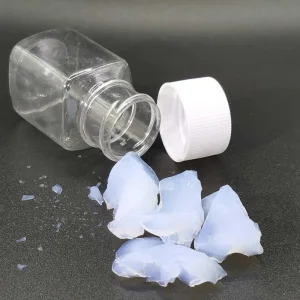
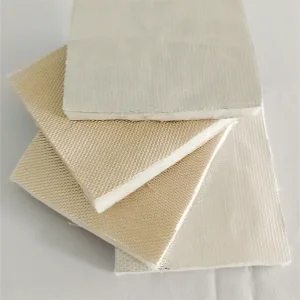
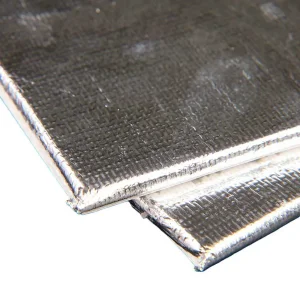
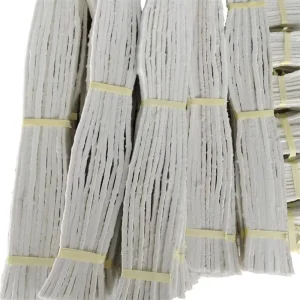
Explore our complete range of high-performance products, including aerogel blankets, specialty panels, and insulating granules.
 JUTAO NEW MATERIAL