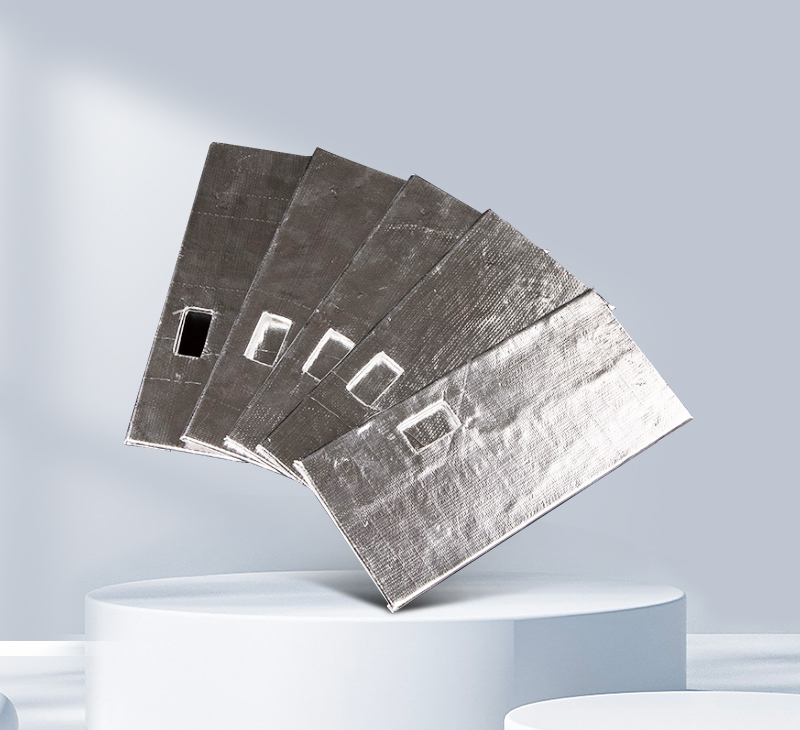
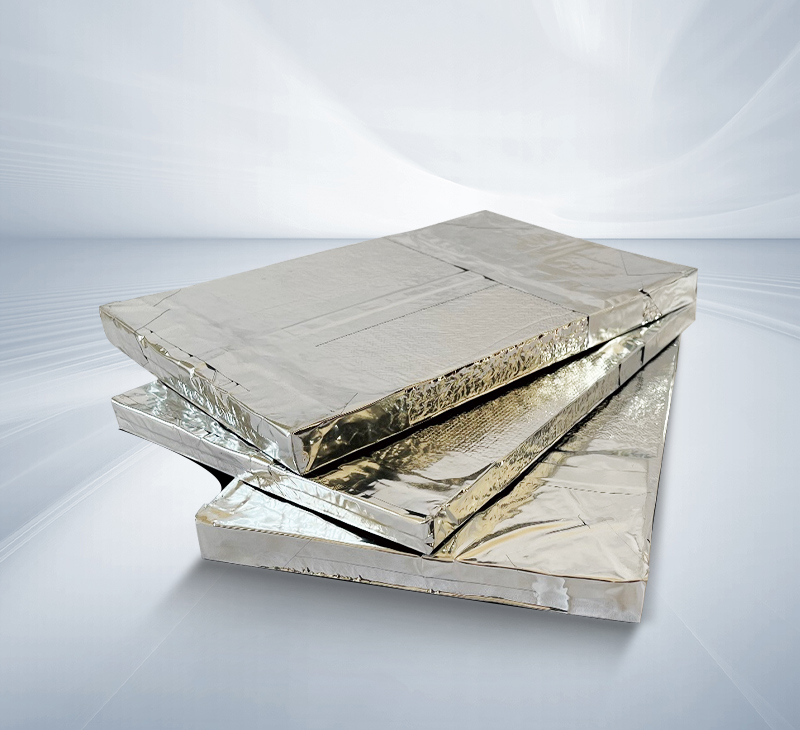
Engineered to mitigate extreme tropical humidity and saline atmospheres in São Tomé and Príncipe
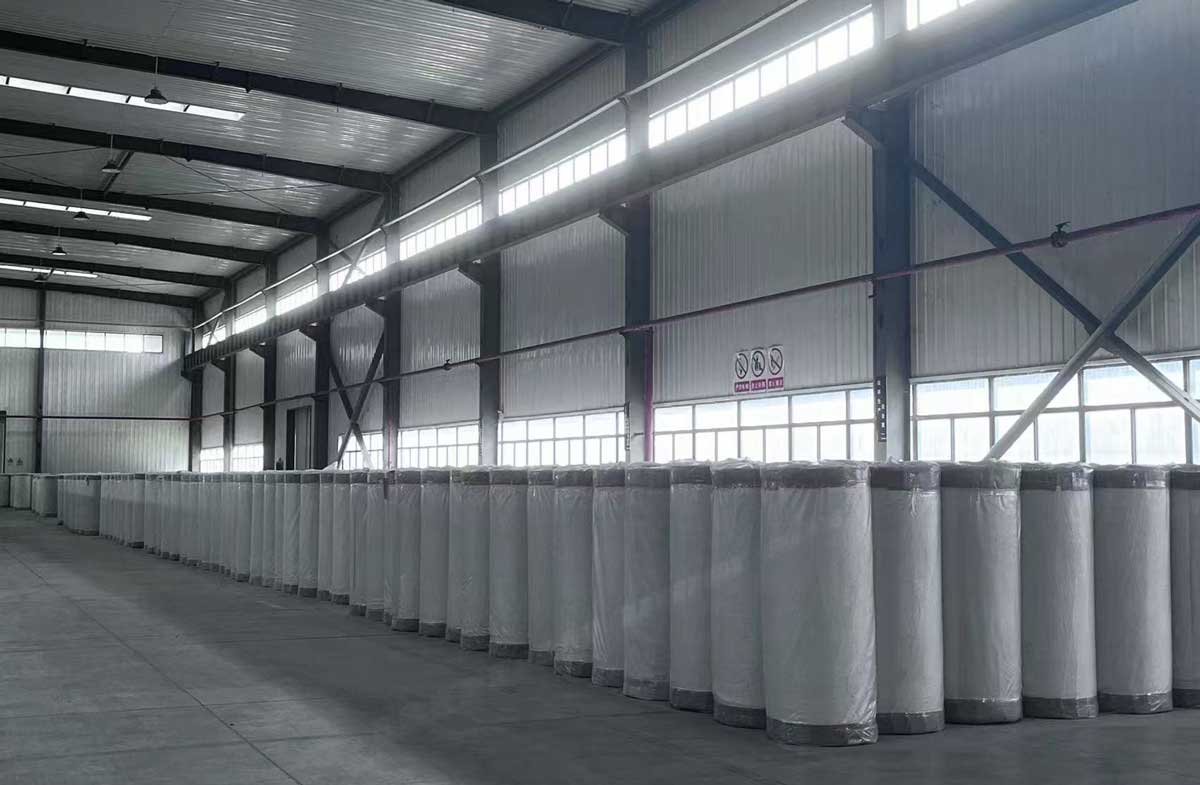
Henan Jutao New Material Co., Ltd. has dedicated 10 years to engineering high-performance thermal insulation solutions focused on Sustainability. As a leading manufacturer and exporter of silica Aerogel materials and Vacuum Insulation Panels (VIP), we resolve complex thermal energy and envelope design challenges for resource efficiency, electrification, and sustainability across the globe.
Rather than simply supplying structural units, we serve as a knowledge-based integration provider. Backed by thousands of scientists, engineers, and application specialists, alongside state-of-the-art material laboratories, we deliver customized composite insulation solutions tailored to extreme local environmental criteria.
"Provide Green and High-quality Materials That Can Improve Human Living Environment and Life Safety."
Analyzing physical demands on structural materials in high-salinity, high-humidity equatorial zones
São Tomé and Príncipe, situated in the Gulf of Guinea near the equator, experiences a marine tropical climate defined by high ambient temperatures, high relative humidity (averaging over 80% year-round), and constant exposure to corrosive, salt-laden sea spray. Traditional construction and insulation systems, such as expanded polystyrene (EPS) or standard polyurethane foam, fail rapidly under these conditions due to moisture ingress, thermal bridging degradation, and mold growth.
As the country develops its blue economy, maritime logistics, and cold chain distribution hubs, the demand for high-performance structural enclosures is growing. Cold-storage systems, processing plants, and offshore operations require structural insulation materials that exhibit negligible water absorption, high thermal resistance (R-value), and structural stability against heavy winds.
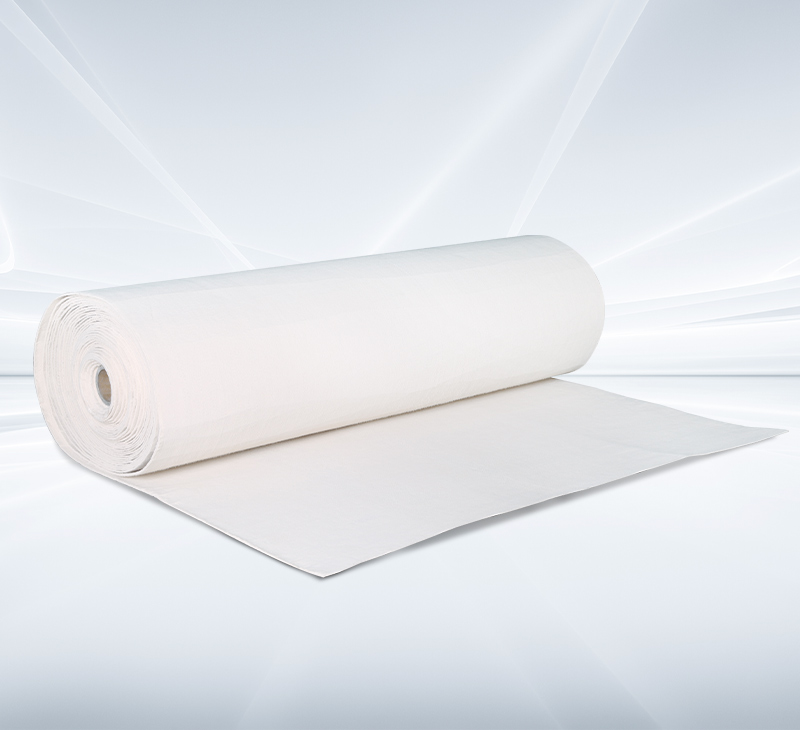
Jutao’s high-performance Composite Panels and Silica Aerogel blankets deliver the lowest possible thermal conductivity, ensuring minimal mechanical cooling energy consumption. By integrating these systems, commercial buildings, maritime container units, and refrigeration plants operating in São Tomé can reduce energy demand by up to 40%, directly lowering operating expenses and diesel fuel usage.
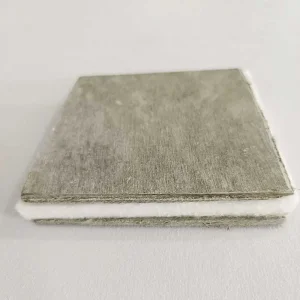
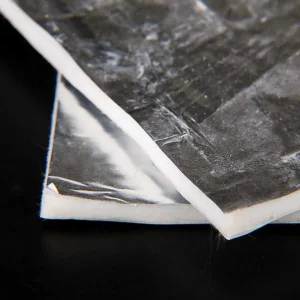
Polyester and epoxy composite skins paired with moisture-resistant aerogel matrices eliminate structural degradation from salt spray and humidity in coastal environments.
Vacuum insulation cores reduce wall thickness in urban developments and shipping containers, maximizing usable volume while maintaining high thermal performance.
Our non-combustible silica aerogel matrices remain stable past 1000°C, providing structural integrity and containment during fire emergencies.
Our structural capabilities mapped to modern industrial demands
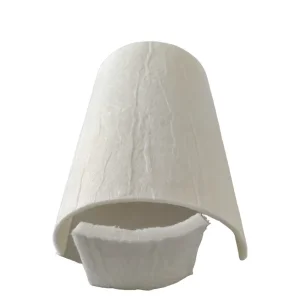
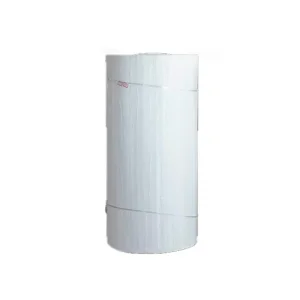
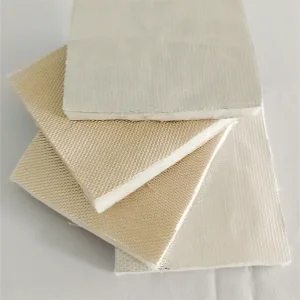
Aerogel insulation, a lightweight solid material, is used in building envelopes for ultra-thin wall, roof, and window insulation. It is applied across pipelines, storage tanks, and industrial equipment to lower energy consumption and improve safety. In aerospace and automotive assemblies, it provides thermal protection against extreme temperatures and helps prevent thermal runaway in lithium-ion batteries.

Vacuum Insulation Panels (VIPs) consist of a porous core material enclosed in a gas-tight membrane that is evacuated of air. Designed for architectural facades, walls, and cold-chain shipping structures, VIPs achieve high thermal performance with minimal thickness. They are also integrated into commercial refrigeration units to improve overall energy efficiency.

Aerogel thermal barriers are lightweight, fire-resistant elements designed to prevent thermal runaway propagation in battery packs. The nanoporous structure provides thermal resistance in a thin profile, leaving more volume for energy storage cells. These barriers insulate individual cells, isolate internal components, and line enclosures for external protection.

VISION: Trust, Respect, Faith, High Standards
Custom dimensions, laminations, and core adjustments based on regional wind loads and temperatures.
24/7 technical advisory support line for international developers and site procurement leads.
Optimized transport networks to guarantee product protection during transit across maritime shipping routes.
Scientific benchmarks proving reliability under critical operating environments
Developing next-generation nanostructured thermal insulation systems
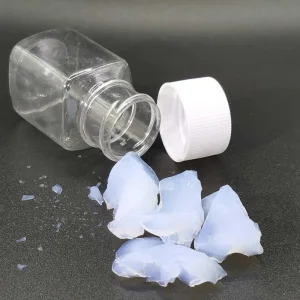
As industrial energy codes tighten globally, traditional foam-based insulation is limited by the thermal conductivity of the gases trapped within their cells. Jutao is transitioning toward advanced silica-aerogel matrices that utilize the Knudsen effect. By structuring pore networks smaller than the mean free path of air molecules (approximately 70 nanometers), convective and gas-conductive heat transfer is mitigated.
To survive harsh environments like São Tomé, future composite panels will feature fluoropolymer-laminated protective skins. This skin shielding prevents moisture intrusion, resists UV degradation, and blocks salt ions from reaching the structural core. Our development roadmap focuses on bio-derived resins to lower carbon footprints while maintaining resistance to mechanical impact and chemical exposure.
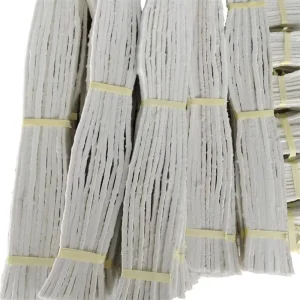
In line with international green building standards, our production processes prioritize circular economy metrics. We are refining techniques to recycle silica aerogel blankets and vacuum core fillers at the end of their service lives. This process reduces waste, helps projects qualify for environmental certifications (such as LEED or BREEAM), and supports local sustainable development goals.
Navigating standards and international shipping logistics to the Gulf of Guinea
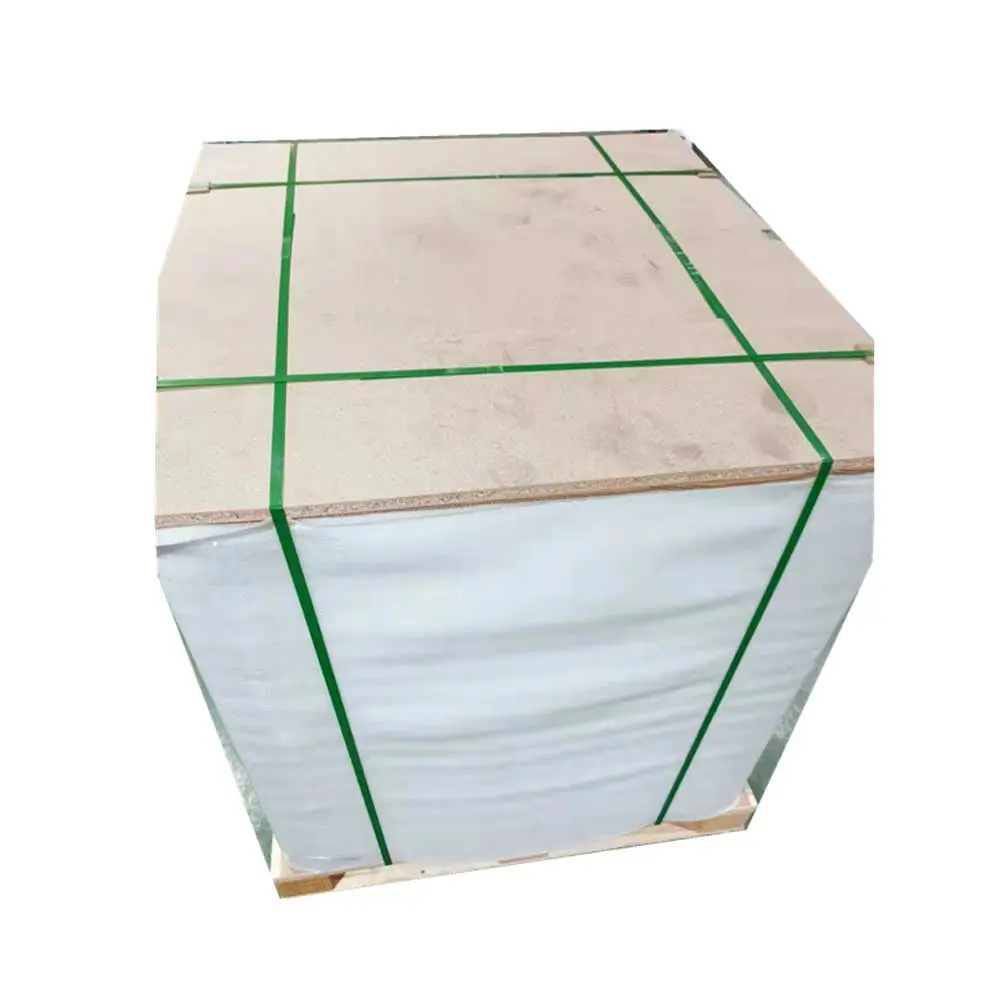
Shipping advanced materials to island economies like São Tomé and Príncipe requires careful logistical planning and compliance management. Because Vacuum Insulation Panels (VIPs) operate under internal vacuum pressures, pressure variations during sea transit must be managed. Jutao ensures that all VIP panels are packed in protective crate structures to prevent puncture risks during handling at ports like São Tomé.
Our manufacturing processes comply with major international testing and quality protocols, including ASTM C177 for thermal transmission, ISO 9001 quality management, CE marking for European commercial integration, and RoHS standards. For local infrastructure projects in the Gulf of Guinea, we provide digital documentation, remote installation guidance, and performance certificates to help engineering teams streamline customs clearance and quality verification.
Essential technical inquiries regarding composite applications in humid and marine zones
Advanced insulation and material systems engineered for sustainable industrial expansion
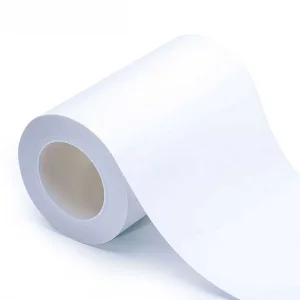
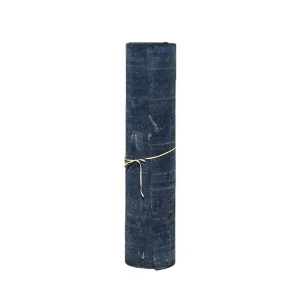
Certified material groups engineered to reduce environmental footprint
Our green, high-performance materials are designed to reduce carbon footprints, improve energy efficiency, and protect critical systems in challenging environments. Contact our engineering team today to review your project specifications.
Send Inquiry Now JUTAO NEW MATERIAL