As the construction and industrial sectors in Dakar, Diamniadio, and beyond undergo unprecedented growth, selecting high-efficiency composite panels is critical for combating extreme heat, humidity, and rising energy costs.
The construction landscape in West Africa, particularly within the Republic of Senegal, is shifting rapidly due to accelerated urbanization and large-scale industrial projects under the Plan Sénégal Émergent (PSE). Structures erected in the Dakar metropolitan area, the special economic zone (ZFESD) of Diamniadio, and the ports of Thiès require modern materials that can withstand sub-Saharan climatic elements—principally high solar gain, persistent ambient humidity, and saline coastal atmospheres.
Traditional cladding and standard insulation systems (such as rockwool, polyurethane foam, or simple polystyrene cores) are increasingly falling short. These classic systems degrade over time under high-heat cycles, resulting in significant thermal bridging, internal moisture condensation, and soaring cooling costs. Next-generation Composite Panels utilizing Aerogel and Vacuum Insulation Panel (VIP) cores represent a major technological leap, enabling architects, engineers, and industrial operators to drastically improve building energy metrics while reducing wall thicknesses.
Operating in Senegal presents specific design requirements:
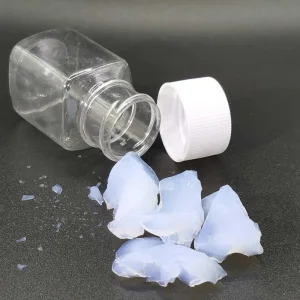
At a global level, modern architecture is undergoing a decarbonization phase driven by stricter energy building regulations. Advanced composite structural systems are no longer exclusive to space programs or niche cryogenic laboratories. By using silica aerogels—porous structures where liquid is replaced by air, leaving over 95% solid air voids—thermal conductivity values can be pushed below 0.018 W/m.K.
Furthermore, Vacuum Insulation Panels (VIP) deliver performance levels as low as 0.005 W/m.K. When integrated into composite structures, these cores provide the same insulation value as traditional materials up to eight times thicker, offering excellent performance for critical projects throughout West Africa.
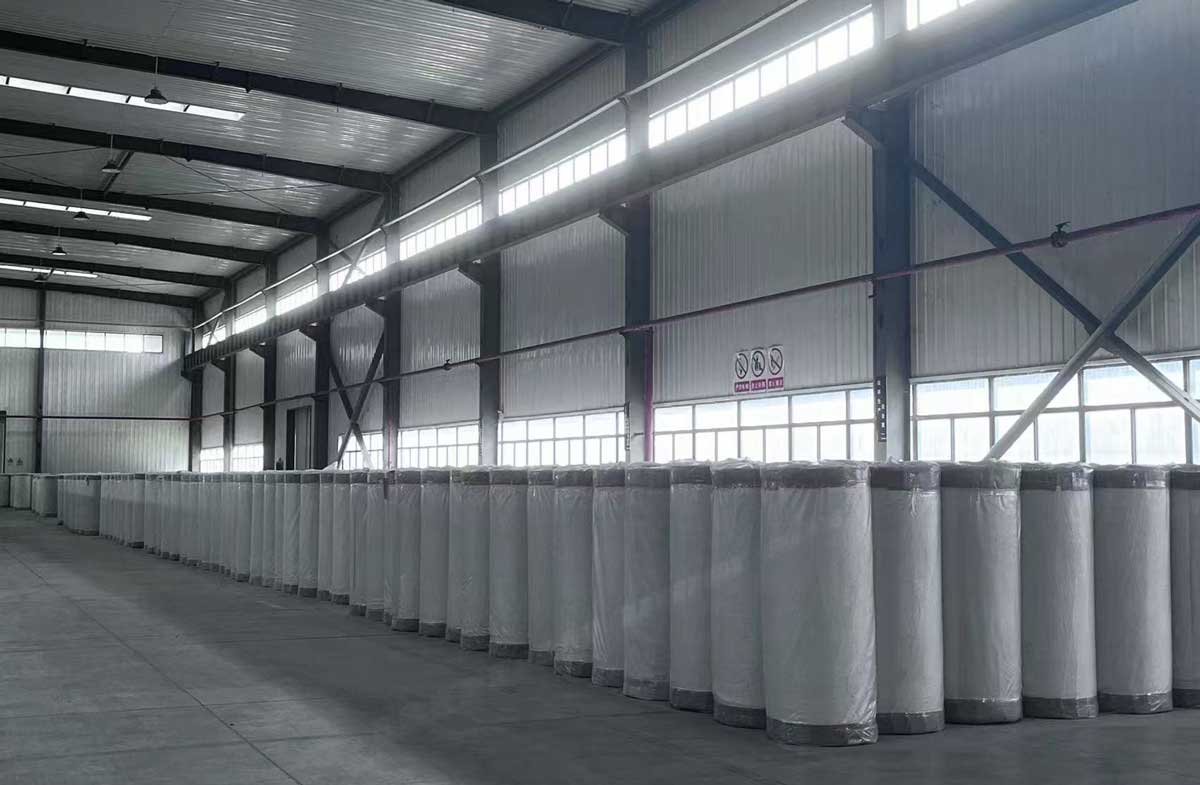
Henan Jutao New Material Co., Ltd. has been working for 10 years on thermal insulation solutions in Sustainability. We are a leading manufacturer and exporter of Aerogel material and Vacuum Insulation Panels, helping solve challenges in resource efficiency, electrification, and sustainability. We are fully equipped to offer companies of all sizes unparalleled product support and customer service.
We don’t just sell products. Instead, we are a knowledge-based provider backed by thousands of scientists, engineers, equipment experts, application professionals, and state-of-the-art laboratories dedicated to delivering tailored solutions for our customers worldwide.
Our Mission: Provide green and high-quality materials that can improve the human living environment and safety.
From initial design consultations to site execution, we offer tailored support for commercial and industrial projects across Dakar, Saint-Louis, and Ziguinchor.
Custom dimensions, structural outer layer laminations, and tailored core configurations designed for specific humidity and mechanical load requirements.
Our technical sales team provides project analysis, thermal calculations, and quotations within 24 hours of receiving parameters.
Strategic logistics networks offering container shipping directly to the Port of Dakar, complete with customs-ready documentation.
A closer look at the advanced insulation technologies driving current sustainable building projects.
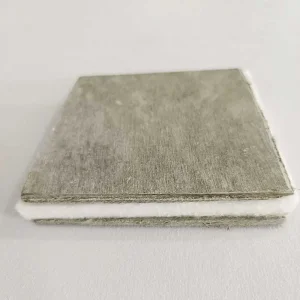
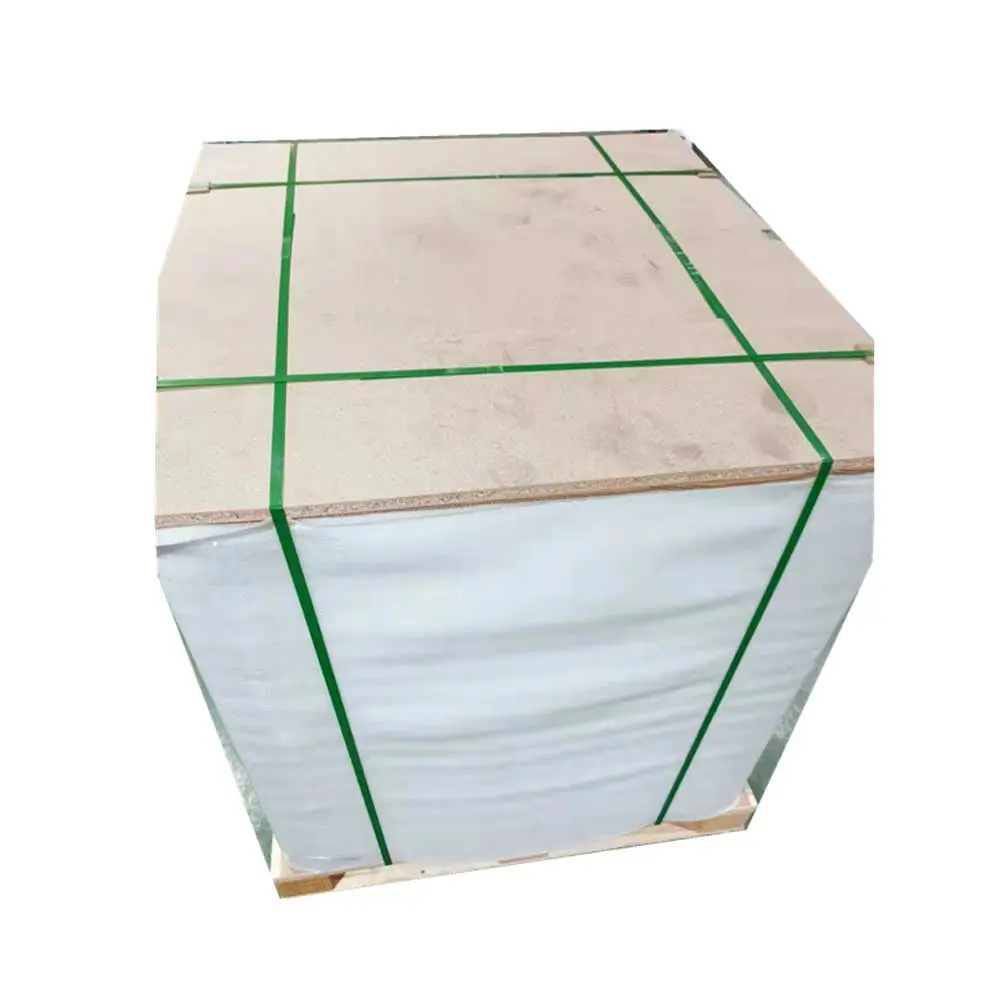
Our Vacuum Insulation Panel (VIP) is a high-efficiency thermal insulation material composed of a porous core and a gas-tight membrane to create a vacuum. Designed for walls, floors, roofs, and facades, it provides excellent insulation with significantly reduced thickness. These panels are also used in high-efficiency refrigeration units and cold chain logistics systems to reduce energy consumption in warm environments.


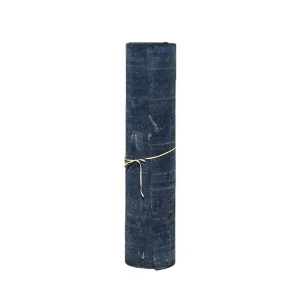
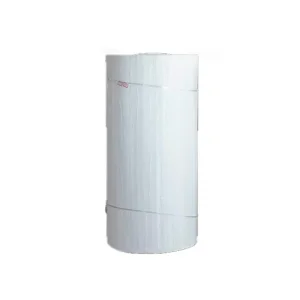
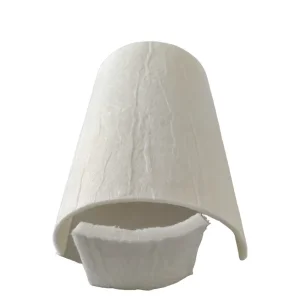
Known as one of the lightest solid materials, our Aerogel insulation is widely applied in construction for ultra-thin wall, roof, and window insulation. In industrial sectors, it protects pipelines, tanks, and equipment, improving safety and saving energy. It is also used in aerospace, automotive, and cryogenic applications to insulate against extreme temperatures. Additionally, it helps prevent thermal runaway in EV batteries and protects electronics.
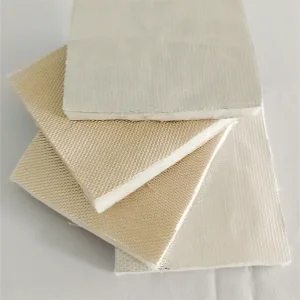
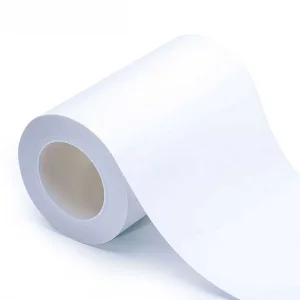
Our Aerogel Thermal Barriers are ultra-lightweight, highly effective fire-resistant barriers designed to prevent thermal runaway in EV batteries and improve overall pack safety. The nanoporous structure delivers high thermal resistance in a thin, compact form factor, freeing up valuable space within battery packs. Key applications include insulating individual cells, acting as barriers between components, and lining battery enclosures.

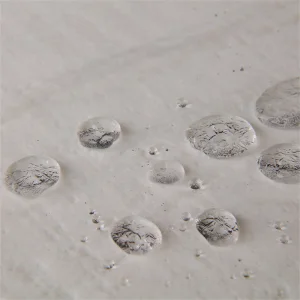
Our materials undergo testing to ensure performance under extreme conditions.
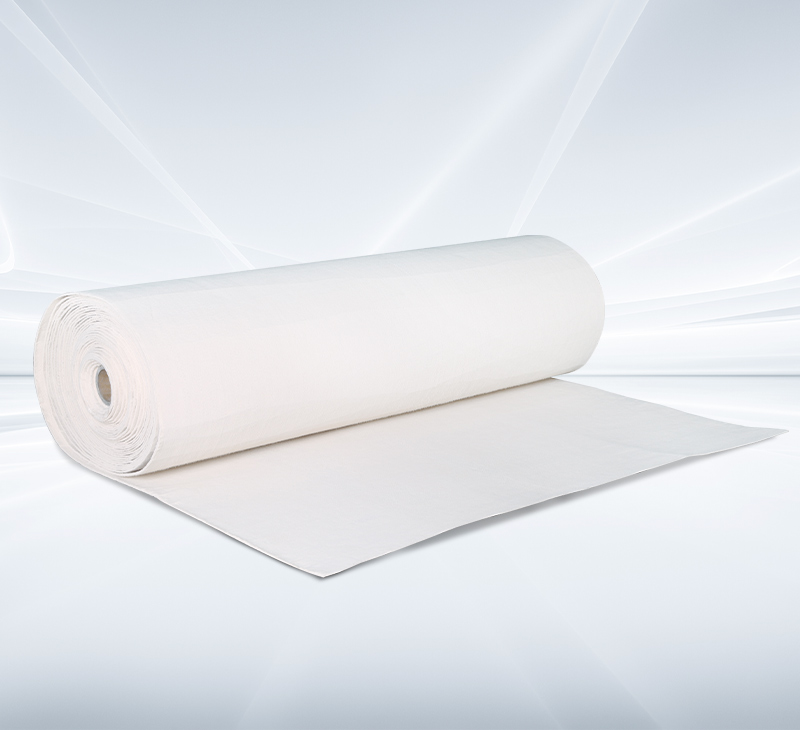
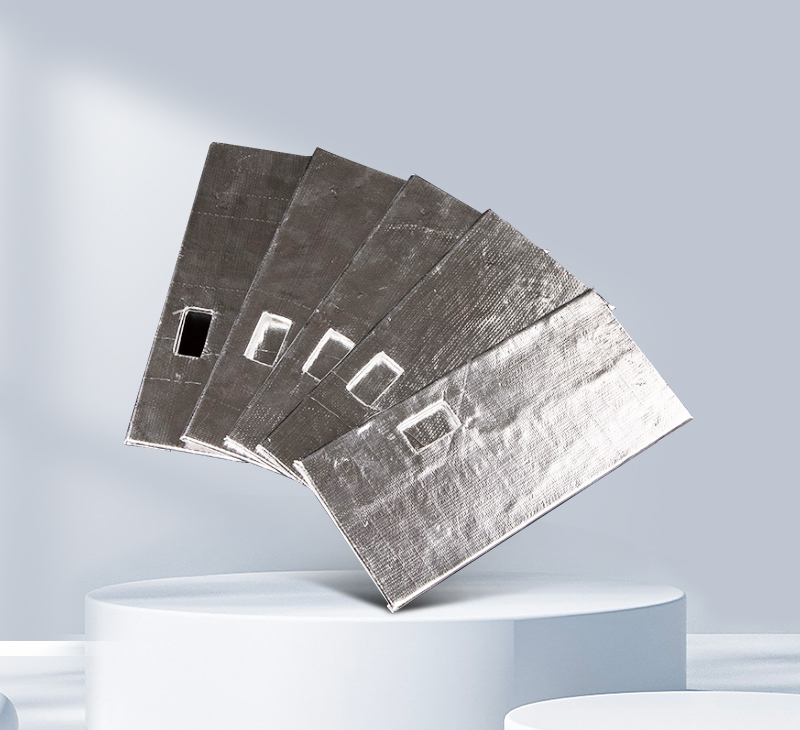
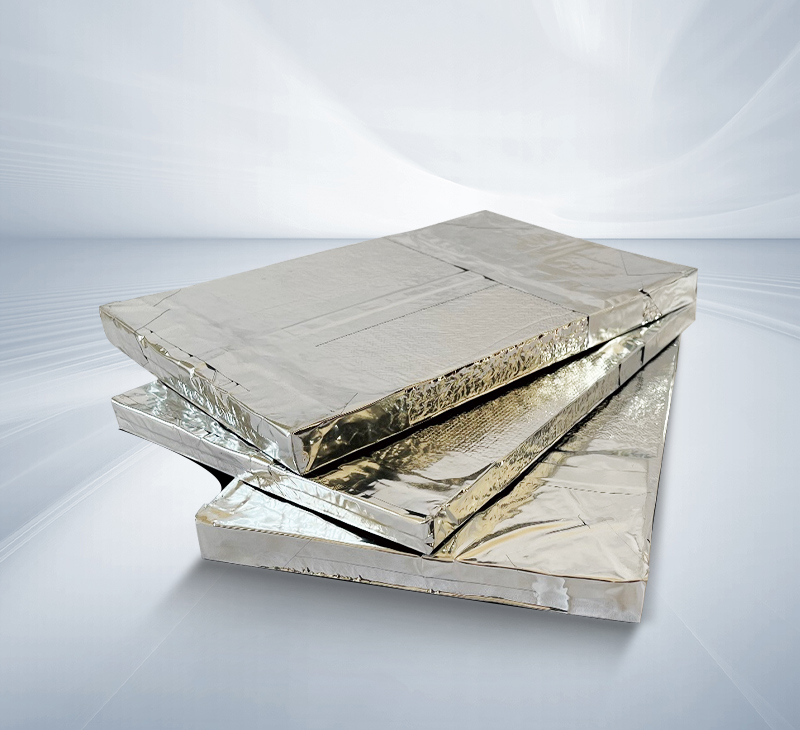
Explore our complete catalog of aerogel blankets, customized sandwich panels, and vacuum systems designed to meet industrial specifications.
Understanding where these technologies fit into local Senegalese infrastructure projects helps target insulation specifications effectively:
A significant challenge in Senegal's agricultural sector is post-harvest loss due to temperature fluctuations. Standard refrigerated shipping containers and warehouse facilities struggle to maintain consistent interior temperatures under intense solar radiation. By integrating VIP panels and JTA/JTG series composite panels, cold storage providers can achieve exceptional thermal insulation with minimal structural weight. This helps preserve products such as mangoes, fish, and vegetables, reducing energy costs in the process.
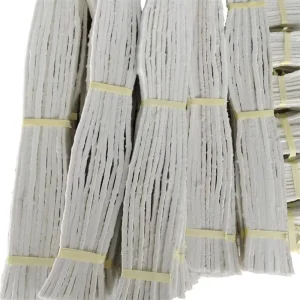
The Diamniadio urban plan emphasizes sustainability, requiring materials that support energy-efficient cooling. Incorporating JTStrip Aerogel insulation strips into window framing systems minimizes thermal bridging at joint points, keeping cooled indoor air isolated from external ambient temperatures.
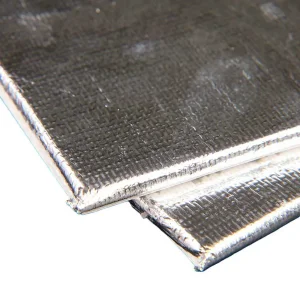
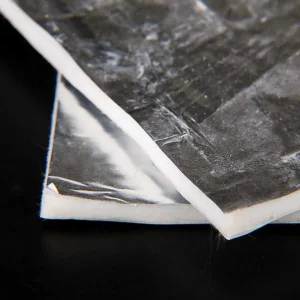
Our custom aluminum foil and glass-fiber composite panels protect steam lines, storage tanks, and boilers from thermal degradation while resisting salt-fog corrosion common to Dakar's coastal industrial zones. The outer barrier protects the internal structure, preventing moisture infiltration and ensuring long-term insulation performance.
Answers to common questions regarding logistics, customization, and thermal performance for projects in Senegal.
Standard fabrication takes between 15 to 25 days depending on order size and custom parameters. Shipping from our manufacturing hubs to Dakar Port takes approximately 30 to 40 days, complete with export packing, maritime insurance, and customs documentation.
Unlike standard open-cell materials that absorb ambient moisture and lose insulation performance, our silica aerogel composites and vacuum panels feature hydrophobicity ratings above 99%. They do not absorb moisture, preventing mold growth and protecting the panel's design lifespan.
Yes. Our core aerogel and mineral matrices comply with non-combustibility standards, carrying Class A ratings. This makes them suitable for high-density commercial complexes, battery storage rooms, and industrial processing units where strict fire containment is required.
Yes. We offer OEM/ODM customization. You can specify exact thicknesses, dimensions, and facing materials (e.g., anodized aluminum, galvanized steel, or fiber-reinforced plastics) to fit your project's architectural framing requirements.
Partner with a dedicated manufacturer with a decade of expertise in advanced aerogels and vacuum insulation. Contact us today for project estimates, technical drawings, and custom sample kits.
Send Inquiry Now JUTAO NEW MATERIAL